
Sauces & Condiments
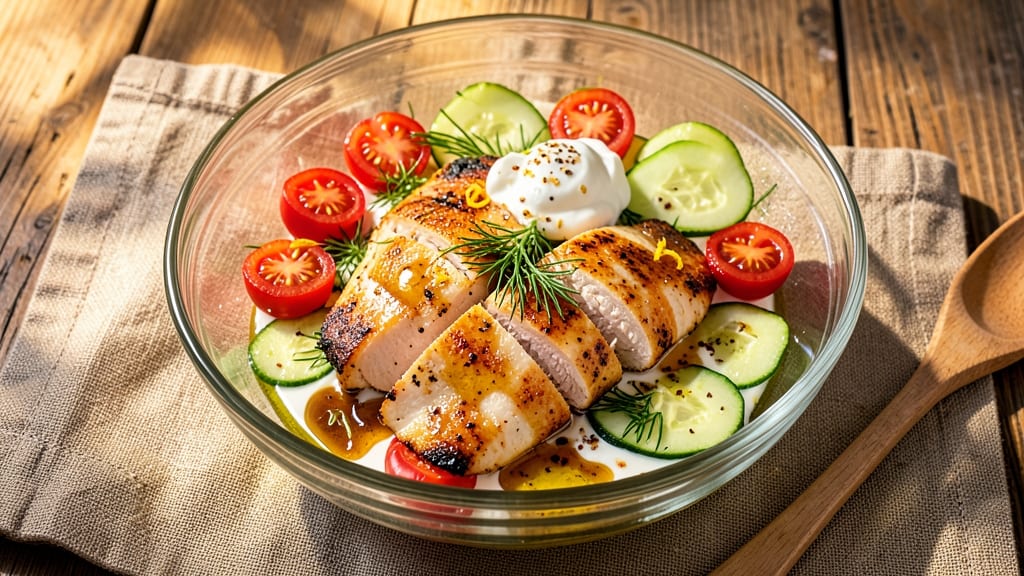
This chicken salad marinade recipe transforms ordinary chicken into tender, herb-infused bites that stay juicy even after cooking. The secret lies in a bright vinaigrette blend of citrus, olive oil, and fresh herbs that works its magic over 2–12 hours of marinating—ideal for meal prep or last-minute dinners.
Unlike heavy dressings, this marinade enhances flavor without weighing down the protein, ensuring every slice remains light and flavorful.
The marinade balances acidity with richness, using lemon juice and Dijon mustard to tenderize while olive oil and yogurt add a velvety texture. Fresh dill, parsley, and garlic infuse layers of aroma, while a touch of honey rounds out the sharpness.
It’s designed to be versatile—pair it with grilled, baked, or poached chicken for salads, wraps, or sandwiches where bold flavor matters most.
What sets this marinade apart is its dual purpose: it not only seasons but also preserves juiciness during cooking. The acidity breaks down proteins, while the fat-based ingredients lock in moisture. Store leftovers in the fridge for up to 5 days, making it perfect for batch cooking.
Whether you’re prepping for the week or adding flair to a quick lunch, this marinade delivers restaurant-quality results at home.
For best results, marinate chicken for at least 2 hours (overnight for maximum tenderness). Use it as a base for salads, skewers, or even as a dipping sauce—its bright, herby profile elevates any dish.
The recipe scales easily, so double or halve it to fit your needs. Ready to elevate your chicken dishes? Let’s get started.
Ingredients for chicken marinade for salad
Bright citrus, velvety yogurt, and fresh herbs blend into this restaurant-quality marinade.
| Ingredient | Amount | Notes |
|---|---|---|
| Extra-Virgin Olive Oil 🫒 | ½ cup | High-quality, fruity variety |
| Fresh Lemon Juice 🍋 | ⅓ cup | Freshly squeezed, seeds strained |
| Plain Greek Yogurt 🥛 | ¼ cup | Full-fat for creaminess |
| Dijon Mustard 🍯 | 1 tbsp | Mild or strong variety |
| Raw Honey 🍯 | 1 tbsp | Light floral honey preferred |
| Fresh Dill 🌿 | ¼ cup | Chopped, stems removed |
| Fresh Parsley 🌿 | 0.15 cup | Chopped, flat-leaf preferred |
| Garlic Cloves 🧄 | 3 cloves | Minced or finely grated |
| Salt 🧂 | 1 ½ tsp | Diamond Crystal kosher salt |
| Ground Black Pepper 🌶️ | ½ tsp | Freshly ground preferred |
The olive oil and yogurt form the base, so quality matters here. For the oil, California avocado or Italian extra-virgin brands like Colavita or Bertolli add depth. The Greek yogurt should be full-fat—Fage or Siggi's work perfectly and keep the marinade rich without overpowering. Fresh herbs are non-negotiable for that bright, garden-fresh flavor. Whole Foods or local farmers markets often have the freshest dill and parsley, but grocery store bunches work if you rinse and dry them well right away. The garlic should smell pungent, not musty—buy fresh and use within a week.
No fresh dill? Tarragon or basil at half the amount works in a pinch, though the flavor will differ slightly. Running low on lemon juice? Lime juice or apple cider vinegar can substitute, but the honey will need extra balancing. The Dijon mustard adds tang—skip it if you prefer sweetness, but it helps tenderize the chicken. For a sweeter touch, agave or maple syrup can replace honey. If you're making this ahead, store the dry ingredients (salt, pepper, mustard) separately until ready to mix—keeps everything fresher longer.
This marinade stays potent for 5 days in an airtight container in the fridge. For longer storage, freeze in ice cube trays—thaw overnight in the fridge before using. The yogurt will separate slightly when frozen, but just stir before marinating. Double the batch if prepping for the week—it's perfect for meal prep. Once mixed, keep the marinade cold until ready to use; never reuse it after contact with raw chicken to avoid cross-contamination. The flavors actually improve after 24 hours of marinating, so plan ahead for maximum impact.
Why You'll Love This Recipe
- Five-Ingredient Magic: I swear by this combo—just stir, pour, and let the chicken soak. No chopping, no fuss, and honestly? It’s the kind of marinade that makes me feel like I actually cooked something special.
- Tangy-Creamy Balance: That Greek yogurt keeps it rich while the lemon cuts through, and the honey? It’s the secret weapon that makes every bite irresistible. Between us, I’ve tried store-bought dressings—this one wins every time.
- Meal Prep MVP: Make a big batch on Sunday, toss it on grilled chicken, and boom—salad toppings for the week. My lunchbox never looked so good, and I’m not the only one who notices.
- Budget-Friendly Luxury: Olive oil and honey might sound fancy, but they stretch further than you’d think. Plus, the yogurt and mustard add depth without breaking the bank—this is gourmet that doesn’t guilt-trip me.
Step-by-step instructions for herb-infused chicken salad marinade
This marinade transforms simple chicken into tender, herb-kissed bites perfect for salads.
Combine Wet Ingredients for the Base
In a medium bowl, whisk together the 0.5 cup extra-virgin olive oil and 0.33 cup fresh lemon juice until fully emulsified. The mixture should look smooth and slightly thickened—this indicates proper emulsification. I prefer using a whisk for this step as it incorporates air, which helps create a lighter marinade texture later.
Next, add the 0.25 cup plain Greek yogurt, 1 tbsp Dijon mustard, and 1 tbsp raw honey. Whisk vigorously for 1-2 minutes until the mixture becomes creamy and homogeneous. The yogurt adds tanginess while the mustard and honey create a perfect balance of sweet and sharp flavors. If the mixture appears too thick, add 1-2 teaspoons of water to reach a pourable consistency.
Add Aromatics and Herbs
In a separate small bowl, finely mince the 3 cloves garlic and chop the 0.25 cup fresh dill and 0.15 cup fresh parsley into small pieces. I like to use the flat side of my chef's knife for the herbs to keep them finely chopped while preserving their vibrant color.
Add the minced garlic, dill, and parsley to the wet ingredient mixture. Stir well to distribute the herbs evenly. The marinade should now have a bright green hue from the herbs and a fresh, aromatic scent. Let the mixture sit for 5 minutes to allow the flavors to meld together. This resting period is crucial—it lets the garlic soften slightly and the herbs release their oils, enhancing the overall flavor profile.
Season and Adjust Consistency
Add the 1.5 tsp salt and 0.5 tsp ground black pepper to the marinade. Stir thoroughly to ensure even distribution. Taste the mixture and adjust the seasoning if needed—you might need a bit more salt or lemon juice to balance the flavors. The marinade should be tangy, slightly sweet, and herby with a subtle garlic punch.
For best results, let the marinade rest at room temperature for 15-20 minutes before using. This allows the flavors to fully develop and the ingredients to meld together harmoniously. If you're short on time, you can use it immediately, but resting ensures the most flavorful outcome.
Marinate the Chicken
Place chicken breasts or tenders in a resealable plastic bag or shallow dish. Pour the marinade over the chicken, ensuring each piece is well-coated. For even penetration, I like to gently massage the marinade into the chicken, especially if using thicker cuts. Seal the bag or cover the dish and refrigerate for at least 30 minutes, or up to 4 hours for maximum flavor infusion.
For juiciest results, remove the chicken from the marinade just before cooking. The acidity in the lemon juice and vinegar (from the mustard) begins to break down the chicken fibers after about 30 minutes, so don't marinate longer than 4 hours to prevent over-tenderizing. Pat the chicken dry with paper towels before cooking to ensure a good sear.
Pro Tips For Making Chicken Marinade For Salad
- Whisk the Yogurt First: Greek yogurt clumps like a stubborn toddler if you just dump it in. Whisk it with the Dijon mustard and honey first—this smooths everything out and keeps the marinade silky. I used to ignore this, and the final texture was grainy. Now I make it a habit.
- Use Cold Lemon Juice: Grab that lemon straight from the fridge—cold juice emulsifies better with olive oil and keeps the yogurt from curdling. Warm juice? You’ll end up with a split marinade. Trust me, this is the thing that matters most when you’re mixing it all together.
- Marinate for 30 Minutes, Not Overnight: Chicken for salad doesn’t need hours—30 minutes is perfect for tenderizing without turning the meat mushy. I learned this the hard way after a batch of chicken fell apart in my salad. The yogurt’s acidity works fast, so don’t overdo it.
- Balance the Honey Last: Taste before adding honey—this isn’t just for sweetness, it’s the glue that ties everything together. Start with 1 teaspoon, then adjust. Too much? The salad dressing will taste like dessert. Too little? You’ll wonder why it’s flat. I skip this step when I’m lazy, and the dish is noticeably better when I don’t.
Make-ahead tips for this chicken marinade for salad
Marinade Prep Ahead
Make this marinade up to 5 days in advance and store it in an airtight glass container in the fridge. The flavors actually deepen over time, so I often prepare it the night before for maximum impact.
Just give it a good stir before using—it may separate slightly due to the yogurt, but a quick whisk brings it back to perfection. 💫
Chicken Prep Timeline
For meal prep, marinate chicken pieces for 2–4 hours (no longer than 4 hours total) to avoid over-tenderizing. I like to portion the marinade into ziplock bags with pre-cut chicken—just seal, label, and refrigerate.
When ready to cook, remove the chicken from the fridge 30 minutes before cooking to equalize temperature and ensure even searing. 🌡️
Freezing for Later
Freeze unused marinade in ice cube trays for single-use portions. Once frozen, transfer cubes to a ziplock bag and store for up to 3 months. Thaw overnight in the fridge—never microwave it directly, as this can break down the yogurt’s texture.
I use these frozen cubes to quickly marinate chicken when I’m short on time. 🧊
Batch Cooking Tips
Double or triple the marinade if prepping for a week—it’s perfect for meal prep salads, wraps, or skewers. Store cooked chicken in the marinade’s leftover liquid (strained and reserved) for an extra flavor boost.
I portion the chicken into glass containers with the marinade’s remaining liquid to keep it moist for up to 4 days. 🍽️
Leftovers Strategy
Never reuse marinade that’s touched raw chicken—discard it after contact. For extra flavor, use the leftover marinade as a dipping sauce or salad dressing. I often blend it with a splash of water to thin it out for a quick vinaigrette.
The yogurt base makes it creamy enough to drizzle over grilled veggies too! 💡
Cooking Day Plan
On the day you cook, remove the chicken and marinade from the fridge 1 hour before cooking to bring them to room temperature. This ensures even cooking and prevents steaming. I like to pat the chicken dry with paper towels just before cooking to help it sear beautifully.
Reserve 2 tbsp of the marinade to brush on the chicken during the last 2 minutes of cooking for extra flavor. ✨
Nutrition facts
Frequently asked questions
Can I use this marinade for chicken other than breasts or tenders?
This marinade works beautifully on chicken thighs, drumsticks, or even ground chicken. For bone-in pieces like thighs, marinate for 2-3 hours to ensure flavor penetration. With ground chicken, mix the marinade directly into the meat for a flavorful filling—great for stuffed peppers or meatballs. Just avoid marinating skinless breasts longer than 4 hours to prevent over-tenderizing.
What if I don’t have fresh dill or parsley?
No problem! Swap dill for tarragon or basil (use half the amount) and replace parsley with cilantro or chives. For a stronger herb flavor, add 1 tsp dried dill or parsley (reduce liquid by 1 tbsp to maintain balance). The yogurt base will still keep the marinade creamy, so focus on matching the herb family—aromatic (like parsley) or anise-like (like tarragon) work best.
Why does my marinade look separated after refrigerating?
The yogurt and olive oil naturally separate when chilled—this is normal! Simply whisk vigorously for 30 seconds before using, or blend briefly with an immersion blender. For extra stability, add 1/2 tsp xanthan gum when mixing (optional). The separation doesn’t affect flavor or safety, but re-emulsifying ensures even coating on the chicken.
Can I use this marinade on other proteins besides chicken?
Yes! It works wonderfully on fish (like cod or salmon), shrimp, or tofu. For seafood, reduce marinating time to 30-60 minutes (acidity can over-tenderize delicate proteins). With tofu, press first and marinate 1-2 hours for maximum flavor absorption. Avoid using it on red meats—opt for a red wine or soy-based marinade instead for better results.
How do I fix chicken that’s too dry after marinating?
Prevent dryness by patting chicken dry before cooking (not after marinating) and avoiding overcooking. If it turns out dry, revive it by brushing with 2 tbsp of the reserved marinade and a splash of water, then covering with foil for 5 minutes off heat. For future batches, marinate no longer than 4 hours and cook over medium-high heat for quick searing.