
Salads
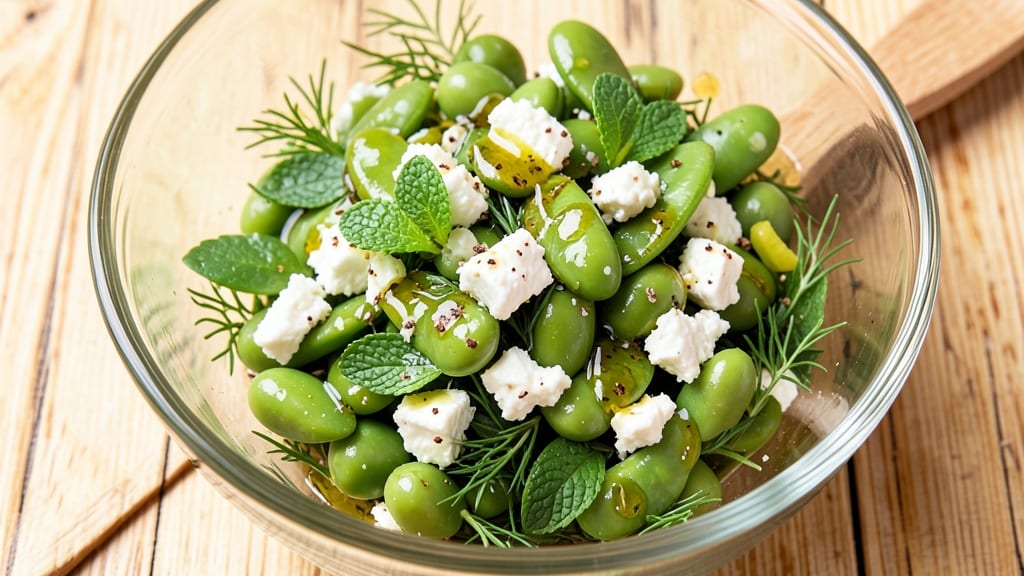
A cold pea and cheese salad transforms simple ingredients into a refreshing, protein-packed dish that keeps its crunch without soggy mayo. This recipe balances sweet peas, sharp cheese, and fresh herbs for a salad that stays vibrant for hours—perfect for picnics, potlucks, or a light lunch.
The secret lies in a tangy vinegar dressing that clings to each ingredient without weighing it down.
What makes this salad stand out is its zero-mayo cling—no slimy textures here. Instead, a bright lemon-vinegar dressing with Dijon mustard and olive oil coats the peas and cheese lightly, enhancing their natural flavors.
The combination of sweet peas, crumbly feta, and fresh herbs creates a texture that’s satisfyingly crisp, while the cheese adds a salty contrast that keeps every bite interesting.
Assembling this salad is straightforward: toss the peas with cheese, herbs, and dressing, then chill for at least 30 minutes to let the flavors meld. The result is a vegetarian-friendly dish that’s hearty enough for a main course or light enough for a side.
It’s also meal-prep friendly—stays fresh for up to 3 days in the fridge, making it ideal for busy weeks.
For extra crunch, add toasted nuts or croutons, or swap in your favorite cheese like goat cheese or blue cheese for deeper flavor. Serve with crusty bread or alongside grilled meats for a well-rounded meal. Here’s how to bring it all together perfectly.
Ingredients for cold pea and cheese salad
Sweet peas, crumbly feta, and fresh herbs create a protein-packed salad that stays crisp without mayo.
| Ingredient | Amount | Notes |
|---|---|---|
| Fresh Green Peas 🌿 | 2 cups | Frozen works if thawed first |
| Feta Cheese 🧀 | 1 cup | Crumbled, not pre-crumbled |
| Fresh Mint Leaves 🌿 | ¼ cup | Finely chopped, stems removed |
| Fresh Dill 🌿 | ¼ cup | Finely chopped, stems removed |
| Extra-Virgin Olive Oil 🫒 | ½ cup | Light, fruity variety preferred |
| White Wine Vinegar 🍷 | ¼ cup | Dry, not sweet |
| Dijon Mustard 🌶️ | 1 tbsp | High-quality for tang |
| Fresh Lemon Juice 🍋 | 2 tbsp | Freshly squeezed |
| Granulated Sugar 🍚 | 1 tsp | Balances tanginess |
| Kosher Salt 🧂 | 1 tsp | Adjust to taste |
| Ground Black Pepper 🌶️ | ½ tsp | Freshly ground preferred |
| Red Onion 🧅 | ¼ cup | Thinly sliced, for crunch |
| Almonds 🥜 | ¼ cup | Toasted, sliced thin |
The peas are the heart of this salad, so fresh or high-quality frozen is key. Whole Foods or Trader Joe's carry excellent frozen varieties—just thaw them completely before using. For feta, block form is non-negotiable—pre-crumbled feta has anti-caking agents that make it gummy. Look for domestic or Greek brands with good marbling. Fresh herbs like mint and dill should be vibrant green; wilted leaves mean weaker flavor. If you're short on time, dried herbs work at half the amount, but fresh is ideal for that bright herbaceous punch.
No fresh mint? Lemon balm or basil can substitute, though the flavor will differ slightly. For the dressing, apple cider vinegar works if white wine vinegar isn't available, but it adds a subtle sweetness. If you prefer a milder mustard, reduce the Dijon to 0.5 tbsp and add 0.5 tbsp of regular yellow mustard. The almonds can be swapped for toasted walnuts or pecans if you're avoiding nuts. For extra crunch, add crispy fried shallots or toasted pita chips—both hold up well in the fridge. The red onion adds a sharp bite; if you dislike raw onion, caramelize it first for a sweeter touch.
This salad tastes even better after 30-60 minutes in the fridge—the flavors meld beautifully. Store in an airtight container with parchment paper between layers to maintain crispness. Keeps well for 3 days in the fridge, though the almonds may soften slightly. For longer storage, freeze the dressing separately and add it fresh before serving. Reheat the dressing gently if needed, but the salad itself is best served cold. Portion into individual containers for easy grab-and-go lunches—just add a sprinkle of fresh herbs before eating for maximum freshness.
Why You'll Love This Recipe
- No-Cook Magic: I swear by this when I’m too hot to turn on the stove. Toss shelled peas, crumbled feta, and chopped herbs—no heat, no fuss. The mint and dill brighten up in minutes while I’m still deciding what to have for dinner.
- Feta-Creamy Crunch: That salty, briny feta melts into the peas like a dream, especially when you let it sit for 10 minutes. The olive oil ties it all together—simple, but ridiculously satisfying. Honestly, I’ve had worse meals costing 10x more.
- Picnic-Party Ready: Pack it in a jar for lunch, bring it to a BBQ as a side, or serve it at a brunch spread. It holds up perfectly for days, and the flavors only get better as the herbs mellow. My roommates still steal my leftovers—no judgment.
- Budget Bright Spot: Fresh peas and feta stretch further than you’d think, and a handful of herbs goes a long way. I make this twice a week in summer, and it’s always the cheapest thing on the table. Plus, it’s the one dish that never feels like a chore to reheat.
Step-by-step instructions for cold pea and cheese salad
Here's how to assemble this vibrant, herb-packed salad with perfect texture and balance.
Blanch the Fresh Green Peas
Bring a small pot of water to a rolling boil. Add the 2 cups fresh green peas and cook for exactly 2 minutes—just until they turn bright green and tender but still hold their shape. Immediately drain in a colander and plunge into ice water to stop the cooking process. This quick blanch preserves their vibrant color and crisp texture.
Drain well and transfer to a large mixing bowl. Let them cool completely before proceeding—warm peas will release excess moisture and make your dressing cling. I like to spread them on a clean kitchen towel to absorb any remaining water droplets.
Prepare the Herb Dressing Components
In a small bowl, whisk together the 0.5 cup extra-virgin olive oil, 0.25 cup white wine vinegar, 1 tbsp Dijon mustard, 2 tbsp fresh lemon juice, 1 tsp granulated sugar, 1 tsp kosher salt, and 0.5 tsp ground black pepper. This is your base dressing—don't worry if it looks slightly separated at first. The sugar helps balance the acidity while the mustard adds depth.
In a separate small bowl, finely chop the 0.25 cup fresh mint leaves and 0.25 cup fresh dill, removing stems. Set aside. These herbs will infuse the dressing with bright, fresh flavor. I always chop them just before adding to preserve their aroma and prevent wilting.
Combine Salad Ingredients
Add the crumbled 1 cup feta cheese and 0.25 cup thinly sliced red onion to the cooled peas. Gently toss everything together with your hands or a large spoon—just enough to distribute evenly. The feta should break into small, uneven pieces for texture contrast. If using frozen peas, make sure they're completely thawed first to avoid a watery salad.
Pour the herb dressing over the pea mixture and gently fold in. Add the chopped mint and dill along with the 0.25 cup toasted, sliced almonds. The almonds should be warm from toasting—this enhances their nutty flavor. Fold everything together just until combined, being careful not to overmix or break up the feta pieces.
Rest and Serve
Cover the salad bowl and refrigerate for at least 30 minutes before serving. This resting period allows all the flavors to meld together and the dressing to fully coat the peas. The salad will taste even better after sitting for a few hours—this is when the herbs release their full aroma and the feta softens slightly.
When ready to serve, give the salad one final gentle toss. The texture should be bright and crunchy with no clumping. Serve immediately for the best experience—this salad holds up well for about 4 hours in the refrigerator, but the herbs start to wilt after that point. Pair with crusty bread or grilled chicken for a complete meal.
Pro Tips For Making Cold Pea And Cheese Salad
- Shock the Peas: Toss your cooked peas into ice water for 30 seconds right after draining—this stops them from turning mushy when mixed with the feta’s moisture. I learned this the hard way when my salad ended up a sad, watery mess instead of bright and crisp.
- Crumble, Don’t Chop: Break the feta into uneven chunks with your fingers, not a knife—it dissolves faster and stays creamier in the salad. (Yes, it’ll look rustic, but that’s the point.) My grandmother swore by this, and she was right: prettiness doesn’t matter when texture does.
- Wait for Mint: Add fresh mint last—right before serving—so its bright flavor doesn’t wilt in the oil. If you’re prepping ahead, store the herbs separately and toss them in just before eating. (Your future self will thank you.)
- Dress Like a Pro: Whisk the olive oil with a pinch of salt and a squeeze of lemon before drizzling—it emulsifies better and coats the peas evenly. Skip the fancy ratios: 2 tablespoons oil per cup of peas, plus a splash of lemon, is all you need. No need to overcomplicate it.
Common mistakes when making perfect results
Overcooking the Peas
Peas are delicate—cooking them for more than 2 minutes turns them mushy, which ruins the salad's crisp texture. I've made this mistake and ended up with a sad, watery mess. Always use a timer and immediately shock them in ice water to stop cooking.
Frozen peas should be thawed completely before using, or they'll release excess moisture and dilute your dressing. 🌿
Skipping the Resting Time
Rushing to serve this salad right after mixing means missing out on the flavor development. The 30-minute rest in the fridge lets the dressing cling properly and the herbs release their full aroma. I've learned the hard way—salad tasted flat when served immediately. Trust the process and let it chill!
Using Pre-Crumbled Feta
Pre-crumbled feta contains anti-caking agents that make it gummy and unpleasant in salads. Always buy block feta and crumble it yourself for the best texture. I now keep a block in my fridge specifically for salads—it makes all the difference in achieving that perfect crumbly consistency. 🧀
Overmixing the Salad
Gentle folding is key—overmixing breaks up the feta and makes the salad dense. I've ruined several batches by tossing too vigorously. Use your hands or a large spoon to combine ingredients just until everything is evenly distributed. The salad should look vibrant with visible texture, not mashed together.
Ignoring the Dressing Balance
The dressing needs all its components to work properly. Skipping the Dijon mustard or lemon juice makes it too mild, while omitting the sugar can make it overly tart.
I've tasted versions missing key ingredients and they lacked depth. Measure carefully and taste as you go—adjust the vinegar or lemon juice if needed for your preference.
Not Toasting the Nuts
Raw almonds taste bland in this salad. Always toast them until golden brown for maximum flavor. I've used raw nuts in the past and regretted it—they didn't hold up well and lacked the nutty punch.
Toast them in a dry pan for 2-3 minutes until fragrant, then let cool before slicing. This small step makes a big difference in the final texture and taste. 🥜
Nutrition facts
Frequently asked questions
Can I make this salad ahead of time?
Yes! This salad actually tastes better after 2-3 hours in the fridge as the flavors meld. Store it in an airtight container with parchment paper between layers to maintain crispness. The almonds may soften slightly after 3 days, so plan to serve it within that time frame for best texture.
What if I don't like feta cheese?
No problem! Swap the feta for goat cheese (crumbled), blue cheese (for a bolder flavor), or even shredded Parmesan for a lighter option. Each brings different textures and tastes—goat cheese adds creaminess while blue cheese offers a tangy punch. Just adjust the amount to 1 cup total for balance.
How do I keep the peas from getting soggy?
The key is proper preparation: blanch for exactly 2 minutes and shock immediately in ice water. Also, let the peas cool completely before mixing with dressing. For extra insurance, spread them on a towel after draining to absorb excess moisture. The vinegar-based dressing helps maintain crispness too—it's less likely to make peas mushy than mayo.
Can I add protein to make it a main dish?
This salad pairs perfectly with grilled chicken, smoked salmon, or hard-boiled eggs (chopped). Add the protein just before serving to keep everything fresh. For a vegetarian option, consider adding white beans or chickpeas for extra heartiness. The salad's bright flavors complement proteins beautifully.
What's the best way to serve this salad?
This versatile salad works for any meal! Serve it as a light lunch with crusty bread, as a picnic side with sandwiches, or as a vegetarian main course with quinoa. For extra presentation, garnish with fresh herbs or a drizzle of olive oil just before serving. It's equally great warm or cold—perfect for summer gatherings or winter comfort meals.