Why I started Salad Recipes Vine
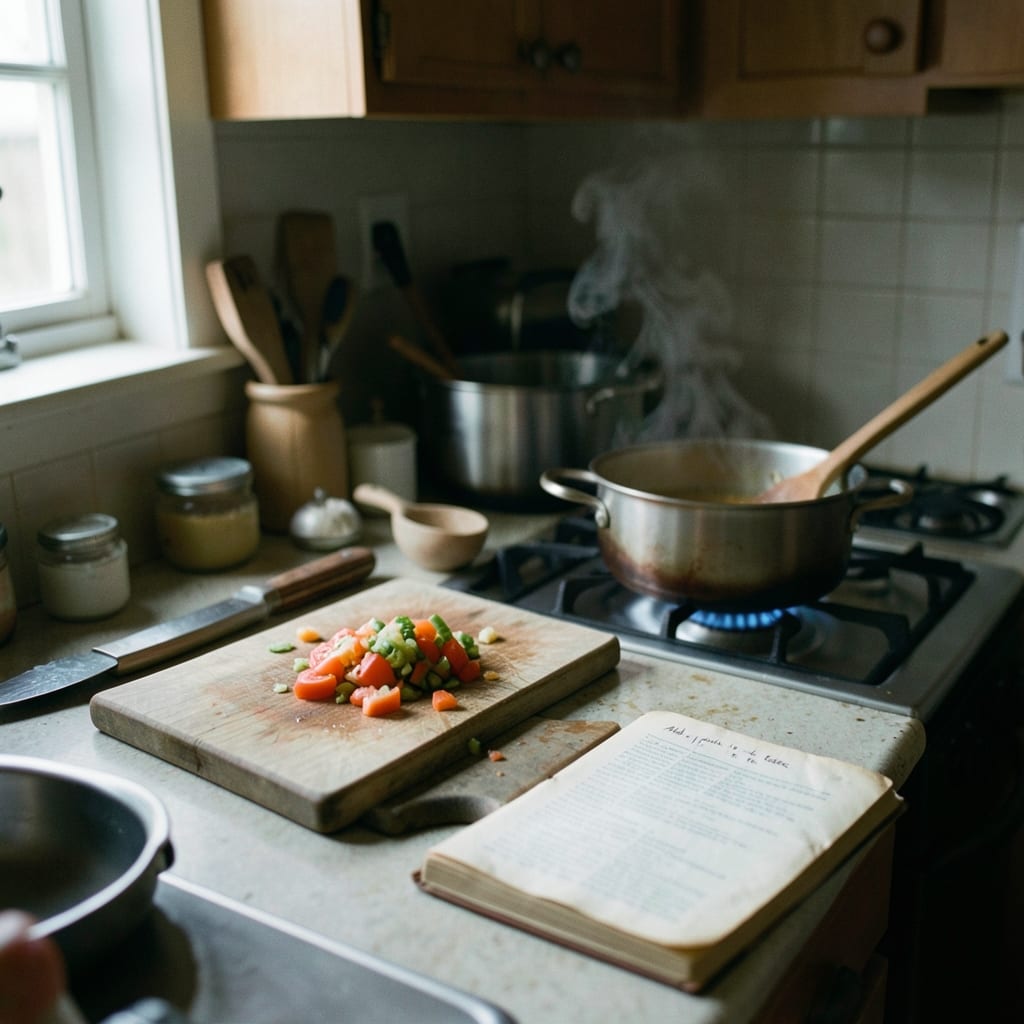
It was a rainy Tuesday evening, and I’d just burned the third batch of what was supposed to be a simple caprese salad. The basil was overcooked, the tomatoes had split into a mushy mess, and my flatmate—who had been watching in silence—finally said, *‘Maybe the problem isn’t the recipe.
Maybe it’s how you’re thinking about it.’* That stuck with me. Most salad recipes I’d seen treated greens and dressings as an afterthought, but I’d grown up watching my grandmother turn a bowl of lettuce into a centerpiece. She’d talk about ‘the marriage of flavors,’ not just the ingredients.
So I started *Salad Recipes Vine* to fill the gap between those two worlds: the ones that treat salads as a side dish and the ones that make them feel like an art.
This is for anyone who’s ever hesitated to make a salad because it seemed too simple—or too fussy. Here, you’ll find recipes that balance tradition with bold flavors, where every ingredient has a purpose, and every bite tells a story.
No shortcuts, no pretension, just food that brings people to the table.
Meet the founder
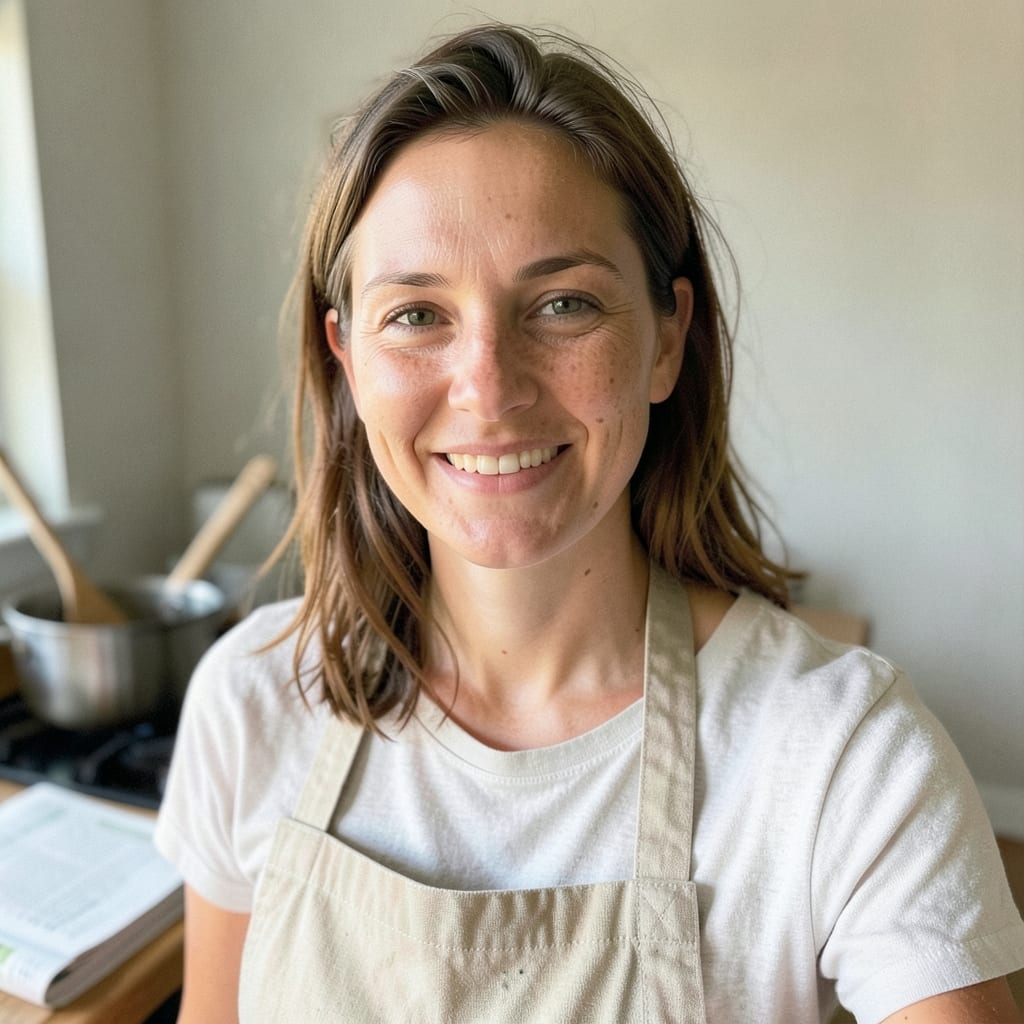
My grandmother’s kitchen was where I learned that a salad isn’t just vegetables with dressing dumped on top.
She’d pull out a jar of homemade pesto—always basil, always garlic, but the olive oil was never the same two bottles—and talk about how the light in the garden changed the flavor of the tomatoes.
I was eight when I tried to replicate her ‘perfect’ Caesar dressing, and the egg yolk curdled into a disaster. She didn’t laugh. She just handed me a whisk and said, *‘Start again.
This time, taste the lemon first.’* That’s the method I still use: trust the process, but never ignore your own palate.
The only tool I’ve ever kept from that kitchen is a wooden spoon with a chipped handle. It’s been in every pot, bowl, and mixing dish I’ve owned since I was 12.
The chip caught on the rim of a saucepan when I was trying to stir a vinaigrette, and instead of tossing it, I just… kept using it.
Now it’s my go-to for tossing greens because it’s the right size, and the chip reminds me that even the ‘perfect’ recipes need a little imperfection.
The failure that changed everything was a charred batch of grilled halloumi salad. I’d cranked the grill too high, and by the time I realized, the cheese was blackened and bitter. But the dressing—a mix of honey, Dijon, and white wine vinegar—had soaked into the ruins, and somehow, it worked.
That’s when I stopped treating mistakes as disasters and started seeing them as flavor notes. Now, I’ll often grill cheese until it’s *almost* ruined, then rescue it with the right acid or herb.
I have a habit of humming while I cook. Not the kind of humming that sounds like a tune—just a low, steady *mmm* that starts when I’m chopping and doesn’t stop until the last bite is on the plate. My flatmate says it’s unnerving, but I can’t break it.
It’s how I measure rhythm in the kitchen: the pace of the knife, the sizzle of the pan, the way flavors come together. If the humming speeds up, I’m excited. If it slows to a stop, something’s off.
Meet the mascot
The first sketch of what would become the *Salad Recipes Vine* mascot started on a napkin at a café in Lisbon. I was doodling a fork and knife crossed over a bowl of greens, but the lines kept twisting into something that looked more like a vine with leaves.
The fork’s tines became tendrils, and the knife’s handle turned into a stem. The napkin was crumpled and stained with coffee, but the basic shape was there: a playful way to say *‘this is food that grows, even on the page.’*
The drawn version came later, on a yellow legal pad in my kitchen. I traced over the napkin sketch with a fine-liner, adding texture to the leaves and a slight curve to the vine so it didn’t look like a broken branch.
The bowl became more of a suggestion—a hollow where the salad would live—and the fork and knife softened into abstract lines, like they were melting into the greens.
The biggest change was giving the vine a face: two dots for eyes and a tiny, satisfied smile, because the best salads always feel like they’re smiling back at you.
For the final version, I had to strip it down to what would still read at the size of a browser tab. The fork and knife disappeared entirely—they were just a memory, a nod to the tools we use.
The bowl became a simple circle, and the vine’s leaves reduced to three clean shapes, like a minimalist herb garden. The name stuck because it’s what the drawing *is*: a vine, not a bowl, not a recipe.
It’s the idea that good food grows from tradition, but it’s always reaching for something new.
What I promise you
This site is a promise to you: no recipe here will leave you wondering if you missed a step or overcooked something. Every dish is written with the assumption that you’re standing beside me in the kitchen—not that you’re a chef, not that you’ve done this a hundred times.
If it says *‘roast until tender,’* I mean it. If it says *‘toss gently,’* I’ve tested what happens when you don’t.
What you can hold me to
- Every ingredient is listed in order of use—no last-minute scrambling to find what you need halfway through.
- There’s always a ‘why’ behind the technique: whether it’s *‘toasting the nuts cuts the bitterness’* or *‘letting the dressing sit for 10 minutes lets the flavors marry.’*
- If a recipe calls for a skill you don’t have (like perfecting a vinaigrette or knowing when a tomato is ripe enough), I’ll tell you exactly how to fake it—or why you shouldn’t bother.
- The photos aren’t just for show. They’re there to answer the question *‘Does this look right?’* before you take a bite.
How I create a recipe
A recipe here always starts with a question: *‘What’s the one thing this salad needs that no one else is talking about?’* Sometimes it’s a texture—a crunchy seed, a creamy avocado that’s been mashed just enough to coat.
Other times it’s a flavor: a splash of fish sauce in a cucumber salad, or a pinch of smoked paprika in a green goddess dressing. I’ll make the same dish five ways before I decide which one answers that question best.
The rest—timing, technique, the exact ratio of oil to vinegar—comes after.
The first cut: building the base
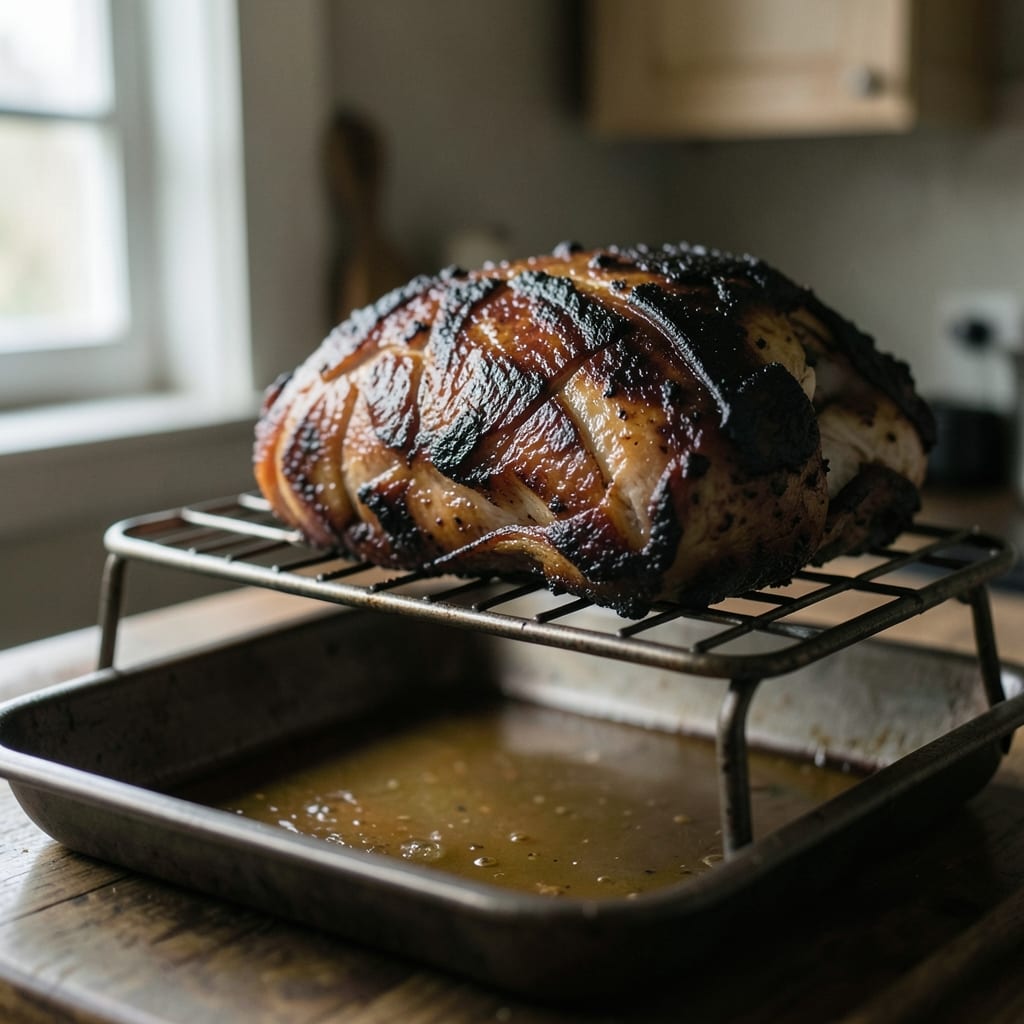
The first stage is always about the greens and the dressing, because if either of those fails, nothing else matters. I’ll start by prepping the greens—torn, not chopped, because that keeps them crisp—and then I’ll make the dressing *last*. No rushing.
The oil goes in first, then the acid (vinegar, lemon, whatever), and I’ll let it sit for at least 10 minutes before I even think about adding herbs or salt.
If the dressing is too thin after that, I’ll emulsify it by hand with a whisk, adding oil drop by drop until it thickens.
If it separates later, it’s because I didn’t give it enough time to rest—or because I used the wrong oil. (Olive oil is for finishing, not for the base.)
The second act: balancing the flavors
Once the base is set, I’ll add the rest—roasted vegetables, toasted nuts, anything that needs heat or time—*after* the dressing is done. The key here is temperature: warm dressing on cold greens makes a sad salad.
I’ll pull everything from the oven or pan just before serving, so the heat from the dressing doesn’t wilt the leaves. If a dish needs acidity, I’ll add it last (a squeeze of lime, a drizzle of balsamic), because that’s what wakes up the flavors.
And if something tastes *off*—too sweet, too bitter—I’ll adjust with salt or a pinch of sugar, but I’ll never lie about the original recipe. If it’s supposed to be tangy, it stays tangy.
How a page gets onto this site
The notes for every recipe start on a scrap of paper while the food’s still warm, but the real work happens later—when I’m sitting at my desk, not my stove. I’ll write down what I *think* worked, then read it back like I’m seeing it for the first time.
If a step feels vague (*‘cook until done’*), I’ll replace it with something concrete (*‘12 minutes at 375°F, until a knife slides in like butter’*). If a photo doesn’t show the texture I’m describing, I’ll take another one. And if a recipe gets rewritten months later?
That’s usually because someone wrote to say *‘I tried it, but the dressing was too thick,’* and I realized I’d assumed everyone had the same tools—or the same patience—as I do.
Write to me
I love hearing about the salads you’ve made—or the ones you’ve ruined. Send me a photo of your disaster (or your triumph) and I’ll tell you what went wrong—or what you did right. Did you substitute an ingredient and make it better?
Did a recipe here bring your family to the table? I’m especially curious about the salads you grew up with: the ones your grandmother swore by, or the ones you swore *never* to make again.
You can find the contact page in the menu above, and I’ll answer every message—even the ones that just say *‘Your vinaigrette recipe changed my life.’*
Bernice Mensah
The recipes are grouped by category: Appetizers, Beverages, Breakfast & Brunch, Desserts, Main Courses and Reviews.