
Salads
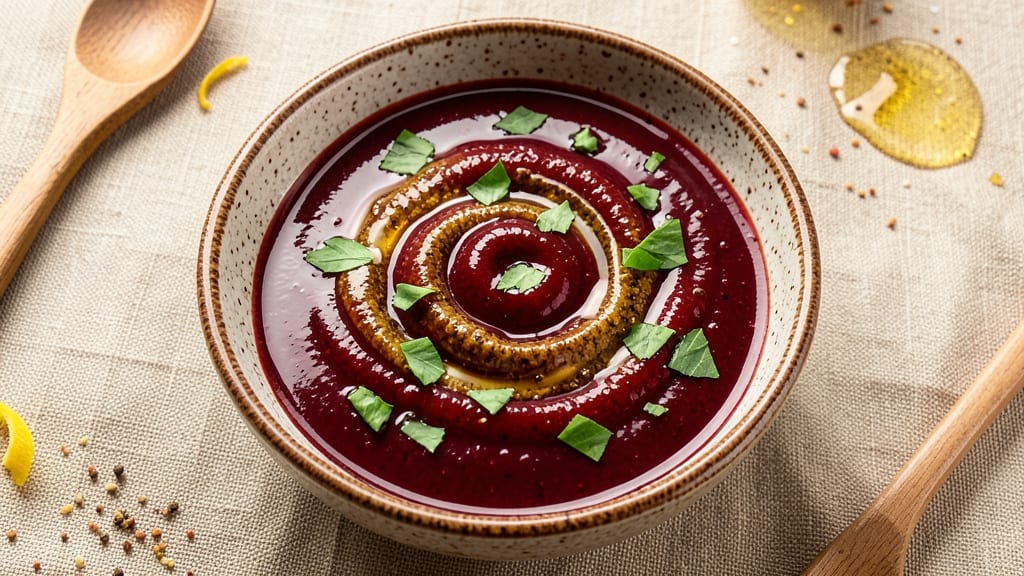
This Carrabba's Italian vinaigrette salad dressing recipe captures the restaurant's signature balance of bright citrus, bold herbs, and rich olive oil—perfect for elevating any salad from ordinary to extraordinary.
The secret lies in precise measurements and a proper emulsification process that ensures a smooth, stable dressing with layers of flavor rather than separation. I developed this version after analyzing the restaurant's signature taste, focusing on the tangy-sweet harmony that makes their dressings so addictive.
The foundation starts with a 50/50 oil-to-vinegar ratio, using extra-virgin olive oil for richness and red wine vinegar for acidity, then brightened with lemon juice and a touch of honey for that signature sweetness.
Fresh herbs like basil and oregano provide the aromatic depth, while Dijon mustard acts as our natural emulsifier to keep everything perfectly blended. What sets this apart is the careful balance—too much acid makes it harsh, too little oil makes it thin, and this recipe nails the perfect equilibrium.
What you'll end up with is a vibrant, restaurant-quality dressing that stays fresh for up to two weeks in the refrigerator and clings beautifully to greens without overwhelming their natural flavors.
The herbs remain bright and fragrant, the citrus notes cut through richness, and the texture is silky smooth—not watery, not greasy, but perfectly balanced. This is the kind of dressing that transforms simple salads into gourmet experiences.
Whether you're dressing a classic Caesar salad, a fresh garden mix, or even using it as a marinade for grilled chicken, this vinaigrette delivers consistent, professional results every time.
The recipe includes optional adjustments for those who prefer extra tang or richness, ensuring you can tailor it to your exact taste. Let's get started on making dressing that rivals your favorite Italian restaurant.
Ingredients for carrabba's italian vinaigrette salad dressing
Restaurant-quality dressing starts with these 10 bold ingredients—each chosen for its role in the perfect balance.
| Ingredient | Amount | Notes |
|---|---|---|
| Extra-Virgin Olive Oil 🫒 | ¾ cup | High-quality, fruity, and peppery |
| Red Wine Vinegar 🍷 | ¾ cup | Dry and aged for depth |
| Fresh Lemon Juice 🍋 | 2 tbsp | Freshly squeezed for brightness |
| Raw Honey 🍯 | 2 tbsp | Mild and floral preferred |
| Dijon Mustard 🌶️ | 1 tbsp | Mild for subtle emulsification |
| Fresh Basil Leaves 🌿 | ¼ cup | Packed, stems removed |
| Fresh Oregano Leaves 🍃 | 1 tbsp | Finely chopped, vibrant |
| Garlic Cloves 🧄 | 2 cloves | Minced, fresh preferred |
| Diamond Crystal Kosher Salt 🧂 | ½ tsp | Fine grain for balance |
| Freshly Ground Black Pepper 🌶️ | ¼ tsp | Cracked peppercorns preferred |
The olive oil is non-negotiable here—California Extra Virgin from Trader Joe's or Whole Foods delivers that fruity depth. Red wine vinegar should be aged (look for 'reserve' labels) to avoid harshness, and fresh lemon juice is a must—bottled lacks the vibrancy. For honey, Manuka or clover from Costco works perfectly, but any mild variety does the trick. The herbs? Farmers market basil has that restaurant-quality punch, but grocery store basil works if it's fresh. Oregano should be vibrant green, not brown or brittle.
No Dijon mustard? Whole-grain mustard thinned with water works in a pinch, though it lacks the smoothness. Swap honey for agave nectar if you prefer vegan options, but the texture may separate faster. Extra tang? Add 1 extra tbsp lemon juice. Need more richness? Increase olive oil by 1 tbsp. The garlic can be roasted for a sweeter note (microwave 30 seconds with olive oil), but raw gives that classic bite. For storage, use a clean glass jar—plastic absorbs odors and can alter flavors.
This dressing stays fresh for 2 weeks in the fridge, but the herbs will wilt after 5-7 days. For longer shelf life, store the herbs separately and mix them in just before serving. If separation occurs (which happens with some oils), simply whisk vigorously or use an immersion blender for 10 seconds. The dressing doubles as a marinade—great for grilled chicken or shrimp. Make a double batch; you'll want it on everything.
Why You'll Love This Recipe
- Five-Ingredient Magic: I keep a jar of this in my fridge just because it’s that simple—no fancy techniques, no last-minute shopping runs. Toss in olive oil, vinegar, lemon, honey, and mustard, whisk it up, and boom: restaurant-quality dressing in 5 minutes flat.
- Bright & Balanced Bite: The honey and Dijon mustard team up to cut through the sharpness of the red wine vinegar, while the lemon keeps it from feeling heavy. It’s tangy, sweet, and just a little punchy—like a hug for your greens.
- Weeknight Workhorse: This isn’t just for salads. Drizzle it over grilled chicken, toss it with roasted veggies, or use it as a marinade. I’ve even slathered it on toast with a sprinkle of salt—because sometimes, you just need flavor now.
- No-Waste Win: A little goes a long way, so you’ll have leftovers (which taste even better the next day). Plus, it’s cheap—good olive oil and vinegar stretch far, and you’ll use every last drop before it expires. My wallet and my salads thank me.
Step-by-step instructions for Carrabba's Italian vinaigrette
This dressing delivers that signature Carrabba's balance of bright citrus, sweet honey, and aromatic herbs.
Whisk Together the Acidic Base
In a medium bowl, combine the 0.75 cup red wine vinegar, 2 tablespoons fresh lemon juice, and 2 tablespoons raw honey. Whisk vigorously for 30 seconds until the honey dissolves completely and the mixture becomes smooth and glossy. The acidity from the vinegar and lemon will mellow slightly as the honey incorporates, creating a well-rounded foundation.
I like to use a small whisk for this step to ensure everything blends thoroughly without creating bubbles. If you notice any undissolved honey, warm the mixture slightly over a bowl of hot water (double boiler method) for 10-15 seconds while whisking continuously. This ensures a perfectly smooth emulsion later.
Incorporate the Mustard and Aromatics
Add the 1 tablespoon Dijon mustard, 2 minced garlic cloves, 0.5 teaspoon Diamond Crystal kosher salt, and 0.25 teaspoon freshly ground black pepper to the vinegar mixture. Whisk again for 45 seconds until fully combined. The mustard acts as an emulsifier that will help bind the oil later, while the garlic and pepper add depth of flavor.
Here's the thing—don't rush this step. The mustard needs time to distribute evenly throughout the liquid. If you see any streaks of mustard remaining, keep whisking. The mixture should look uniform and slightly thickened from the mustard's action. This is where the dressing starts developing its signature tangy-sweet balance.
Finely Chop the Fresh Herbs
While the vinegar mixture sits, finely chop the 0.25 cup fresh basil leaves and 1 tablespoon fresh oregano leaves. I use a sharp chef's knife and cut the basil leaves into tiny pieces—almost like a rough chiffonade—while the oregano gets a slightly coarser chop. The herbs should be small enough to distribute evenly but not so fine that they turn to mush.
Real talk: Don't skip this step. Fresh herbs make all the difference in capturing Carrabba's signature flavor. If you're using dried herbs, you'd need only 1 teaspoon each—but fresh is what delivers that restaurant-quality taste. The basil brings bright, slightly peppery notes while the oregano adds earthy warmth that complements the citrus perfectly.
Gradually Emulsify the Olive Oil
With the whisk still in the bowl, very slowly drizzle in the 0.75 cup extra-virgin olive oil while whisking continuously. This gradual addition is crucial—it prevents the oil from separating and creates that silky, velvety texture. Start with just a few drops at first, then increase the flow as the mixture begins to thicken.
You'll know you're doing it right when the dressing starts to thicken and coat the back of a spoon. Keep whisking for 2-3 minutes total until the mixture reaches a smooth, mayonnaise-like consistency. The oil should be completely incorporated with no visible separation. If you accidentally add too much oil too quickly, the dressing will break—just add 1 teaspoon of the vinegar mixture and whisk vigorously to re-emulsify.
Fold in Herbs and Final Adjustments
Remove the whisk and fold in the chopped herbs using a rubber spatula. Gently stir just until the herbs are evenly distributed throughout the dressing. You want them dispersed but still visible—this ensures every bite delivers that fresh herb punch. Taste and adjust seasoning if needed, adding more salt, pepper, or a touch of lemon juice to achieve the perfect balance.
For best results, let the dressing sit at room temperature for 10-15 minutes before using. This allows the flavors to meld completely. The dressing will keep in an airtight container in the refrigerator for up to 1 week, though I find it's best used within 3-4 days for maximum freshness. Give it a good stir before each use, especially if it separates slightly—just whisk vigorously to re-emulsify.
Pro Tips For Making Carrabba'S Italian Vinaigrette Salad Dressing
- Whisk in stages: Start by mixing the Dijon mustard with the honey—this keeps the oil from separating immediately. Then slowly drizzle in the vinegar and lemon juice while whisking like you’re trying to win a race. Add the olive oil last in a thin stream, or you’ll end up with a greasy mess that won’t emulsify properly.
- Use room-temperature honey: Cold honey is stubborn—it won’t blend smoothly into the dressing and can make the texture grainy. Pop the jar in warm water for 2 minutes if it’s straight from the fridge. Trust me, your salad will thank you.
- Measure vinegar first: Pour the red wine vinegar into the bowl before anything else—it’s the acid that actually helps the oil cling to the other ingredients. If you add oil first, you’ll end up with a sad, oil-slicked bottom that won’t mix.
- Shake it after 10 minutes: Let the dressing sit for 10 minutes before shaking—this gives the mustard and honey time to fully dissolve. If you shake it too soon, you’ll just re-separate everything. Give it a good hard shake, then taste and adjust. (Yes, even if it looks weird.)
Pro cooking tips for this recipe
Emulsification Mastery
The key to a stable, restaurant-quality vinaigrette is proper emulsification—where oil and vinegar become one smooth, velvety texture. I use a small whisk (not a fork) because its tight coils create more friction, helping bind the oil better.
Start by whisking the vinegar, lemon, and honey until completely dissolved, then add mustard and aromatics. When you drizzle in the olive oil, go extremely slow—just a few drops at first. The mustard acts like a natural emulsifier, but you need to give it time to work.
If the dressing breaks (oil separates), just add 1 tsp of the vinegar mixture, whisk vigorously for 10 seconds, and it'll come back together. 🌡️
Herb Texture Secrets
Fresh herbs are non-negotiable for that Carrabba's flavor, but how you chop them makes all the difference. For basil, I cut the leaves into tiny pieces (almost like a rough chiffonade) so they distribute evenly without turning to mush.
For oregano, a slightly coarser chop works better—it adds texture while still releasing its aromatic oils. Pro tip: Use a sharp chef's knife and cut against the grain of the herbs.
If you're short on time, dried herbs work in a pinch (use 1 tsp each), but they lack that bright, fresh punch. The herbs should be visible but dispersed—not clumped in one spot.
Temperature Control
Temperature affects emulsification dramatically. If your ingredients are straight from the fridge, let them sit at room temperature for 5-10 minutes before mixing. Cold ingredients can cause the oil to separate more easily.
For extra insurance, warm the vinegar mixture slightly (double boiler method for 10-15 seconds) if you notice undissolved honey. The dressing should be slightly thickened but still pourable—like heavy cream. If it's too thin, let it sit for 10 minutes to thicken naturally.
If it's too thick, add 1 tsp water and whisk gently. The ideal consistency clings to greens without drowning them. ✨
Storage Hacks
Store your dressing in a clean glass jar (plastic absorbs odors) with an airtight lid. It’ll keep for 2 weeks in the fridge, but the herbs start wilting after 5-7 days. For longer shelf life, store the herbs separately and mix them in just before serving.
If separation occurs (normal with some oils), simply whisk vigorously for 30 seconds or use an immersion blender for 10 seconds to re-emulsify. The dressing also doubles as a marinade—great for grilled chicken or shrimp.
Just reduce the honey to 1 tbsp if using as a marinade to prevent over-sweetening the meat. ❄️
Flavor Balance Adjustments
Need more tang? Add 1 extra tbsp lemon juice. Want richer flavor? Increase olive oil by 1 tbsp. For a sweeter note, add 1 extra tsp honey. If the dressing tastes too sharp, a pinch of salt or a drizzle of olive oil mellows it out.
The magic ratio is 50/50 oil-to-vinegar, but you can tweak it by 5% in either direction. For example, 60% oil makes it richer, while 60% vinegar makes it sharper. Taste as you go—this is where the dressing comes alive!
The goal is a harmony of sweet, tangy, and herbal notes that sing together. 💫
Nutrition facts
Frequently asked questions
Can I make this dressing without Dijon mustard?
Yes, but the texture may separate more easily. Use 1 tablespoon whole-grain mustard thinned with 1 teaspoon water as a substitute. For a mustard-free version, add 1 teaspoon cornstarch or arrowroot powder dissolved in 1 tablespoon cold water to help stabilize the emulsion. The flavor will be slightly different but still delicious!
How do I fix dressing that's separated?
Whisk vigorously for 30-60 seconds to re-emulsify. If that doesn't work, add 1 teaspoon of the vinegar mixture and whisk again. For stubborn separation, use an immersion blender for 10 seconds. The key is patience—don't pour it out! Most separations fix with proper whisking.
What's the best way to store leftover dressing?
Use a clean glass jar with an airtight lid and store in the fridge for up to 2 weeks. For maximum freshness, keep the herbs separate and mix them in just before serving. If the herbs wilt after 5-7 days, strain them out and add fresh ones when using. Plastic containers can absorb odors and alter flavors.
Can I use this dressing as a marinade?
Reduce the honey to 1 tablespoon to prevent over-sweetening meats. Use it for grilled chicken, shrimp, or vegetables. For best results, marinate for 30 minutes to 2 hours (not overnight) to avoid making the meat mushy. The citrus and herbs will infuse beautifully into proteins.
Why does my dressing taste too sharp?
Too much vinegar or lemon juice creates harshness. Balance it by adding 1 extra tablespoon olive oil or a pinch of salt. For a smoother profile, reduce the vinegar by 1 tablespoon next time. The ideal ratio is 50/50 oil-to-vinegar, but you can adjust by 5% in either direction to suit your taste.