
Salads
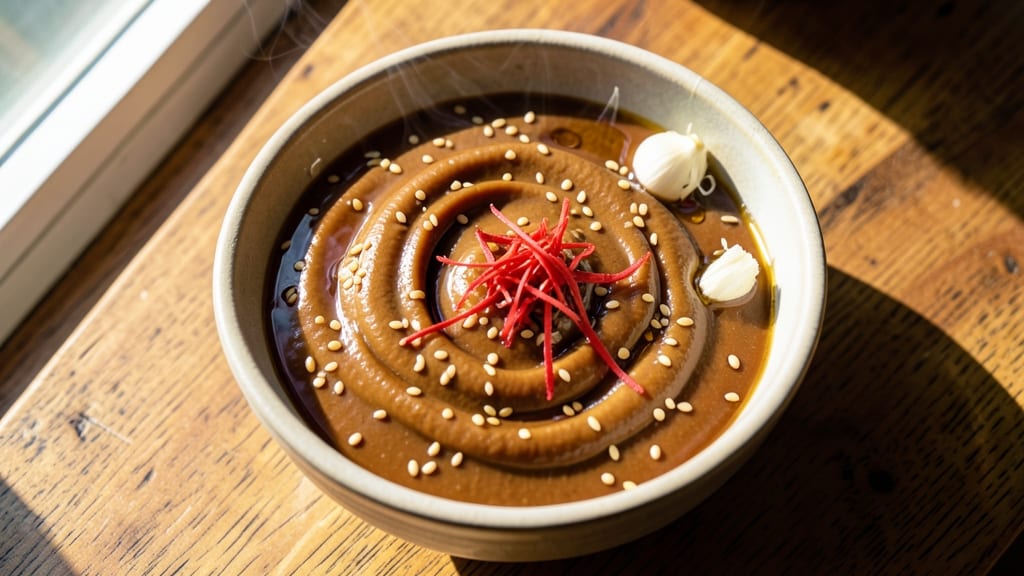
This vegan Asian salad dressing transforms ordinary greens into a vibrant, umami-rich experience with just five simple ingredients. The secret lies in balancing sweet, tangy, and savory notes—sesame oil for depth, rice vinegar for brightness, and a touch of maple syrup to round out the flavors.
I developed this recipe after craving restaurant-quality dressing without the hidden dairy or honey, and it’s now a staple in my kitchen for everything from stir-fries to grain bowls.
What makes this dressing special is its versatility—it works as a marinade, dipping sauce, or finishing touch for noodles. The sesame-ginger fusion delivers a complex flavor profile without overpowering your salad’s natural ingredients.
Plus, it’s vegan-friendly, gluten-free (if using tamari), and ready in under 5 minutes, making it perfect for busy weeknights or meal prep.
By the time you whisk together the ingredients, you’ll have a glossy, aromatic dressing that clings perfectly to greens, noodles, or roasted vegetables. The ginger adds a subtle kick, while toasted sesame seeds contribute nutty crunch.
It’s the kind of dressing that elevates simple ingredients into something extraordinary—no shortcuts, just bold, balanced flavor.
Store it in an airtight container in the fridge for up to 1 week, or freeze for longer shelf life. Pair it with mixed greens, soba noodles, or grilled tofu for a meal that’s as nutritious as it is delicious. Let’s make this dressing!
Ingredients for vegan asian salad dressing
Five simple ingredients blend into a flavor-packed dressing that’s vegan, gluten-free, and restaurant-quality.
| Ingredient | Amount | Notes |
|---|---|---|
| Toasted Sesame Oil 🫒 | ¼ cup | Use high-quality, toasted variety |
| Rice Vinegar 🍶 | ⅓ cup | White or seasoned, unsweetened |
| Pure Maple Syrup 🍯 | ¼ cup | Grade B for richer flavor |
| Fresh Ginger 🌿 | 1 ½ tbsp | Finely grated, fresh preferred |
| Tamari or Coconut Aminos 🍜 | 2 tbsp | Gluten-free soy sauce alternative |
| Toasted Sesame Seeds 🌰 | 1 tbsp | For garnish and texture |
| Garlic Cloves 🧄 | 2 cloves | Minced or finely grated |
| Red Pepper Flakes 🌶️ | ½ tsp | Optional for subtle heat |
| Water 💧 | ¼ cup | To thin if needed |
| Lemon Juice 🍋 | 1 tbsp | Freshly squeezed |
The sesame oil is non-negotiable—Kadoya or La Tourangelle are my go-tos for that nutty, toasted depth. Grab the toasted variety from the Asian aisle, not the regular sesame oil. Fresh ginger matters too; Trader Joe's or Whole Foods usually have the juiciest roots. If you're using tamari, check the label for gluten-free certification—San-J or Tamari Real are solid choices. For maple syrup, Grade B has that caramelized richness that regular Grade A misses. And if you're feeling adventurous, toast your own sesame seeds in a dry pan for 2 minutes—they’ll smell like heaven.
No sesame oil? Avocado oil or neutral oil works in a pinch, but the flavor won’t be the same. Swap tamari for coconut aminos if you’re avoiding soy entirely. Fresh ginger too strong? Ginger powder at half the amount gets you close, though it lacks that bright punch. Running low on maple syrup? Agave nectar or date syrup works, but maple’s the star here. The red pepper flakes are optional—skip if you’re sensitive to heat, but they add a nice kick. And if your dressing’s too thick, water or extra rice vinegar thins it out perfectly. Pro tip: make a double batch—it disappears fast.
This dressing keeps beautifully in the fridge for 1 week in an airtight jar. The flavors actually deepen over time, so it’s perfect for meal prep. For longer storage, freeze in ice cube trays—just thaw and whisk when ready. The sesame seeds stay fresh for 3 months in a sealed container, so buy extra. And if you’re using it as a marinade? Use within 2 days for best texture. Trust me, you’ll want to make this weekly—it’s that good.
Why You'll Love This Recipe
- Here’s what sold me: I make a big batch, store it in a jar, and it still tastes fresh after a week. That toasted sesame oil keeps it rich, while the ginger’s warmth stays bright. No sad, watery dressing here—just reliable, crave-worthy sauce.
- Five-Ingredient Magic: I swear by this combo—ginger’s zing, maple’s depth, and that nutty sesame oil hit just right. No weird blends, just honest, balanced flavor that doesn’t scream "health food."
- Pantry Staple Power: Between us, I keep this dressing’s base ingredients stocked all the time. Tamari or coconut aminos? Swap ‘em like it’s nothing. The rice vinegar’s sharpness cuts through greens, tofu, or even noodles—no fancy shopping needed.
- Weeknight Workhorse: Honestly, this is my go-to when I’m staring at a fridge full of random veggies and think, "What the heck do I do with this?" Drizzle it on roasted broccoli, toss it with cold soba, or even stir it into a grain bowl. It’s the MVP of "I don’t wanna cook" nights.
Step-by-step instructions for vegan Asian salad dressing
This umami-packed dressing comes together in minutes with bold, balanced flavors.
Grate Ginger and Garlic for Maximum Flavor
Use a microplane or fine grater to zest the 1.5 tablespoons fresh ginger and 2 cloves garlic directly into a small bowl. The finer the texture, the better it will dissolve into the dressing. I like to press the grated ginger between my fingers to release its oils—this intensifies the aromatic punch.
Set aside the grated mixture while you prepare the other ingredients. Fresh ginger and garlic are non-negotiable here; they're the heart of the dressing's complexity. If using pre-minced garlic, measure out 2 tablespoons instead of whole cloves to maintain the same flavor impact.
Whisk Wet Ingredients to Create the Base
In a medium bowl, combine the 0.33 cup rice vinegar, 0.25 cup pure maple syrup, 2 tablespoons tamari or coconut aminos, and 1 tablespoon lemon juice. Whisk vigorously for 30 seconds until the maple syrup is fully incorporated and the mixture is smooth.
This is where the dressing's signature balance begins—the tangy acidity of the vinegar and lemon cuts through the sweetness of the maple syrup while the tamari adds that essential umami depth. Taste the mixture now; it should be pleasantly sweet and tangy with a hint of saltiness. If you're using coconut aminos, you might want to add a pinch of salt here to compensate for its milder flavor.
Blend in Toasted Sesame Oil and Water
With the whisk still moving, slowly drizzle in the 0.25 cup toasted sesame oil while continuing to whisk. The oil should emulsify immediately, creating a silky texture. If the mixture separates, add 1 tablespoon at a time of the 0.25 cup water until it comes together smoothly.
This is the moment that matters: the toasted sesame oil carries the nutty, toasty notes that make this dressing truly special. If your dressing looks too thick, that's normal—it will emulsify fully as you continue whisking. The water acts as an emulsifier, helping to bind all the ingredients together. Keep whisking for another 30 seconds to ensure everything is well combined.
Incorporate Aromatics and Adjust Seasoning
Add the grated ginger and garlic to the bowl and whisk for another 30 seconds until fully dissolved. Sprinkle in the 0.5 teaspoon red pepper flakes (if using) and whisk just until distributed. Taste and adjust seasoning—this is where you fine-tune the balance.
Here's the thing—every batch is slightly different. If it needs more tang, add a splash more rice vinegar or lemon juice. Too sweet? A bit more tamari or a pinch of salt will help. Too thick? Thin with the remaining water, 1 teaspoon at a time, until it reaches a pourable consistency. The dressing should coat the back of a spoon but still be fluid enough to drizzle easily over salads.
Garnish and Store for Freshness
Transfer the dressing to a clean jar or airtight container. Sprinkle the 1 tablespoon toasted sesame seeds on top for garnish and additional texture. These seeds not only look beautiful but also add a subtle crunch when tossed with greens.
Store in the refrigerator for up to 1 week, shaking gently before each use. The flavors will actually deepen and meld over time, making this dressing even more complex. For best results, use it within 3-4 days for maximum freshness and brightness. This dressing is vegan, gluten-free (if using coconut aminos), and ready to elevate any Asian-inspired salad in minutes.
Pro Tips For Making Vegan Asian Salad Dressing
- Grate the Ginger Fine: Fresh ginger loses its punch when it’s chunky—this dressing needs it to dissolve completely. Use the smallest holes on your grater or pulse it in a food processor for 10 seconds, then strain if needed. (Yes, even if you’re impatient like me.)
- Add Sesame Oil Last: Toasted sesame oil is the flavor bomb, but it burns fast. Stir it in right before serving—just a teaspoon—to keep that nutty aroma intact. If you add it early, the heat will turn it bitter, and you’ll wonder why your dressing tastes off.
- Balance the Sweet-Sour Ratio: Maple syrup and rice vinegar need to play nice. Taste as you go: if the syrup dominates, add a splash more vinegar (start with 1:1, then adjust). I learned this the hard way—my first batch was basically a glaze, not a dressing.
- Use Cold Tamari: Room-temperature tamari loses its depth when mixed with warm ingredients. Keep it refrigerated until the last step, then stir it in cold to preserve that umami kick. (Your future self will notice the difference.)
Essential equipment for great vegan asian salad dressing
Whisk Essentials
You don’t need fancy tools—just a good whisk and a small bowl. I recommend a balloon whisk (like the OXO Good Grips) for its flexibility and ease of cleaning. The whisk helps emulsify the oil and vinegar perfectly, creating that silky texture.
If you're making a double batch, a French whisk works better for larger volumes. Avoid plastic whisks—they can scratch your bowl and won’t handle the sesame oil’s richness as well. 💫
Measuring Cups
Precision matters here, especially with the sesame oil and maple syrup. Use a liquid measuring cup (like Pyrex) for accurate pours—these have spouts and clear markings for easy reading. For dry ingredients like sesame seeds, a standard dry measuring cup with a level edge ensures consistency.
I keep my measuring cups in the fridge for quick access while prepping. Pro tip: Wipe the inside of your measuring cup with a paper towel before each use to prevent residue buildup. 🔥
Microplane or Grater
A microplane (like Bamix or Microplane) is a game-changer for the ginger and garlic. It creates ultra-fine zest that dissolves seamlessly into the dressing, unlike pre-minced garlic which can clump.
If you don’t have one, a fine grater works, but you’ll need to press the grated ginger through a sieve to remove any fibrous bits. Fresh ginger is non-negotiable—it’s the soul of this dressing. Store your microplane in a dry place to keep it rust-free. ✨
Air-Tight Storage
For fridge storage, I swear by amber glass jars (like Le Parfait)—they block light, which preserves the dressing’s vibrant color and freshness longer than plastic. Mason jars with silicone seals are another great option. Label your jar with the date and contents to track freshness.
For freezing, use ice cube trays—just pop out a cube as needed and whisk with a splash of water to restore consistency. Avoid metal containers, as they can react with the acidic vinegar over time. ❄️
Optional: Immersion Blender
If you prefer a smoother texture without whisking, an immersion blender (like Ninja) can blend the ingredients directly in the jar. This is especially helpful if you’re making a large batch or have limited arm strength. Run it on low speed for 10-15 seconds to avoid overheating the dressing.
Skip the water if using this method—the blending action helps emulsify the oil naturally. Just be sure to clean the blender head thoroughly afterward to avoid flavor transfer. 💡
Nutrition facts
Frequently asked questions
Can I make this dressing without sesame oil?
Yes, but the flavor will change! Swap toasted sesame oil for avocado oil or neutral oil (like light olive oil) for a milder taste. For extra depth, add 1 teaspoon of tahini to mimic the nutty notes. Just know the dressing will taste more neutral without the sesame's signature aroma.
How can I adjust the dressing for spicier or milder heat?
Start with the 0.5 teaspoon red pepper flakes as written, then adjust to taste. For more heat, add 0.25 teaspoon at a time until you reach your desired level. For milder flavor, simply omit them entirely—this dressing still packs plenty of umami from the ginger and tamari.
Will this dressing work for non-salad uses?
This versatile dressing doubles as a marinade for tofu or tempeh, a dipping sauce for spring rolls, or a finishing drizzle for noodle bowls. It also works beautifully as a base for vegan Asian-inspired sauces—just thicken it with cornstarch slurry for a glaze.
Can I substitute maple syrup with something else?
Yes, but choose wisely! For a neutral sweetness, use agave nectar or date syrup in a 1:1 ratio. For a deeper caramel flavor, try coconut sugar dissolved in warm water. Avoid honey (not vegan) or high-fructose corn syrup—they lack the complexity maple syrup provides.
Why did my dressing separate?
This happens when oil and vinegar aren't properly emulsified. Whisk more vigorously or add 1 tablespoon water at a time while whisking until smooth. For future batches, whisk for full 2 minutes or use an immersion blender for 10 seconds to ensure everything combines perfectly.