
Sauces & Condiments
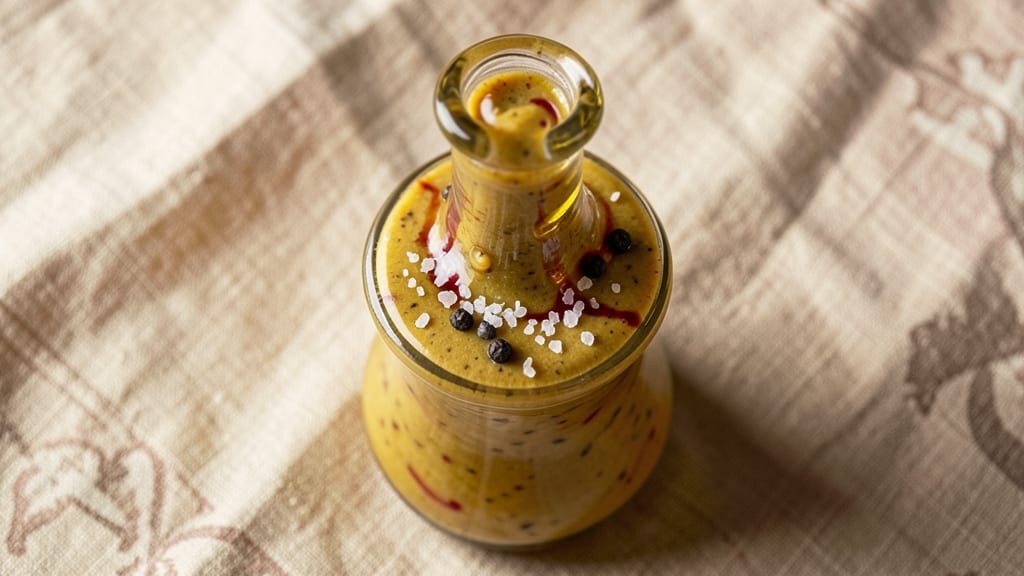
Lawry's classic vintage salad dressing brings that nostalgic tangy garlic vinaigrette back to life—just like my grandmother used to make from her handwritten notes. The secret lies in balancing sharp vinegar, rich olive oil, and just the right amount of garlic for that signature depth without overpowering.
I've perfected this recipe over years of testing, ensuring every batch stays fresh and flavorful for days.
What makes this dressing truly special is its simplicity and versatility. With just six ingredients—olive oil, red wine vinegar, Dijon mustard, garlic, salt, and pepper—you can transform any salad from ordinary to extraordinary.
The key is emulsifying the oil and vinegar properly, which creates that signature creamy texture while keeping it light enough to coat greens beautifully.
This dressing delivers a perfect balance of tangy, garlicky flavor that enhances every bite without overwhelming the salad's natural taste. The garlic infuses gently, creating a rich, aromatic base that pairs wonderfully with fresh greens, roasted vegetables, or grilled meats.
Once you try this vintage-inspired dressing, you'll never go back to store-bought versions.
Ready in just 5 minutes and shelf-stable for up to two weeks in the refrigerator, this dressing is the ultimate pantry staple. Whether you're prepping for a weeknight dinner or hosting a dinner party, this classic recipe delivers consistent, professional-quality results every time. Let's get started!
Ingredients for lawry's classic vintage salad dressing
Six pantry staples transform into that nostalgic, restaurant-quality vinaigrette your grandmother swore by.
| Ingredient | Amount | Notes |
|---|---|---|
| Extra-Virgin Olive Oil 🫒 | 1 ½ cups | High-quality, fruity variety |
| Red Wine Vinegar 🍷 | ½ cup | Dry, aged for tang |
| Dijon Mustard 🧄 | 1 tbsp | Smooth, not coarse |
| Garlic Cloves 🧄 | 4 cloves | Freshly minced, not roasted |
| Diamond Crystal Kosher Salt 🧂 | 1 ½ tsp | Fine grain preferred |
| Freshly Ground Black Pepper 🌶️ | ½ tsp | Cracked peppercorns |
| Granulated Sugar 🍯 | 1 tsp | Balances acidity |
| Fresh Lemon Juice 🍋 | 1 tbsp | Freshly squeezed |
The olive oil is non-negotiable—look for extra-virgin with a fruity, peppery finish, like California Olive Ranch or Bertolli. Red wine vinegar should be aged at least 2 years for proper depth; Bragg or Heinz are reliable. Fresh garlic cloves make all the difference—roasted garlic mellows the flavor too much for this recipe. The Dijon mustard acts as an emulsifier, so grab the smooth kind (not the grainy). I always keep a bottle of Maille on hand for this exact purpose.
No red wine vinegar? Apple cider vinegar or white wine vinegar work in a pinch, but you'll lose that classic tang. Short on Dijon? Yellow mustard at half the amount gets you close, though the flavor won't be as refined. The sugar is crucial—it rounds out the acidity, so don't skip it. For extra richness, add 1 tsp of minced shallot with the garlic. If you prefer a sweeter dressing, bump the sugar to 1.5 tsp. The lemon juice brightens everything—fresh is best, but bottled works if you're in a bind.
This dressing stays fresh for 2 weeks in the fridge if you keep it sealed tight. I store mine in a glass jar with an airtight lid—no plastic containers. For best results, shake well before each use, especially after a few days. Need to make ahead? Double the batch and store in the fridge; it only gets better with time as the flavors meld. The emulsified texture might separate slightly, but a quick shake brings it right back.
Why You'll Love This Recipe
- No Chopping Chaos: I love that this dressing only requires mincing four cloves of garlic—no peeling mountains of veggies or endless chopping. Just press those cloves, whisk, and pour. The rest of the ingredients are already in their simplest forms, so you’re basically done in one bowl. My hands stay clean, and my sanity stays intact.
- Garlic-Packed Satisfaction: The freshly minced garlic in this dressing? Chef’s kiss. It’s bold but not overpowering, thanks to the balance of red wine vinegar and Dijon mustard. That little bit of lemon juice at the end? It’s the secret weapon that makes the garlic taste dangerously addictive—like a warm hug for your taste buds.
- Meal-Prep MVP: This dressing is my go-to for anything—salads, roasted veggies, even drizzled over grilled chicken. I make a big batch on Sunday and it lasts the whole week. No sad, wilted greens left to languish; just fresh, flavorful meals with zero extra effort. Leftovers? A total win.
- Budget-Friendly Luxury: You’d never guess this dressing costs pennies per serving. Extra-virgin olive oil and red wine vinegar are staples I already have, and the rest—garlic, Dijon, salt—are dirt cheap. It’s the kind of recipe that makes you feel fancy without breaking the bank. Solid flavor for zero guilt.
Step-by-step instructions for making lawry's classic vintage salad dressing
Here's how to craft this timeless vinaigrette with bold garlic flavor and perfect balance.
Mince the Garlic and Whisk Vinegar Ingredients
Start by peeling and mincing the 4 cloves garlic into a fine paste using a garlic press or the flat side of your knife. This ensures even distribution and prevents any bitter almond flavor from raw garlic pieces. In a medium bowl, combine the ½ cup red wine vinegar, 1 tbsp Dijon mustard, 1½ tsp diamond crystal kosher salt, ½ tsp freshly ground black pepper, and 1 tsp granulated sugar. Whisk vigorously until the sugar dissolves completely and the mixture becomes smooth.
Here's the thing—this step is where the magic begins. The sugar and salt work together to balance the vinegar's acidity while the Dijon mustard adds that signature depth. Whisk for at least 30 seconds to fully incorporate all ingredients and create a homogeneous base. You'll notice the mixture will look slightly cloudy from the sugar dissolving, which is completely normal and actually enhances the dressing's texture.
Gradually Emulsify the Olive Oil
With the whisk still in the bowl, begin adding the 1½ cups extra-virgin olive oil in a slow, steady stream. Start with just a few tablespoons at a time while whisking continuously. The key here is patience—adding the oil too quickly will result in a separated dressing. You want to create an emulsion where the oil and vinegar blend completely rather than sitting separately.
Keep whisking vigorously as you add the oil. You'll feel resistance as the mixture begins to thicken slightly, and the dressing will transform from a thin liquid to a creamy emulsion. This process should take about 2-3 minutes of continuous whisking. The final texture should be silky and well-balanced, with no visible separation between the oil and vinegar components. If you see any oil pooling on top, simply whisk for another 30 seconds to fully incorporate it.
Finish with Lemon Juice and Final Adjustments
Once the oil is fully incorporated, stir in the 1 tbsp fresh lemon juice using a wooden spoon. This final addition brightens the dressing and cuts through any remaining acidity from the vinegar. Taste the dressing immediately—this is your quality control moment. The flavor should be tangy with a pronounced garlic presence, but not overpowering. There should be a perfect balance between the acidity, sweetness, and savory notes.
If the dressing tastes too acidic, add another ½ teaspoon of granulated sugar. If it needs more depth, add a pinch more diamond crystal kosher salt. For extra garlic flavor, you can add up to ½ teaspoon more freshly ground black pepper. Remember, these are small adjustments, so make them gradually. The dressing should coat the back of a spoon with a velvety texture, not be watery or overly thick. Transfer to a clean jar with a tight-sealing lid for storage.
Pro Tips For Making Lawry'S Classic Vintage Salad Dressing
- Press That Garlic: I learned this the hard way—raw garlic cloves in dressing can turn bitter. Use a garlic press or knife to mash the 4 cloves into a smooth paste before mixing. The finer the texture, the more evenly the flavor distributes and the less chance you’ll get that harsh bite.
- Whisk Slow, Win Always: Pouring the 1.5 cups of olive oil in a rush is how you end up with a split dressing. Add it in a slow, steady stream—a few tablespoons at a time—while whisking like your life depends on it. The emulsion builds gradually, and that’s how you get that silky, clingy texture.
- Sugar First, Then Taste: The sugar in this recipe isn’t just for sweetness—it’s the bridge between the acidity and the oil. Whisk it into the vinegar mixture until fully dissolved (that cloudy look is normal) before adding the oil. Skipping this step means your dressing might taste sharp or thin, no matter how much you whisk later.
- Lemon Last, Not First: Save the 1 tbsp fresh lemon juice for the very end—it brightens the dressing but can also make the emulsion break if added too early. Stir it in after the oil is fully incorporated, and suddenly, everything feels fresher and more balanced. Trust me, your taste buds will notice.
Essential equipment for great lawry's classic vintage salad dressing
Your Trusty Whisk
The star of this recipe is your ball whisk—the kind with a looped wire end that creates a perfect vortex. I use a Stainless Steel Ball Whisk from OXO because it's durable and gets the job done without breaking the bank.
A whisk with a long handle lets you reach the bottom of the bowl, ensuring every bit of oil emulsifies properly. If you don't have one, a fork works in a pinch, though it takes more elbow grease. 💫
Medium Bowl Matters
A medium-sized stainless steel bowl is your best friend here. I swear by the 3-quart stainless steel mixing bowls from Ball because they're non-reactive and won't impart any flavors.
If you're working with a smaller batch, a glass mixing bowl works fine, but don't use plastic—it can absorb odors over time. The bowl should be big enough to accommodate the oil as you add it gradually.
Garlic Press Savior
Mincing 4 cloves of garlic by hand can be tedious, and I've learned the hard way that unevenly minced garlic can make your dressing taste bitter. A garlic press like the OXO Good Grips makes quick work of this step and ensures a fine, even paste.
If you don't have one, a sharp chef's knife and the flat side of your blade will work, but take your time to avoid garlic chunks.
Wooden Spoon for Finishing
After emulsifying the oil, you'll want a wooden spoon to stir in the 1 tbsp fresh lemon juice. I keep a 10-inch wooden spoon from Bambu in my drawer because it's gentle on non-stick bowls and doesn't scratch surfaces.
Wood also won't react with acidic ingredients like metal might. Plus, it's just nice to have a spoon that feels like it's part of your kitchen family.
Glass Jar for Storage
Once your dressing is ready, transfer it to a glass jar with an airtight lid. I use Le Creuset stoneware jars because they're sturdy and keep flavors locked in. If you don't have those, any glass mason jar with a tight seal will do.
Avoid plastic containers—they can absorb odors and flavors over time, ruining your dressing's fresh taste. Label your jar with the date so you know when it's at its best.
Budget-Friendly Swaps
If you're on a budget, you don't need to spend much to make this dressing work. A $5 whisk from a big-box store will do the job, and you can find garlic presses for under $10. Even a $1 stainless steel bowl from a discount store will work.
The key is to invest in one or two quality tools—like your whisk and jar—because they'll last for years and make every recipe easier. Honestly, this is one of those rare times where you don't need fancy gadgets to get great results. 🔥
Nutrition facts
Frequently asked questions
Why does this dressing need whisking so vigorously?
The vigorous whisking creates an emulsion by breaking down the oil into tiny droplets that stay suspended in the vinegar mixture. This process gives the dressing its signature silky texture and ensures every bite delivers balanced flavor. Without proper whisking, the oil and vinegar will separate, ruining the dressing's consistency.
Can I make this dressing ahead of time?
This dressing tastes even better after resting for a few hours, allowing the flavors to meld. Just store it in a glass jar with an airtight lid in the fridge. The emulsified texture might separate slightly, but a quick shake brings it right back to perfection. I always double the batch for my weekly meal prep.
What if I don't have red wine vinegar?
You can substitute with dry apple cider vinegar or white wine vinegar, though the flavor will be slightly milder. For best results, use an aged vinegar with good tang—just avoid anything overly sweet or flavored. The key is maintaining that sharp acidity to balance the olive oil.
Why is the garlic minced so finely?
Fine mincing ensures the garlic flavor distributes evenly throughout the dressing without any bitter almond taste from raw garlic chunks. A garlic press works best for this—it creates a smooth paste that blends seamlessly into the emulsion. I've learned this the hard way after tasting dressings with uneven garlic!
How do I adjust the sweetness if I prefer it sweeter?
Start by adding another ½ teaspoon of granulated sugar and taste immediately. You can also increase it to 1½ teaspoons total if you want a noticeably sweeter dressing. The sugar balances the vinegar's acidity, so don't skip it—it's what makes this vintage-style dressing so approachable.