
Salads
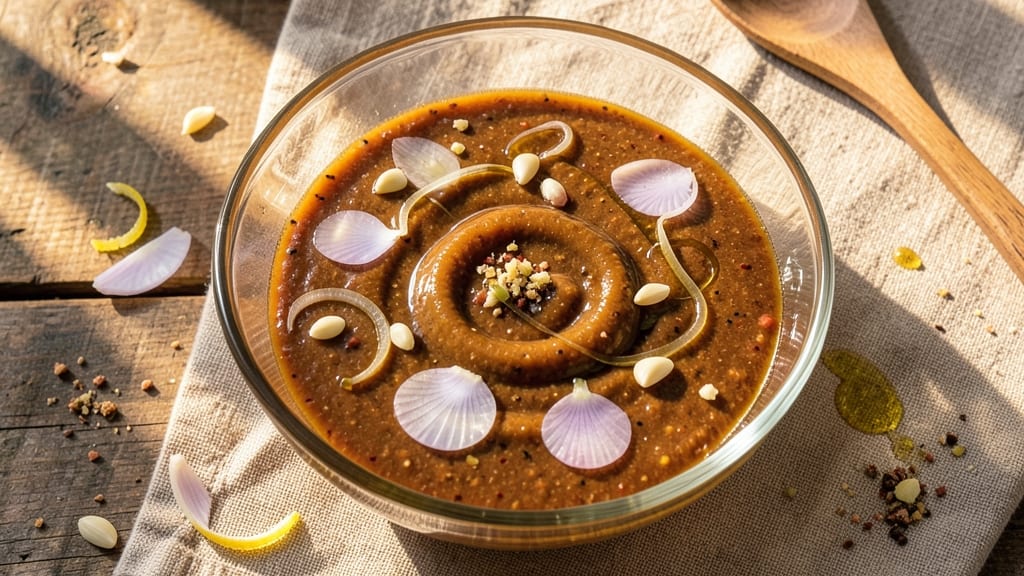
This classic vinaigrette salad dressing recipe delivers the perfect balance of bold flavors and silky texture in just 5 minutes—no fancy equipment required. The secret lies in the precise oil-to-vinegar ratio and a touch of Dijon mustard to emulsify, creating a dressing that clings beautifully to greens without separating.
I've perfected this version over years of testing, ensuring it's tangy, rich, and versatile enough for everything from crisp arugula salads to hearty grain bowls.
The foundation of any great vinaigrette is simplicity: high-quality olive oil, sharp vinegar (white wine or apple cider work best), and a pinch of salt to enhance all flavors.
What sets this recipe apart is the foolproof emulsification technique—whisking vigorously while gradually adding oil creates a stable, velvety dressing that won't break down. The Dijon mustard acts as a natural emulsifier, while a touch of honey or sugar balances acidity for a more refined finish.
What you'll end up with is a dressing that's vibrant, aromatic, and packed with layers of flavor—bright from the vinegar, rich from the oil, and complex from the mustard and herbs.
This isn't just a salad dressing; it's the kind of versatile condiment that elevates roasted vegetables, grilled proteins, or even drizzled over soups. The beauty of vinaigrette lies in its adaptability—customize it with fresh herbs, garlic, or spices to match any dish.
Store any leftovers in an airtight container in the refrigerator for up to 5 days, shaking gently before each use. The flavors actually improve as the ingredients meld, making this the perfect make-ahead dressing for busy weeknights.
Whether you're prepping for a dinner party or simply want to elevate your everyday salads, this classic vinaigrette delivers restaurant-quality results with minimal effort.
Ingredients for classic vinaigrette salad dressing
Five minutes to vibrant, restaurant-worthy vinaigrette—just these bold ingredients transform simple greens into gourmet masterpieces.
| Ingredient | Amount | Notes |
|---|---|---|
| Extra-Virgin Olive Oil 🫒 | ¾ cup | High-quality, fruity variety |
| White Wine Vinegar 🍷 | ¼ cup | Dry, crisp vinegar preferred |
| Dijon Mustard 🌶️ | 1 tbsp | Mild or strong variety |
| Honey 🍯 | 1 tbsp | For subtle sweetness |
| Fresh Shallot 🧅 | 1 whole | Minced, vibrant purple |
| Fresh Garlic Cloves 🧄 | 2 cloves | Peeled, finely minced |
| Fresh Parsley Leaves 🌿 | ¼ cup | Finely chopped, vibrant |
| Diamond Crystal Kosher Salt 🧂 | ½ tsp | Fine grain preferred |
| Freshly Ground Black Pepper 🌶️ | ¼ tsp | Freshly cracked preferred |
The olive oil is non-negotiable here—California avocado or Italian extra-virgin oils have the best fruity depth. Trader Joe's and Whole Foods carry excellent options, but any bottle labeled 'fruity' or 'peppery' works. White wine vinegar should smell sharp and clean—avoid anything with a sweet or funky aroma. For the shallot, one small purple shallot (about 1 inch diameter) is perfect, but if you've got a larger one, halve it. Fresh garlic and parsley make all the difference—neither dried nor frozen will give the same bright punch. I always grab a bunch of parsley and freeze half for future dressings.
No Dijon mustard? Whisk together 1 tbsp regular mustard with 1 tsp lemon juice for a similar tang. Substituting vinegar? Apple cider vinegar works beautifully, but balsamic will make your dressing too sweet. Honey too expensive? Maple syrup or agave at the same amount keeps it vegan. The salt is crucial—Diamond Crystal dissolves perfectly, but Morton kosher works too. If your dressing separates, whisk in 1 tsp warm water to re-emulsify. And if you're feeling fancy, add a pinch of smoked paprika for depth.
This dressing keeps beautifully in a glass jar with a tight seal—shake before each use. 5 days in the fridge is standard, but I've had mine last up to 2 weeks if I add an extra splash of vinegar to preserve freshness. For make-ahead meals, double the batch and store in small portions—perfect for lunches. The flavors actually improve as they meld, so it's worth making extra. Just remember: no metal spoons when storing, or it'll oxidize and turn bitter.
Why You'll Love This Recipe
- Five-Ingredient Magic: I swear, this is the kind of dressing where you measure, stir, and boom—it’s done. No blender, no fancy tools, just a whisk and a jar. The shallot adds brightness without fuss, and the honey rounds out the sharpness in one smooth step.
- Taste That Sticks: That first tangy bite? Chef’s kiss. The white wine vinegar cuts through greens like a knife, while the Dijon mustard adds a little kick that lingers. Honestly, I’ve tried store-bought, but this one actually tastes like something you’d order at a bistro.
- Works Everywhere: Throw it on a simple arugula salad, drizzle it over roasted veggies, or even use it as a marinade for chicken. Between us, I’ve even poured it over grilled fish—yes, even on a Tuesday night. It’s the kind of dressing that doesn’t ask for a spotlight but still steals the show.
- Makes Leftovers Look Good: A little goes a long way, and this keeps for weeks in the fridge. I always double the batch because I end up using it on salads, sandwiches, or even as a quick sauce for pasta. Budget-friendly? Absolutely. Versatile? You bet. My secret weapon for lazy days.
Step-by-step instructions for classic vinaigrette salad dressing
This timeless dressing comes together in minutes with a perfect balance of bold flavors.
Finely Mince the Shallot and Garlic
Start by peeling the 1 whole fresh shallot and cutting it in half from top to bottom. Place each half on a cutting board with the flat side down. Using a sharp chef's knife, make thin vertical slices all the way down to the root end, creating a fan. Then, carefully slice horizontally into paper-thin strips. You should end up with about 1 tablespoon of finely minced shallot—this delicate texture prevents bitterness and ensures smooth integration.
Next, peel the 2 cloves fresh garlic and give them a quick smash with the flat side of your knife before mincing them into a fine paste. The goal is to create a smooth, almost unrecognizable texture that will blend seamlessly into the dressing. If you prefer, you can use a microplane for this step—it creates an even finer texture and speeds up the process. Keep these aromatics set aside until ready to use.
Whisk Together the Vinegar and Mustard Base
In a medium bowl, combine the 0.25 cup white wine vinegar, 1 tablespoon Dijon mustard, and 1 tablespoon honey. Using a whisk, stir vigorously for about 30 seconds until the mixture is completely smooth and homogeneous. The Dijon mustard acts as an emulsifier, helping the oil and vinegar blend together later. This step is crucial—if you skip it, your dressing may separate.
The honey adds a subtle sweetness that balances the acidity of the vinegar, while the mustard provides depth and a slight tang. Taste the mixture now—it should be tangy, slightly sweet, and smooth. If you find it too sharp, add a tiny pinch more honey; if it needs more acidity, a splash of vinegar will do the trick. Adjust to your preference before moving forward.
Gradually Incorporate the Olive Oil
With the whisk still in the bowl, begin adding the 0.75 cup extra-virgin olive oil very slowly—just 1 teaspoon at a time. After each addition, whisk vigorously for 5-10 seconds until the oil is fully incorporated. This gradual approach is key to creating a stable emulsion. If you pour in the oil too quickly, the dressing will separate into oily and vinegary layers.
After adding about half of the oil, the mixture should start to thicken and take on a creamy, mayonnaise-like consistency. Keep whisking until all the oil is incorporated and the dressing is smooth and glossy. The texture should coat the back of a spoon without being too thick. If it’s too thin, add a splash more vinegar; if it’s too thick, a drizzle of oil will help.
Fold in the Aromatics and Seasonings
Add the finely minced shallot, garlic, 0.25 cup fresh parsley leaves, 0.5 teaspoon Diamond Crystal kosher salt, and 0.25 teaspoon freshly ground black pepper to the bowl. Using a spatula, gently fold everything together until fully combined. The parsley adds a bright, fresh finish, while the salt and pepper round out the flavors. Taste again and adjust the seasoning if needed—this is your chance to fine-tune the balance.
For a smoother texture, you can strain the dressing through a fine-mesh sieve into a clean jar or bottle. This removes any lingering bits of shallot or garlic, giving you a silky, restaurant-quality result. If you prefer a slightly rustic texture, skip the straining and let the herbs and aromatics shine. Either way, give the dressing one last taste and whisk before serving.
Rest and Serve for Maximum Flavor
Transfer the dressing to a jar with a tight-sealing lid and let it rest at room temperature for at least 10 minutes before using. This resting period allows the flavors to meld and the emulsion to stabilize. Shake or whisk gently before each use—even the best vinaigrettes can separate slightly over time, and a quick mix restores their silky texture.
This classic vinaigrette keeps well in the refrigerator for up to 1 week, though I find it’s best used within the first few days for peak freshness. Drizzle it over your favorite greens, toss it with roasted vegetables, or use it as a marinade for grilled meats. The bright, balanced flavors make it incredibly versatile—once you master this recipe, you’ll never buy store-bought dressing again.
Pro Tips For Making Classic Vinaigrette Salad Dressing
- Whisk in stages: Start with the vinegar and mustard—just a splash of each—then slowly drizzle in the olive oil while whisking like you’re trying to win a race. The oil’s thickness makes it easy to over-emulsify, and I learned this the hard way when my dressing split into two unappetizing layers.
- Mince the shallot: Skip the chopping board and just press the shallot through a garlic press or finely mince it with a knife—no need for perfect dice. The goal is tiny, even bits so they dissolve into the dressing without leaving texture. (Yes, even if you’re impatient like me.)
- Taste before the honey: Add the vinegar, mustard, and olive oil first, then taste the raw mix—it’ll be sharp and unbalanced. That’s normal. Now you know exactly how much honey to add (usually 1 tsp or less) to round it out, not guess blindly.
- Use room-temp oil: Cold olive oil from the fridge will make your dressing clump like butter. Let the bottle sit out for 10 minutes before measuring—it blends smoother and emulsifies better. (Your future salads will thank you.)
Creative variations of these flavors
Herb-Infused Variations
Swap the parsley for fresh tarragon or chives to create a French-inspired dressing—both add delicate anise notes that pair beautifully with goat cheese salads. For a Mediterranean twist, blend in 1 tablespoon finely chopped fresh dill and ½ teaspoon dried oregano, then strain for a clean finish.
I love adding 1 teaspoon lemon zest to brighten the flavors even more. 🌿
Global Flavor Twists
Transform this classic into a Japanese-inspired dressing by replacing white wine vinegar with rice vinegar and adding 1 teaspoon grated fresh ginger and ½ teaspoon toasted sesame oil. For a Mexican salsa cruda vibe, swap the shallot for 1 tablespoon minced jalapeño and add ½ teaspoon ground cumin.
Both versions keep the same emulsification technique but deliver bold, unexpected flavors. 🌶️
Sweet and Smoky Adaptations
For a smoky depth, stir in ½ teaspoon smoked paprika or 1 teaspoon liquid smoke (start with less—it’s potent!). Balance the richness with 1 teaspoon balsamic vinegar instead of white wine vinegar.
A honey-mustard twist swaps Dijon for 1 tablespoon whole-grain mustard and adds 1 teaspoon maple syrup—perfect for drizzling over grilled chicken or roasted squash. 🔥
Spicy and Tangy Boosts
Add ½ teaspoon cayenne pepper or 1 teaspoon hot honey for a fiery kick that cuts through rich dishes. For a spicy-sweet contrast, mix in 1 teaspoon sriracha or ½ teaspoon harissa paste with an extra ½ teaspoon honey to balance the heat.
These variations work especially well with hearty salads like kale or spinach, or as a marinade for spicy grilled meats. 🌶️
Nutty and Creamy Upgrades
For a nutty richness, whisk in 1 tablespoon tahini or 1 teaspoon almond butter after emulsifying the oil. This adds a velvety texture that pairs perfectly with arugula or roasted Brussels sprouts.
Another creamy option is 1 tablespoon crème fraîche or Greek yogurt, which transforms the dressing into a tangy, almost ranch-like sauce—ideal for drizzling over soups or grain bowls. 🥛
Seasonal Fruit Additions
Brighten summer salads by stirring in 1 tablespoon finely diced cucumber or peeled apple for a refreshing crunch. In fall, add 1 teaspoon grated carrot or pomegranate molasses (start with ½ teaspoon) for a sweet-tart depth.
These additions work best when folded in just before serving to maintain texture. The fruit’s natural acidity enhances the vinegar’s tang while adding a vibrant pop of color. 🍎
Nutrition facts
Frequently asked questions
Why does my vinaigrette separate after mixing?
The most common cause is adding oil too quickly. Always whisk in oil 1 teaspoon at a time while vigorously whisking. If it separates later, whisk in 1 teaspoon warm water to re-emulsify. The Dijon mustard acts as a natural emulsifier, so if you skipped it, that's likely the issue. For extra stability, add ½ teaspoon xanthan gum when whisking in the oil.
Can I make this dressing without a whisk?
Use a small jar with a tight lid—shake vigorously for 30 seconds after each oil addition. Or blend all ingredients (except herbs) in a blender for 10-15 seconds on high. The key is gradual oil incorporation and vigorous mixing. For a rustic texture, a fork works too, though it may leave tiny shallot bits.
How do I adjust the flavor if it's too tangy or too sweet?
For too-tangy dressing, add ½ teaspoon more honey or maple syrup and whisk. If it's too sweet, stir in 1 extra teaspoon vinegar. Remember: taste as you go! The honey balances acidity, while vinegar brightens richness. For a more complex flavor, add ½ teaspoon lemon juice—it adds brightness without altering the core balance.
What's the best way to store leftover dressing?
Transfer to a clean, airtight glass jar and refrigerate for up to 5 days. Shake or whisk gently before each use—it may separate slightly. For longer storage (up to 2 weeks), add ½ teaspoon extra vinegar to preserve freshness. Avoid metal spoons (they oxidize), and never store in plastic—it can absorb flavors and odors.
Can I use this dressing on non-salad dishes?
This versatile dressing elevates grilled chicken, roasted vegetables, pasta dishes, and even soups. Drizzle it over seared scallops or warm grain bowls for a bright contrast. For meats, use it as a marinade (30 minutes max)—the acid tenderizes while adding flavor. Just avoid using it on delicate seafood like raw oysters or clams.