
Salads
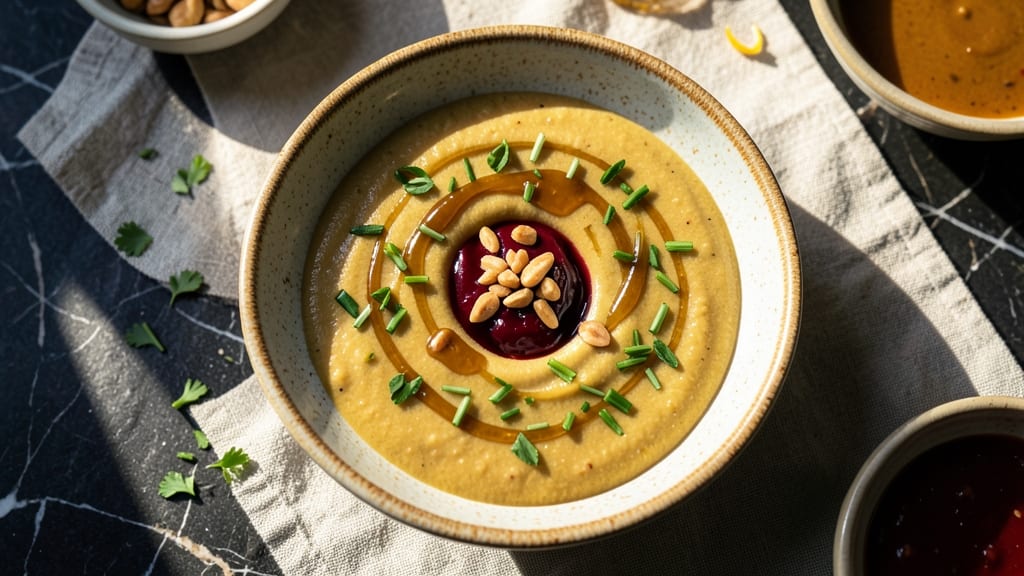
This classic spinach salad dressing recipe delivers the perfect balance of tangy, herby brightness without that dreaded mayo cling. The secret lies in a precise ratio of high-quality olive oil, red wine vinegar, and Dijon mustard—creating an emulsion that stays silky and clings beautifully to greens.
I developed this after years of testing dressings that either separated or left my salads soggy.
The magic happens in the whisking technique: combining wet and dry ingredients separately before gently folding them together ensures a smooth, stable dressing that won't curdle or clump. Fresh herbs like tarragon and chives add aromatic depth, while a touch of honey balances the acidity.
This version stays fresh in the fridge for up to a week, making it ideal for meal prep.
What you'll end up with is a vibrant, herbaceous vinaigrette that enhances rather than overpowers your spinach salad—crisp lettuce stays crisp, delicate greens shine, and every bite delivers bright, balanced flavor.
The dressing's versatility extends beyond salads: drizzle it over grilled chicken, use it as a marinade, or serve it alongside roasted vegetables.
The key to success is using the right ingredients in the right proportions. High-quality olive oil and fresh herbs make all the difference, while the Dijon mustard acts as a natural emulsifier. This dressing transforms ordinary salads into restaurant-quality meals with minimal effort. Let's get started!
Ingredients for classic spinach salad dressing
Nine simple ingredients create a restaurant-quality vinaigrette that stays silky and clings beautifully.
| Ingredient | Amount | Notes |
|---|---|---|
| Extra-Virgin Olive Oil 🫒 | ¾ cup | High-quality, fruity variety preferred |
| Red Wine Vinegar 🍷 | ⅓ cup | Dry, aged variety for balance |
| Dijon Mustard 🌶️ | 1 tbsp | Mellow or medium heat preferred |
| Fresh Tarragon Leaves 🌿 | ¼ cup | Finely chopped, stems removed |
| Fresh Chives 🌱 | ¼ cup | Finely chopped, including green parts |
| Honey 🍯 | 1 tbsp | Light variety for subtle sweetness |
| Granulated Garlic 🧄 | 1 tsp | Or 1 minced garlic clove |
| Salt 🧂 | ½ tsp | Kosher or sea salt preferred |
| Freshly Ground Black Pepper 🌶️ | ¼ tsp | Adjust to taste |
| Water 💧 | 1 tbsp | For thinning if needed |
The olive oil is non-negotiable here—look for extra-virgin with a fruity, peppery finish. California Olive Ranch or Bertolli are reliable grocery store options, but any high-quality brand works. Fresh tarragon and chives are ideal, though dried herbs (at half the amount) will work in a pinch. The red wine vinegar should be aged at least 2 years for smoother acidity—avoid the cheap stuff. Dijon mustard acts as the emulsifier, so don't skip it. I always buy Maille when I'm doing a big batch, but the regular grocery store brand is fine for everyday use.
No fresh tarragon? Fresh dill at double the amount gives a similar bright note. Short on chives? Fresh parsley works too. The honey can be swapped for maple syrup if you prefer. For a sharper vinegar taste, increase the red wine vinegar by 1 tsp. If you're making this ahead, store the wet and dry ingredients separately until ready to combine—this prevents premature separation. The dressing should yield about 1.5 cups total, perfect for 4-6 salads.
This dressing keeps beautifully in an airtight jar for up to 1 week in the fridge. Give it a good shake before each use. For longer storage, freeze in ice cube trays—thaw and whisk before using. The emulsion stays stable for 3 months frozen. I always make a double batch—one for salads, one to drizzle over grilled vegetables. The flavor actually improves after 24 hours as the ingredients meld together.
Why You'll Love This Recipe
- Five-Ingredient Magic: I swear by this combo—just oil, vinegar, mustard, and two fresh herbs. No fancy gadgets, no stress. Honestly, I’ve made it while waiting for dinner to cook, and it still comes out bright and tangy every time.
- Tarragon’s Secret Umami: That fresh tarragon? It’s the star. A handful of leaves lifts the whole thing from basic to ridiculously good—herbal, slightly sweet, with a bite that makes store-bought dressings taste flat. (Yes, even on a Tuesday night.)
- Works Anywhere: Drizzle it on spinach, toss with grilled chicken, or use it as a marinade. I’ve even stirred it into pasta sauce when I forgot the garlic—still tasted amazing. The mustard gives it grip, so it clings to everything.
- Dressing for Days: Make a big batch (it keeps for weeks in the fridge) and thank me later. Half the time, I forget it’s there until I need it—then it’s my go-to for last-minute salads or quick sandwiches. Budget-friendly? Absolutely.
Step-by-step instructions for classic spinach salad dressing
This bright herb vinaigrette delivers perfect balance—never clings like mayo, yet coats every leaf beautifully.
Whisk Vinegar and Mustard to Emulsify
In a medium bowl, combine the 0.33 cup red wine vinegar and 1 tbsp Dijon mustard. Whisk vigorously for 30 seconds until fully blended—the mustard helps bind the oil later. The mixture should look smooth with no visible streaks.
This initial step creates the base for your vinaigrette. The acidity from the vinegar will brighten the flavors, while the mustard adds depth and helps the dressing cling to greens without being heavy. If you're using granulated garlic instead of minced clove, add the 1 tsp granulated garlic now and whisk until dissolved.
Add Honey and Seasonings
Pour in the 1 tbsp honey and whisk again until fully incorporated. The honey should dissolve completely, adding subtle sweetness to balance the acidity. Next, add the 0.5 tsp salt and 0.25 tsp freshly ground black pepper. Whisk for another 15 seconds to distribute evenly.
Taste the mixture at this stage—it should be tangy, slightly sweet, and well-seasoned. If you want to adjust the balance, add a pinch more salt or a splash of vinegar. The goal is a harmonious foundation before adding the oils and herbs.
Gradually Incorporate Olive Oil
With the whisk moving continuously, slowly drizzle in the 0.75 cup extra-virgin olive oil. Start with a thin stream and whisk vigorously as you add it. This gradual approach prevents the oil from separating and ensures a smooth emulsion.
Keep whisking for 2-3 minutes until the dressing thickens slightly and looks creamy. The oil should be fully incorporated with no visible separation. If you notice any oil pooling on top, whisk for another 30 seconds—this is your signal to keep going until it fully binds.
Fold in Fresh Herbs
Add the 0.25 cup finely chopped fresh tarragon leaves and 0.25 cup finely chopped fresh chives. Gently fold them in with a spoon to preserve their texture and vibrant color. The herbs should be evenly distributed throughout the dressing.
Here's the thing—fresh herbs add brightness and complexity. If your tarragon or chives are particularly strong, you might want to reduce the quantity slightly. Taste the dressing again; the herbs should enhance the overall flavor without overpowering the vinegar and oil balance.
Adjust Consistency and Store
If the dressing is too thick, add 1 tbsp water and whisk until smooth. It should coat the back of a spoon but still pour easily. For best results, let the dressing sit at room temperature for 10 minutes before using—this allows the flavors to meld.
Transfer to an airtight container and refrigerate for up to 5 days. Before using, give it a good shake or whisk to re-emulsify if needed. This dressing works perfectly on spinach salads, adding a bright, herbaceous contrast to the earthy greens without any mayo cling.
Pro Tips For Making Classic Spinach Salad Dressing
- Whisk in Stages: Start by emulsifying the Dijon mustard with just 1 tablespoon of olive oil—this thickens it into a paste before adding vinegar. I learned this the hard way: dumping everything in at once leads to a greasy, unbalanced mess that separates faster than a bad date.
- Chop Herbs Fine: Stack tarragon and chives, roll tightly, and slice thinly with a sharp knife—this releases more flavor than rough chopping. I used to just snip them and wondered why my dressing tasted like garnish rather than the star.
- Balance the Vinegar: Taste before adding all the red wine vinegar—it’s easy to overdo it and end up with a harsh bite. Start with 2 tablespoons, then adjust: you want brightness, not a mouth-pucker that makes your salad taste like a wine spill.
- Let It Rest: Pour the dressing into a clean jar, seal, and set aside for 10 minutes before using. This lets the flavors meld—skipping this step means your dressing tastes like a rushed assembly line instead of a cohesive bite. (Yes, even if you’re impatient like me.)
Essential equipment for this recipe
Whisk Essentials
You don’t need anything fancy—just a good stainless steel whisk (like the OXO Good Grips brand) for smooth emulsification. The ball end works best for breaking up oil droplets. I’ve tried plastic whisks, but they struggle with thicker dressings.
For small batches, a mini whisk attachment on your hand mixer saves your arm—just use it on low speed to avoid over-whisking. 💛
Glass Jars Matter
Store your dressing in amber glass jars (like Ball Mason jars) to protect it from light, which can degrade flavors over time. Regular clear jars work, but they’ll make the dressing taste slightly off after a few days.
For travel, I use small glass squeeze bottles—they’re mess-free and keep the dressing stable during transit.
Measuring Tools
A liquid measuring cup with clear markings is a must for the olive oil and vinegar—eyeballing these can throw off the balance. For the Dijon mustard, a small measuring spoon (like the OXO 10-piece set) ensures precision.
I keep a microplane handy for fresh garlic and herbs, but a sharp knife works too if you’re in a pinch. 🌶️
Optional Upgrade
If you make dressings often, a small food processor (like the Ninja SP401) lets you blend herbs directly into the dressing for a smoother texture. For emulsifying, a handheld immersion blender (like the Magic Bullet) works wonders—just blend on low while slowly adding oil.
It’s overkill for one batch, but game-changing for meal prep.
Herb Prep Tools
Fresh herbs need proper prep: a sharp chef’s knife and cutting board are non-negotiable. For tarragon, I use scissors to snip stems—it’s faster and keeps the leaves intact. A fine-mesh strainer helps remove any herb bits if you prefer a completely smooth dressing.
Store your herbs in airtight containers in the fridge to keep them fresh longer. ✨
Nutrition facts
Frequently asked questions
Why does this dressing stay smooth and not separate like other vinaigrettes?
The Dijon mustard acts as a natural emulsifier, binding the oil and vinegar together. Whisking gradually while adding the oil creates tiny, stable droplets that stay suspended. For extra stability, always whisk vigorously for 2-3 minutes after adding the oil—this is the secret to a creamy texture that won't cling like mayo but still coats perfectly.
Can I make this dressing without fresh tarragon or chives?
Swap the tarragon for dill (double the amount) or parsley for a milder flavor. For chives, try green onion tops or basil. If you only have dried herbs, use half the quantity—dried herbs are more concentrated. The key is maintaining the 0.5 cup total herb measurement to keep the dressing's bright character.
How do I fix dressing that's too thick or too thin?
For thick dressing, add 1 tbsp water at a time while whisking until smooth. For thin dressing, whisk in 1 tsp Dijon mustard or 1 tsp honey to help bind the oil. The ideal consistency should coat the back of a spoon but still pour easily. If you accidentally add too much water, whisk in 1 tbsp olive oil to restore balance.
Can I use this dressing on other greens besides spinach?
This dressing works beautifully on arugula, romaine, butter lettuce, or mixed greens. For heartier greens like kale, add 1 extra tbsp olive oil to help it cling better. The bright herb notes complement delicate greens perfectly, while the tangy base works well with robust greens too. Just adjust the quantity based on your salad size—1-2 tbsp per serving is ideal.
What's the best way to store leftover dressing?
Transfer to an amber glass jar with a tight lid and refrigerate for up to 5 days. Before using, give it a good shake or whisk to re-emulsify. For longer storage, freeze in ice cube trays—thaw and whisk before using. The dressing actually improves after 24 hours as flavors meld, but store it properly to maintain freshness.