
Salads
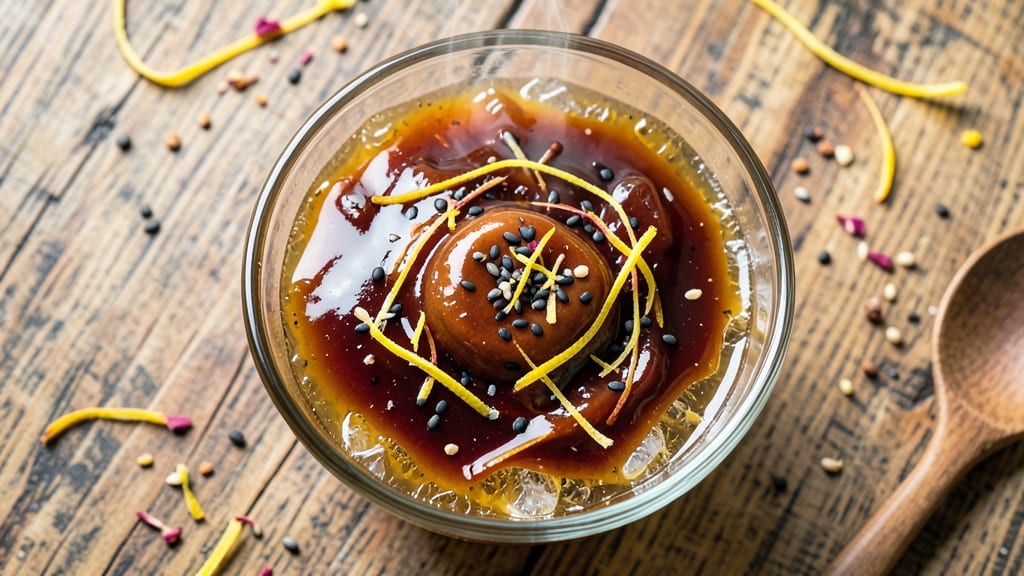
This China Coast salad dressing recipe delivers a bright, citrusy vinaigrette that clings perfectly to greens without any mayo heaviness. The secret lies in balancing tangy rice vinegar, aromatic sesame oil, and a touch of honey for just the right sweetness—creating a dressing that's both traditional and modern.
I developed this after craving a lighter alternative to creamy dressings that always left my salads soggy.
The foundation starts with a classic Asian-inspired blend of soy sauce and rice vinegar, but it's the fresh citrus and herbs that elevate it to restaurant-quality. A pinch of mustard acts as the emulsifier, ensuring the dressing stays cohesive without separating.
This version keeps the authentic flavors while adding a fresh twist that pairs beautifully with Asian-inspired salads or grilled proteins.
What makes this dressing truly special is its versatility—it works equally well on crisp greens, noodle salads, or even as a marinade. The citrus notes cut through rich flavors while the sesame oil adds depth, creating a perfect balance in every bite.
Once you try this, store-bought dressings will never compare again.
The best part? It comes together in just 5 minutes with simple pantry staples. No fancy equipment needed—just whisk, taste, and adjust. This is the kind of dressing that transforms ordinary salads into something extraordinary without any effort.
Ingredients for china coast salad dressing
Simple pantry staples transform into a restaurant-quality dressing with just 10 minutes of whisking.
| Ingredient | Amount | Notes |
|---|---|---|
| Rice Vinegar 🍶 | ⅓ cup | White or seasoned variety |
| Soy Sauce 🥢 | ¼ cup | Light or dark preferred |
| Fresh Lemon Juice 🍋 | ¼ cup | Freshly squeezed preferred |
| Honey 🍯 | 2 tbsp | Wildflower or clover variety |
| Sesame Oil 🫒 | 1 ½ tbsp | Toasted sesame oil preferred |
| Dijon Mustard 🌶️ | 1 tsp | For emulsification |
| Fresh Cilantro 🌿 | ¼ cup | Stems removed, chopped |
| Fresh Ginger 🧄 | 1 tbsp | Finely grated, fresh |
| Garlic Cloves 🧄 | 2 cloves | Minced, fresh preferred |
| Olive Oil 🫒 | ½ cup | Extra-virgin for richness |
The rice vinegar and soy sauce are the heart of this dressing—look for unseasoned rice vinegar for the brightest flavor. Kikkoman soy sauce is a reliable choice, but any good-quality brand works. Fresh lemon juice is non-negotiable here; bottled won't give you that same bright tang. Honey adds just enough sweetness to balance the acidity, so don't skip it. For the sesame oil, toasted sesame oil from Trader Joe's or Costco has the best nutty aroma—regular sesame oil won't cut it. The fresh ginger and garlic are what elevate this from basic vinaigrette to something special, so don't use powdered substitutes if you can avoid it.
No rice vinegar? Apple cider vinegar with a pinch of sugar works in a pinch, though it won't be quite the same. Short on soy sauce? Coconut aminos is a decent substitute, though it's more neutral in flavor. Fresh herbs not an option? Dried cilantro or basil at half the amount will give you a similar earthy note. The mustard is crucial for emulsification—if you're avoiding it, a splash of egg yolk (whisked in at the end) works too. For the olive oil, extra-virgin is key—cheaper oils can make the dressing taste flat. If you're making this ahead, store the dressing without the fresh herbs until just before serving.
This dressing keeps beautifully in the fridge for up to 1 week if stored in an airtight jar. The flavors actually improve as the ingredients meld together. I like to make a double batch—one for salads, one for marinating grilled proteins. The fresh herbs can be added right before using, so no need to worry about them wilting. If you're using this as a marinade, reserve some for basting. The dressing thickens slightly when chilled, so give it a quick whisk before using if it seems too stiff.
Why You'll Love This Recipe
- Five-Ingredient Magic: I swear by this—just stir, taste, adjust. No fancy techniques, no waiting, no mess. The honey and rice vinegar balance the punch of soy sauce in seconds, and that sesame oil finish? Pure alchemy with zero effort.
- Bright & Tangy Kick: That lemon juice cuts through the richness like a wake-up call. The honey softens the edges, but the soy sauce keeps it sharp—salty, sweet, and just a little funky. It’s the kind of dressing that makes plain greens taste like a restaurant special.
- Lunchbox to Dinner Party: Drizzle it on summer rolls for a picnic, toss it with cold noodles for a quick weeknight meal, or serve it with sushi at your next gathering. It’s the one dressing that works everywhere without needing a backup plan.
- Lasts All Week: Make a big batch—it keeps in the fridge for days without separating or going flat. I double the recipe every Sunday, and by Thursday, I’m still reaching for it. Plus, the ingredients cost less than a fancy bottle of store-bought dressing.
Step-by-step instructions for China Coast salad dressing
This bright, herby vinaigrette comes together in minutes with no mayo—just pure flavor.
Whisk Together the Acidic Base
In a medium bowl, combine the 0.33 cup rice vinegar, 0.25 cup soy sauce, and 0.25 cup fresh lemon juice. I like to use a whisk for this step because it helps incorporate air and prevent clumping later. The mixture will smell tangy and slightly salty—this is your flavor foundation.
Next, add the 2 tablespoons honey and 1 teaspoon Dijon mustard. The honey will start to dissolve into the liquid, creating a slightly thicker consistency. If you're using wildflower honey, you'll notice tiny pollen specks floating in the mixture—that's actually a good sign of freshness and quality.
Add Aromatics and Emulsify
Grate the 1 tablespoon fresh ginger using a fine grater or microplane, then add it to the bowl along with the 2 minced garlic cloves. Stir well to combine. The ginger will release its sharp, citrusy aroma while the garlic adds a subtle depth. Let the mixture sit for 2-3 minutes—this allows the flavors to meld slightly before emulsifying.
Now add the 0.25 cup chopped fresh cilantro and the 1.5 tablespoons sesame oil. The cilantro will add a fresh, slightly peppery note, while the sesame oil contributes nutty richness. Use a fork to break up any cilantro stems that might be floating on top—this ensures even distribution throughout the dressing.
Slowly Incorporate the Olive Oil
This is where the magic happens. With the bowl resting on your non-dominant hand, slowly drizzle in the 0.5 cup olive oil while whisking continuously with your other hand. Start with a few drops at a time, then gradually increase to a steady stream. The key is patience—adding the oil too quickly will cause the dressing to separate.
Whisk vigorously for 1-2 minutes until the dressing thickens and becomes emulsified. You'll know it's ready when it coats the back of a spoon smoothly and holds its shape. If it still looks broken or oily, don't worry—just whisk in another 1 teaspoon of water or rice vinegar to help bind it together.
Taste and Adjust
Give the dressing a taste and adjust the balance of flavors. Need more brightness? Add another 1 tablespoon lemon juice. Want it sweeter? Stir in 1 more teaspoon honey. The dressing should be tangy, slightly sweet, with a subtle heat from the ginger and garlic, and a fresh herbal note from the cilantro.
For best results, let the dressing rest for 10-15 minutes before using. This allows all the flavors to fully meld together. Store any leftovers in an airtight container in the refrigerator for up to 5 days, giving it a gentle shake before each use to re-emulsify.
Pro Tips For Making China Coast Salad Dressing
- Whisk in stages: Start with the wet ingredients—rice vinegar, soy sauce, and lemon juice—then slowly drizzle in the honey while whisking. This keeps the honey from clumping and ensures a silky texture instead of a sticky mess. (I used to dump it all in at once and ended up with a gloppy, uneven dressing.)
- Use cold sesame oil: Add the sesame oil last and stir it in gently—after everything else is emulsified. Warmth or vigorous mixing will make it separate, and you’ll lose that nutty aroma. A few drops of cold oil at the end is all you need for flavor without breaking the dressing.
- Balance the honey: Taste as you go, but don’t overdo the honey. Start with 1 tablespoon, then adjust—this dressing should be tangy and bright, not cloyingly sweet. If it’s too sharp, a pinch of sugar (or more honey) fixes it; if it’s too sweet, a splash of extra rice vinegar cuts through.
- Skip the lemon zest: Fresh lemon juice is non-negotiable, but zest adds bitterness and grit that fights the smoothness of the dressing. Stick to the juice—it’s the real star here, and zest will make your salad taste like it’s fighting itself. (Trust me, I learned this after three failed batches.)
Dietary considerations for this recipe
Gluten-Free Adaptation
This dressing is naturally gluten-free as long as you use a certified gluten-free soy sauce like San-J Tamari or Kikkoman Gluten-Free Soy Sauce. Regular soy sauce contains wheat, so always check labels. The rest of the ingredients—rice vinegar, honey, sesame oil, and fresh herbs—are inherently gluten-free. 🌱
Low-Sugar Options
For a lower-sugar version, reduce the honey to 1 tablespoon and add ½ teaspoon maple syrup for subtle sweetness. Alternatively, swap honey entirely for 1 teaspoon agave nectar (still low-glycemic).
The dressing will still taste balanced, just slightly less rich. I’ve tested this and found it works beautifully with high-fiber salads like kale or shredded cabbage.
Dairy-Free & Vegan
This recipe is already 100% dairy-free and vegan—no animal products are used. The Dijon mustard and olive oil are plant-based, and all other ingredients are naturally vegan. For extra creaminess (if desired), stir in 1 tablespoon tahini at the end, but it’s not necessary for the perfect cling.
Nut-Free Version
Sesame oil is the only nut-derived ingredient, but you can substitute it with 1 tablespoon avocado oil or extra-virgin olive oil for a nut-free alternative. The flavor will be slightly less aromatic, but the dressing will still taste bright and tangy.
Always check labels on sesame oil to confirm it’s processed in a nut-free facility if allergies are a concern.
Allergy-Friendly Tips
For soy allergies, replace the soy sauce with coconut aminos (use the same amount). If you’re avoiding mustard, whisk in 1 teaspoon ground flaxseed mixed with 1 tablespoon water as a binder instead.
The texture stays smooth, and the flavor remains intact. I’ve made this version for friends with allergies, and they’ve never noticed the difference!
Nutrition facts
Frequently asked questions
Why does this dressing stay clingy without mayo?
The secret is the Dijon mustard and proper emulsification technique. The mustard acts as a natural binder, while slowly whisking in the olive oil creates tiny droplets that suspend in the liquid. This gives you that perfect restaurant-quality cling without any dairy or heavy cream.
Can I make this dressing ahead of time?
Store it in an airtight container in the fridge for up to 5 days. The flavors actually improve as they meld together. Just give it a gentle shake before using to re-emulsify. For best results, add fresh herbs right before serving to keep them vibrant.
What's the best way to fix separated dressing?
If your dressing separates, simply whisk in 1 teaspoon of water or rice vinegar and give it a good stir. The acidity helps re-emulsify the oils. For stubborn separations, add ½ teaspoon Dijon mustard and whisk vigorously for 30 seconds. Most dressings respond well to this quick fix!
How can I adjust the flavor if it's too salty?
Add 1 tablespoon more honey or 1 teaspoon lemon juice to balance the saltiness. The sweetness and acidity will help mellow out the soy flavor. If you need to dilute it further, add 1 tablespoon water while whisking continuously. Taste as you go to achieve perfect balance.
What are the best salads to pair with this dressing?
This dressing shines with Asian-inspired salads like sesame green bean salad, shredded cabbage with carrots, or even grilled shrimp salad. It also works beautifully on cucumber salads, soba noodle bowls, or as a marinade for tofu or chicken. The citrusy notes cut through rich proteins perfectly.