
Salads
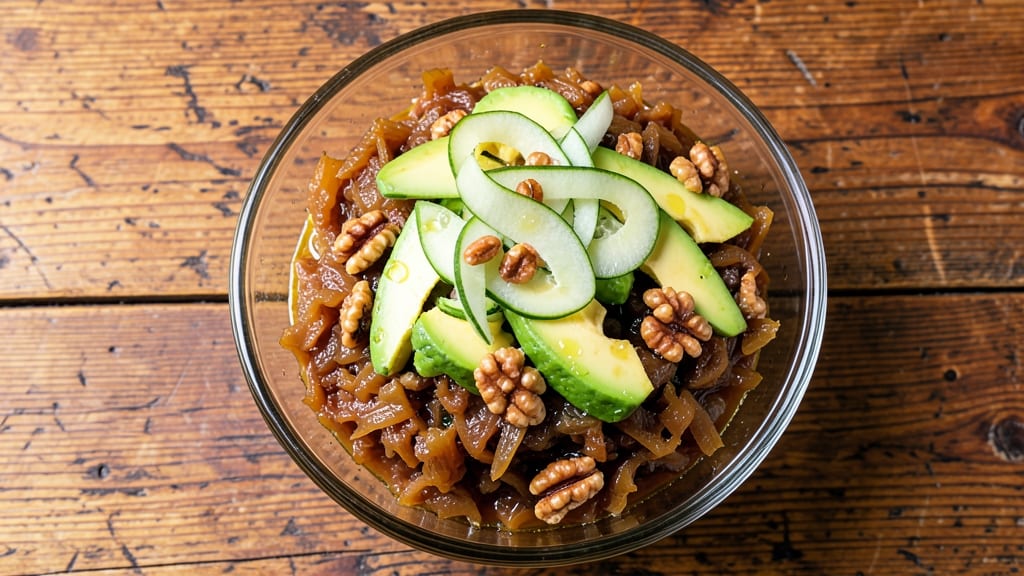
This cold sauerkraut salad recipe transforms tangy fermented cabbage into a vibrant, no-cook dish perfect for summer picnics or hearty meals. The secret lies in balancing sauerkraut's sharp flavor with creamy avocado, crunchy nuts, and a bright citrus dressing—no prep required beyond chopping.
I developed this recipe after realizing how versatile sauerkraut could be beyond just a side dish.
The beauty of this salad is its adaptability—it works as a standalone vegetarian main or pairs beautifully with grilled meats. The dressing, made with lemon juice and olive oil, cuts through the sauerkraut's tang while highlighting its natural probiotic benefits.
Add toasted walnuts for crunch and a sprinkle of fresh dill for freshness, and you’ve got a dish that’s equal parts traditional and modern.
What makes this recipe stand out is the zero-prep approach—just mix, chill, and serve. The sauerkraut’s fermentation process does all the work, delivering probiotics and flavor without any cooking.
It’s the kind of dish that gets better as it sits, with flavors melding beautifully over time. Perfect for meal prep or last-minute gatherings.
Serve this salad as a refreshing side with roasted chicken or as a hearty vegetarian bowl with quinoa. The contrast of textures—creamy avocado, crisp nuts, and tangy sauerkraut—makes every bite satisfying. Let’s get started!
Ingredients for cold sauerkraut salad
Fermented cabbage, creamy avocado, and citrus dressing create a vibrant, no-cook vegetarian salad perfect for summer meals.
| Ingredient | Amount | Notes |
|---|---|---|
| Sauerkraut 🥬 | 2 cups | Unrinsed, with juice preserved |
| Ripe Avocados 🥑 | 2 whole | Pitted, flesh scooped |
| English Cucumber 🥒 | 1 whole | Seedless, finely diced |
| Lemon Juice 🍋 | ¼ cup | Freshly squeezed |
| Extra-Virgin Olive Oil 🫒 | ½ cup | Light, fruity variety |
| Walnuts 🌰 | ½ cup | Toasted, roughly chopped |
| Fresh Dill 🌿 | ¼ cup | Chopped, stems removed |
| Garlic Cloves 🧄 | 3 cloves | Minced, for dressing |
| Diamond Crystal Kosher Salt 🧂 | 1 ½ tsp | To taste, adjust carefully |
| Black Peppercorns 🌶️ | ½ tsp | Freshly cracked |
| Red Wine Vinegar 🍷 | 1 tbsp | For dressing acidity |
| Honey 🍯 | 1 tbsp | Raw, for dressing sweetness |
| Quinoa 🌾 | ½ cup | Cooked, optional base |
The sauerkraut is the foundation—look for jars with visible bubbles, indicating active fermentation. Trader Joe's and Whole Foods carry high-quality brands like Bubbies or Green Goddess, which have a tangy yet balanced flavor. Avoid pre-rinsed sauerkraut, as the juice is essential for probiotics and moisture. For extra crunch, lightly toast the walnuts in a dry skillet until fragrant (2-3 minutes), then chop while still warm. The avocados should yield slightly when pressed—ripe but firm ensures creamy texture without browning during prep. Fresh dill adds brightness; if unavailable, dried dill at one-third the amount works in a pinch.
No honey? Maple syrup provides a similar depth, though with a distinct earthy note. Substitute red wine vinegar with apple cider vinegar for a milder tang, or lemon juice if you prefer. For a nut-free version, swap walnuts for toasted pumpkin seeds or crumbled feta cheese (if vegetarian). The dressing can be made ahead and stored in the fridge for up to 5 days, though the avocado should be added just before serving. If quinoa feels excessive, swap for cooked farro or brown rice for a heartier base. The cucumber’s seedless variety ensures a cleaner texture—English cucumbers are ideal, but Persian cucumbers work if diced finely.
This salad thrives when assembled 1-2 hours before serving, allowing flavors to meld. Store components separately in airtight containers: sauerkraut with juice, avocado lightly coated in lemon juice, and dressing in a separate jar. Refrigerate for up to 3 days, though avocado may darken—sprinkle with extra lemon juice to preserve color. For meal prep, toast the walnuts and store them separately to maintain crispness. Serve chilled or at room temperature, paired with grilled proteins or as a standalone vegetarian bowl. The dressing keeps for 1 week in the fridge if stored separately from the avocado.
Why You'll Love This Recipe
- No-Chop Needed: I swear, this salad takes less effort than deciding what to eat. Just drain the sauerkraut, slice the cucumber into thick rounds, and mash the avocado—no food processor, no fuss.
- Tangy-Creamy Magic: That first bite? The sharp lemon cuts through the richness of the avocado while the sauerkraut’s funk adds this weirdly addictive depth. Honestly, it’s the kind of flavor that makes you pause mid-bite.
- Picnic-Proof Perfection: Pack it in a jar for lunch, bring it to a BBQ, or serve it at a potluck. The dressing clings to everything, so it stays fresh and vibrant—no soggy greens here.
- Budget Bright Spot: Sauerkraut and cucumbers last ages, and one avocado stretches across meals. I’ll be real: this salad saved me from takeout more times than I can count.
Step-by-step instructions for cold sauerkraut salad
Assemble this vibrant salad in minutes with bold flavors and zero cooking required.
Prepare the Base Ingredients
Drain the 2 cups sauerkraut but preserve 1 tablespoon of its tangy juice in a small bowl. Rinse the sauerkraut quickly under cold water only if it's too sour for your taste, but I prefer the full fermented flavor. Drain thoroughly in a colander for 5 minutes to remove excess moisture while keeping the texture intact.
Cut the 2 whole ripe avocados in half, remove the pits, and scoop the flesh directly into a large mixing bowl. Use a spoon to gently press the avocado against the bowl's sides to create a smooth, creamy base. The avocado's healthy fats will help balance the salad's acidity and create a luxurious texture.
Peel and finely dice the 1 whole English cucumber using a sharp knife. Remove the seeds if present, then cut the flesh into ⅛-inch cubes for even distribution throughout the salad. Sprinkle the diced cucumber over the avocado and set aside while you prepare the remaining ingredients.
Toast the Walnuts and Chop the Dill
Spread the 0.5 cup walnuts on a dry baking sheet and toast in a 350°F oven for 8-10 minutes until fragrant and lightly golden. Watch them closely—they burn quickly. Let them cool completely before roughly chopping with a knife or pulse briefly in a food processor for texture contrast.
While the walnuts toast, finely chop the 0.25 cup fresh dill, removing stems for the cleanest flavor. The bright, herbal notes will cut through the richness of the avocado and complement the fermented tang of the sauerkraut. Store the chopped dill in a small bowl until ready to combine.
Make the Dressing
In a separate bowl, whisk together the 0.25 cup lemon juice, 0.5 cup extra-virgin olive oil, 1 tablespoon red wine vinegar, 1 tablespoon honey, 1.5 teaspoons diamond crystal kosher salt, and 0.5 teaspoon freshly cracked black peppercorns. The dressing should emulsify into a smooth, slightly thick vinaigrette—if it separates, whisk more vigorously or add 1 teaspoon water to help bind it.
Add the 3 minced garlic cloves to the dressing and let it sit for 5 minutes to infuse before using. This brief marinating step ensures the garlic's flavor melds completely with the other components, preventing a raw or overpowering taste. The dressing should have a bright, balanced flavor with a perfect ratio of sweet, tangy, and savory notes.
Combine All Ingredients
Gently fold the drained sauerkraut and cucumber into the avocado mixture using a large spoon. Work quickly to prevent browning—this is where the preserved sauerkraut juice comes in handy. Add 1 tablespoon of the reserved sauerkraut juice to the bowl and toss everything together to distribute evenly.
Pour the dressing over the salad and toss again, coating every ingredient lightly. Sprinkle the toasted walnuts and chopped dill over the top, then gently fold them in just until combined. The texture should be vibrant with pockets of creamy avocado, crunchy cucumber, and tender walnuts. Taste and adjust seasoning—you may need an additional pinch of salt or a drizzle of dressing to perfect the balance.
Serve and Store
Transfer the salad to a serving platter and let it rest for 10 minutes at room temperature. This brief pause allows the flavors to meld and the textures to settle, ensuring each bite delivers a harmonious combination of tangy, creamy, and crunchy elements.
For an optional base, spread the 0.5 cup cooked quinoa on a plate and top with the salad. The quinoa adds a neutral canvas that soaks up any excess dressing while providing a satisfying bite. Serve immediately or store in an airtight container in the refrigerator for up to 2 days, though the avocado may darken slightly over time—just toss with a splash of lemon juice before serving to restore brightness.
Pro Tips For Making Cold Sauerkraut Salad
- RINSE THE KRAUT FIRST: I learned this the hard way—skipping the rinse makes the salad taste like a pickle jar exploded. Drain the sauerkraut, then give it a quick cold-water rinse (10 seconds max) to mellow the acidity. Pat it thoroughly dry afterward—wet kraut makes the salad soggy, and nobody wants a watery avocado situation.
- SLICE AVOCADOS LAST MINUTE: Avocados turn brown faster than a forgotten pot on the stove. Keep them whole until you’re ready to serve, then slice them just before assembling. Toss the slices with a tiny splash of lemon juice (½ teaspoon) and a pinch of salt—they’ll stay bright and hold their shape longer.
- DICE CUCUMBER SMALL: Big, uneven chunks of cucumber look lazy and make the salad uneven. Cut the English cucumber into ¼-inch dice—small enough to eat without chewing like a horse, but not so fine it turns into a mushy mess. Toss the pieces with a pinch of salt immediately to draw out excess water.
- LET THE DRESSING REST: Mixing the lemon juice and olive oil right before tossing is a rookie move. Combine them in a small bowl and let the dressing sit for 5 minutes—this lets the flavors meld. The acidity mellows slightly, and the oil emulsifies better, so the avocado doesn’t get a harsh lemon punch. (Yes, even if you’re impatient like me.)
Make-ahead tips for leftovers
Prep Ahead Strategy
Assemble this salad 24 hours in advance—it tastes even better after flavors meld. Store the dressing separately in a sealed jar and keep the sauerkraut, avocado, and cucumber in individual airtight containers.
The avocado will darken slightly, but a quick toss with 1 tablespoon lemon juice before serving restores its vibrant color. This approach saves time and ensures perfect texture when ready to eat. 💡
Dressing Prep
Make the dressing 3 days ahead and store it in the fridge. The flavors deepen over time, and the garlic fully infuses. Shake or whisk before using to re-emulsify. I like to double the batch—it’s perfect for other salads or as a marinade for grilled proteins. Just
Component Storage
Toast the walnuts and store them in a sealed container at room temperature for up to 1 week. Keep the chopped dill refrigerated in a small airtight container with a paper towel to absorb moisture. The quinoa base, if using, can be cooked and stored separately for 4 days. Assemble everything just before serving to maintain crispness. ❄️
Portioning Tips
Divide the salad into meal-prep containers for easy grab-and-go lunches. Use 1-cup portions per container and store in the fridge for up to 3 days. Pack the dressing separately and add it just before eating to prevent sogginess. This works perfectly for work lunches or picnics—no reheating required! 📅
Flavor Boost
Add a pinch of smoked paprika or everything bagel seasoning when tossing the salad just before serving. These spices add depth and complement the tangy sauerkraut beautifully. I also like a sprinkle of crumbled feta for extra creaminess if I’m not keeping it fully vegetarian. 🌶️
Freezer Option
While avocado doesn’t freeze well, you can prep all components except the avocado and store them frozen. Keep the sauerkraut, cucumber, and nuts in a sealed bag for up to 1 month.
When ready to serve, mix with fresh avocado and dressing. This works great for batch cooking when you know you’ll have leftovers. ❄️
Nutrition facts
Frequently asked questions
Can I use store-bought sauerkraut for this recipe?
Store-bought sauerkraut works perfectly—just choose a brand with visible bubbles and a tangy flavor. Look for unpasteurized varieties like Bubbies or Green Goddess for the best probiotic benefits and authentic taste. Avoid pre-rinsed sauerkraut, as the juice is key for moisture and flavor balance.
How do I prevent the avocado from browning in the salad?
Toss the avocado with 1 tablespoon lemon juice immediately after scooping it into the bowl. For extra protection, sprinkle a pinch of salt on top, which also helps preserve color. Work quickly when combining ingredients to minimize air exposure. If browning occurs later, simply add more lemon juice before serving.
What can I substitute if I don’t have walnuts?
Try toasted pecans, almonds, or pumpkin seeds for crunch. For a nut-free option, use crumbled feta cheese (if vegetarian) or toasted breadcrumbs. If you prefer seeds, sunflower seeds add a milder flavor. Toast any substitute for 2-3 minutes at 350°F to enhance their natural oils and flavor.
Can I make this salad ahead of time?
Yes! Assemble the salad 24 hours in advance—flavors meld beautifully when chilled. Store components separately: sauerkraut with juice, avocado with lemon juice, and dressing in a jar. Refrigerate for up to 3 days, then toss everything together just before serving. The avocado may darken, but lemon juice revives its color instantly.
Is this salad gluten-free or dairy-free?
The base recipe is naturally gluten-free and dairy-free! Just ensure your sauerkraut has no added gluten (check labels) and use certified gluten-free quinoa if adding it. The dressing is also safe for both diets. For extra assurance, verify all ingredients—especially vinegars and honey—if you have severe allergies.