
Salads
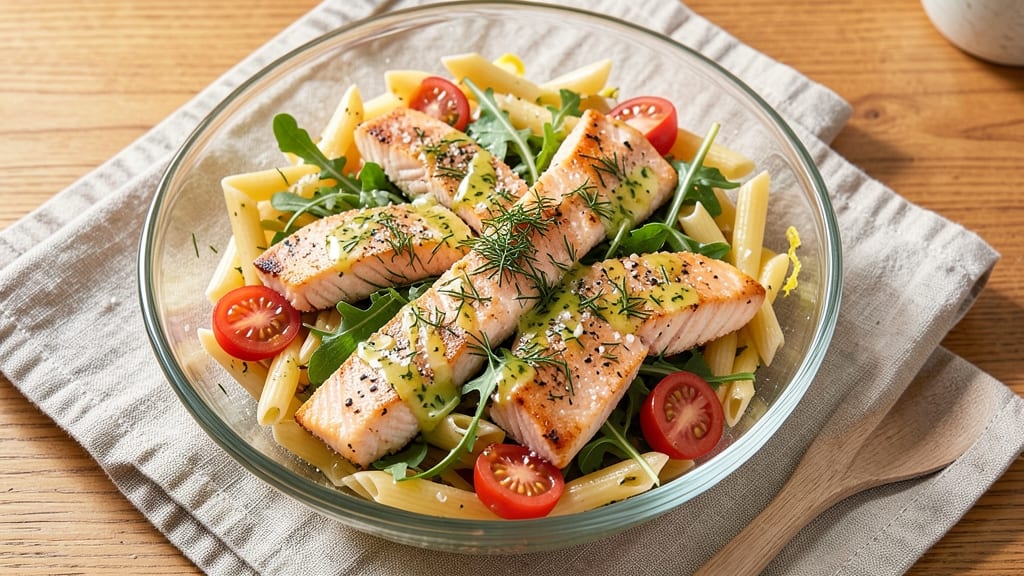
This cold salmon pasta salad delivers restaurant-quality flavor without a single clingy mayo in sight. The secret lies in a bright lemon-dill dressing that clings to every bite while keeping ingredients crisp and fresh.
I developed this recipe after realizing most cold pasta salads either turn soggy or rely on heavy dressings that weigh down the dish.
The foundation is perfectly cooked salmon—either poached for delicate flakes or seared for a crispy exterior—paired with al dente pasta that holds up to chilling. Fresh dill, lemon zest, and a touch of Dijon mustard create a dressing that brightens every ingredient without overpowering them.
This isn't just a side dish; it's a complete, protein-packed meal that comes together in under 30 minutes.
What makes this salad special is how the flavors develop when chilled—the lemon dressing intensifies, the salmon stays moist, and the pasta maintains its bite. The result is a refreshing, satisfying dish that's ideal for picnics, potlucks, or a light weeknight dinner. No reheating required; just assemble and enjoy.
Best of all, it keeps beautifully in the fridge for up to 3 days, making it perfect for meal prep. The key is storing the dressing separately until serving to maintain crispness. Let's make this salad!
Ingredients for cold salmon pasta salad
Sixteen ingredients transform into a restaurant-worthy cold salmon pasta salad with vibrant lemon-dill dressing.
| Ingredient | Amount | Notes |
|---|---|---|
| Salmon Fillets 🐟 | 1 ½ lb | Skin-on, center-cut preferred |
| Penne Pasta 🍝 | 12 oz | Al dente, cooked and cooled |
| Fresh Dill 🌿 | ½ cup | Chopped, stems removed |
| Lemon Zest 🍋 | 1 tbsp | Finely grated, organic preferred |
| Fresh Lemon Juice 🍋 | ½ cup | Strained, no pulp |
| Extra-Virgin Olive Oil 🫒 | ½ cup | Light, fruity variety |
| Dijon Mustard 🥫 | 1 tbsp | High-quality, smooth |
| Red Bell Pepper 🌶️ | 1 whole | Diced, seeds removed |
| Cucumber 🥒 | 1 whole | English or Persian, sliced |
| Cherry Tomatoes 🍅 | 1 pint | Halved, seeds removed |
| Red Onion 🧅 | 1 whole | Thinly sliced, white rings only |
| Capers 🍈 | 1 tbsp | Chopped, nonpareils preferred |
| Kosher Salt 🧂 | 1 ½ tsp | Diamond Crystal preferred |
| Freshly Ground Black Pepper 🌶️ | ½ tsp | Cracked peppercorns |
| White Wine Vinegar 🍷 | 1 tbsp | Dry, aged variety |
The salmon is the star—center-cut fillets stay moist when chilled, while skin-on adds texture. Wild-caught Alaskan from the seafood counter delivers superior flavor, though farmed works too. For perfect texture, poach gently in court bouillon (white wine, lemon, herbs) or sear skin-side down first. The fresh dill should be bright green with no wilting; store-bought often lacks potency, so consider a small bunch from the market. Penne pasta is ideal—its ridges hold dressing better than smooth varieties, and barilla or de cecco brands cook most evenly.
No fresh dill? Dried at one-third the amount works, but the flavor won't be the same. Substitute tarragon or parsley if needed, though dill's anise notes are essential. Cherry tomatoes can be swapped for heirloom varieties if you prefer, but their sweetness balances the acidity perfectly. The red bell pepper adds color and crunch—roast it first for deeper flavor if you're ambitious. For the dressing, substitute apple cider vinegar if white wine vinegar isn't available, though the tang will differ slightly. The capers are non-negotiable for that briny punch, but omit if avoiding sodium.
Salmon should be cooked and cooled completely before assembling—store it in the fridge for 1-2 hours to ensure it's fully chilled. The dressing keeps separately for up to 5 days in an airtight container, allowing you to add it fresh before serving. For meal prep, portion the salad into containers with dressing on the side—this prevents sogginess and keeps the pasta al dente. The entire dish holds in the fridge for 3 days, though the lemon dressing may mellow slightly over time. For longer storage, freeze the dressing separately for up to 3 months—just give it a good stir before using.
Why You'll Love This Recipe
- No-Cook Salmon Shortcut: I swear by this trick—just flake the cooked salmon right into the pasta while it’s still warm. No chopping, no fuss, and the texture stays perfect. Honestly, it’s the only way I’ll eat salmon cold anymore.
- Lemon-Dill Magic: That bright lemon zest and fresh dill? It’s like a wake-up call for your taste buds. The salmon stays tender while the citrus cuts through the richness—every bite feels fresh, even the next day.
- Lunchbox Hero: Between us, this is my go-to for work lunches or picnic spreads. The penne holds up beautifully, and the flaked salmon adds protein without getting soggy. Pack it the night before, and you’ve got a meal that’s ready to impress.
- Leftovers That Don’t Suck: Most cold pasta salads turn sad after Day 1. Not this one—the lemon keeps it vibrant, and the salmon stays moist. I’ve had it for breakfast, lunch, and dinner, and it’s still spot-on. Budget-friendly, too, since you’re using leftovers creatively.
Step-by-step instructions for cold salmon pasta salad
Here's the method for a fresh, vibrant pasta salad with perfectly cooked salmon and a bright lemon-dill dressing.
Cook and Cool the Pasta Properly
Bring a large pot of water to a rolling boil and add 12 oz penne pasta along with 1.5 tsp kosher salt. Cook until 1 minute before the package indicates al dente—this ensures the pasta finishes cooking in the ice bath. Drain immediately and transfer to a large mixing bowl.
While still warm, pour 2 quarts of ice water over the pasta and stir gently. This stops the cooking process and prevents the pasta from becoming mushy. Drain again thoroughly and return to the bowl. The pasta should be completely cool before adding other ingredients—this prevents the salad from becoming watery later.
Prepare the Lemon-Dill Dressing
In a small bowl, whisk together 0.5 cup fresh lemon juice, 1 tbsp lemon zest, 0.5 cup extra-virgin olive oil, 1 tbsp Dijon mustard, 1 tbsp white wine vinegar, 0.5 tsp freshly ground black pepper, and 0.5 cup chopped fresh dill. The dressing should be smooth and emulsified—if it separates, whisk vigorously for another 30 seconds until fully combined.
Taste and adjust seasoning with additional kosher salt if needed. This dressing is the backbone of the salad, providing brightness and preventing the mayo-like cling that often happens with cold pasta salads. The acidity from the lemon and vinegar helps preserve the freshness of the ingredients for hours.
Cook the Salmon to Perfect Doneness
Season the 1.5 lb salmon fillets generously with 0.5 tsp kosher salt and 0.25 tsp freshly ground black pepper on both sides. Heat a skillet over medium-high heat and add 1 tablespoon extra-virgin olive oil. Once hot, add the salmon skin-side down and cook for 4-5 minutes until the skin is deep golden brown and crispy.
Flip the salmon and cook for another 3-4 minutes until the internal temperature reaches 140°F—this ensures the salmon is fully cooked but still moist. Transfer to a cutting board and let rest for 5 minutes before flaking into 1-inch chunks. The salmon should be tender and flaky, not dry or overcooked.
Assemble the Vegetable Components
In a separate large bowl, combine 1 whole diced red bell pepper, 1 pint halved cherry tomatoes, 1 whole sliced cucumber, and 1 whole thinly sliced red onion. Sprinkle with 0.5 tsp kosher salt and toss gently to distribute. Let sit for 10 minutes to allow the vegetables to release any excess moisture, then drain any liquid that accumulates in the bottom of the bowl.
Add the 1 tbsp chopped capers and mix lightly. The vegetables should be bright and crisp, not soggy. This step ensures the salad maintains its texture and doesn't become waterlogged, which is especially important for a cold dish that will sit before serving.
Combine All Ingredients and Chill
Add the cooled pasta, flaked salmon, and vegetable mixture to the bowl with the dressing. Gently fold everything together using a large spoon or your hands, being careful not to break the pasta or salmon into small pieces. The salad should be evenly coated with the dressing but still retain its individual components.
Transfer the salad to a serving dish and refrigerate for at least 1 hour before serving. This chilling time allows the flavors to meld and the dressing to fully coat the pasta and salmon. Serve chilled, garnished with an additional sprinkle of chopped fresh dill for a pop of color and freshness.
Pro Tips For Making Cold Salmon Pasta Salad
- Poach, Not Pan-Sear: Salmon for cold pasta salad needs to stay tender, not dry. Poach it skin-side down in simmering water with a splash of white wine (or just broth) for 8-10 minutes—until it flakes easily. I learned this the hard way after trying to sear it first; the outside overcooked before the center finished, and the texture turned rubbery in the salad. Keep the heat at a gentle simmer, not a boil, or you’ll end up with fish that falls apart like soggy cardboard.
- Dry the Pasta Thoroughly: Rinsing cooked penne under cold water might seem logical, but it strips away the starch that helps the salad cling together. Instead, drain the pasta and give it a vigorous shake in the colander to remove excess water, then toss it with a tablespoon of olive oil right away. This keeps the strands separate and prevents a mushy, gluey mess—especially important when mixing in delicate salmon later.
- Zest First, Juice Last: Add the lemon zest to the dressing before tossing with the pasta, not after. The oils in the zest dissolve better into the dressing when mixed in early, giving you brighter, more consistent flavor throughout. Save the fresh juice for the final toss—it’ll brighten the salad just before serving without making the salmon taste overly acidic. (I used to add both at once, and the lemon flavor always felt uneven.)
- Chill the Pasta Before Mixing: Let the cooked pasta cool completely before combining it with the salmon and dressing. Warm pasta absorbs liquid like a sponge, turning your salad into a sad, watery dish. Spread it on a tray and refrigerate for 20 minutes, or run it under cold water while shaking in the colander. Trust me, your future self will thank you when the texture stays perfect.
Storing and reheating this cold salmon pasta salad
Refrigerator Storage
This pasta salad keeps beautifully in the fridge for up to 3 days when stored properly. I recommend using airtight glass containers (like Pyrex or Le Creuset) to maintain freshness. Divide the dressing separately in a small jar to prevent sogginess—just toss it in right before serving.
The salmon stays moist and flaky when chilled this way, while the pasta maintains its al dente bite. 🥫
Freezer-Friendly Dressing
For longer storage, freeze the lemon-dill dressing alone in an ice cube tray or small airtight container for up to 3 months. Once thawed, give it a good stir—it might separate slightly, but whisking restores its emulsified texture.
I never freeze the fully assembled salad because the pasta can become mushy when thawed, but the dressing keeps perfectly for future use. 🧊
Reheating (If Needed)
While this salad is designed to be served cold, you can gently reheat individual components if needed. Warm the pasta in a microwave-safe bowl with 2 tbsp water for 30 seconds, then stir.
For the salmon, heat in a skillet over low heat for 1-2 minutes—just until warmed through. Never reheat the fully assembled salad, as the texture will suffer. 🔥
Make-Ahead Tips
Prep the salad one day ahead for maximum flavor development. Store all components separately in the fridge: pasta, salmon, vegetables, and dressing. When ready to serve, simply combine everything and let sit for 15 minutes to allow the dressing to coat the ingredients evenly.
This approach keeps the texture crisp and the flavors vibrant. ⏰
Portion Control
For meal prep, divide the salad into individual containers with the dressing on the side. Use quart-sized mason jars—layer the pasta at the bottom, then vegetables, and top with salmon.
When ready to eat, pour in the dressing and shake gently. This method keeps everything fresh and prevents the pasta from becoming gummy. 🍽️
Reviving Stale Salad
If your salad loses some crispness after a day or two, revive it by adding 1 tbsp fresh lemon juice and 1 tsp chopped dill. Toss gently and let sit for 10 minutes before serving.
This brightens the flavors and adds a refreshing boost. I also like adding 1 tbsp cold water to the dressing to thin it slightly if it becomes too thick after chilling. ✨
Nutrition facts
Frequently asked questions
Can I use canned salmon instead of fresh?
Canned salmon works beautifully—just drain it well and flake the chunks into 1-inch pieces. Look for wild-caught in water with no added salt. For extra flavor, mix in 1 tsp lemon zest and ½ tsp dill to compensate for the lack of freshness. Avoid salmon with skin unless you're comfortable removing it.
Why does my pasta salad get watery after chilling?
This happens when pasta isn't fully cooled before mixing or vegetables release excess moisture. Always shock pasta in ice water until completely cool, and drain veggies for 10 minutes before adding. Store dressing separately until serving to maintain crispness. For extra insurance, use farfalle or fusilli instead of penne—their shapes hold dressing better.
How do I prevent the salmon from drying out?
Cook salmon just until it reaches 140°F (not 145°F) and let it rest for 5 minutes before flaking. For extra moisture, brush fillets with 1 tsp olive oil before cooking. If using pre-cooked salmon, pat it completely dry with paper towels before adding to the salad. The lemon-dill dressing also helps keep the salmon tender when chilled.
Can I make this gluten-free?
Yes! Swap regular pasta for gluten-free penne (like Barilla GF or Jovial) and check labels on Dijon mustard and capers for hidden gluten. Use tamari instead of soy sauce if adding it. The recipe maintains its texture and flavor perfectly with these substitutions. Just cook GF pasta 1 minute less than package instructions to avoid mushiness.
What's the best pasta shape for this recipe?
Penne, farfalle, or fusilli work best—their ridges and shapes help the dressing cling without making the salad soggy. Avoid smooth varieties like spaghetti or angel hair, which can become mushy when chilled. For extra texture, try rotini or gemelli, but stick with 12 oz dry weight for proper proportions.