
Salads
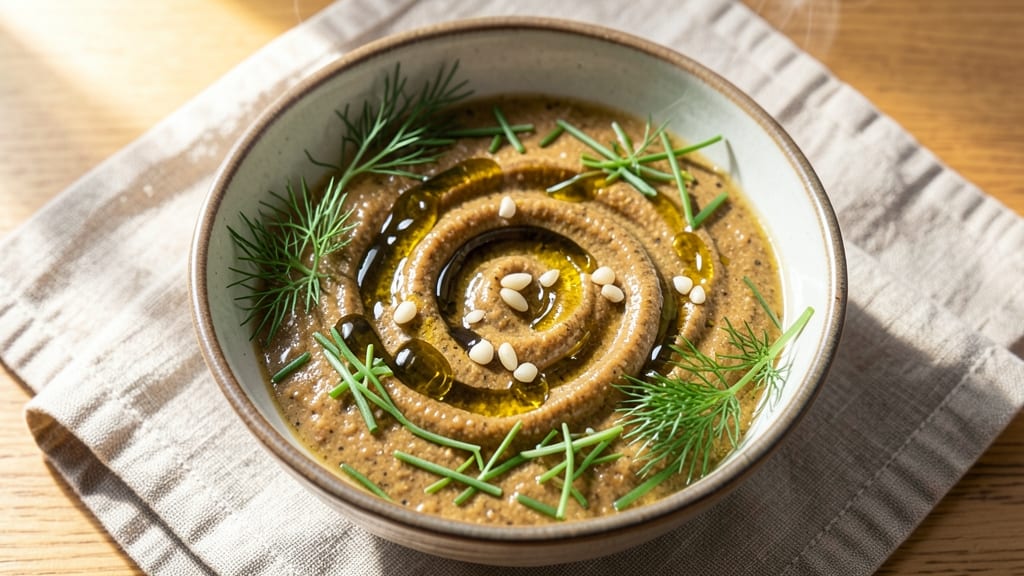
This cold salad dressing recipe transforms fresh greens into vibrant, flavorful bites without the heavy mayo cling. 💛 The secret lies in a perfectly balanced blend of citrus, herbs, and olive oil that clings to lettuce without weighing it down—ideal for summer salads where lightness matters most.
Unlike traditional creamy dressings, this version stays fresh for days in the fridge, making it perfect for meal prep.
The foundation of this dressing is a simple yet effective emulsion technique that keeps ingredients suspended without separation. You'll combine bright lemon juice, tangy Dijon mustard, and fresh herbs with a smooth olive oil base, creating a dressing that's both refreshing and robust.
The key is blending just long enough to emulsify—no heavy whipping required.
What makes this dressing stand out is its versatility. It works beautifully with crisp romaine, arugula, or mixed greens, and pairs equally well with grilled chicken, roasted vegetables, or fresh fruit salads.
The citrus notes cut through rich ingredients while the herbs add depth, ensuring every bite is balanced and satisfying.
Store it in an airtight container for up to five days, or make a double batch to have on hand for quick, healthy meals. The dressing's light texture and bright flavors make it a game-changer for anyone looking to elevate their salads without the heaviness of traditional creamy options.
Ingredients for cold salad dressing
Nine simple ingredients create this light, vibrant dressing that clings beautifully to greens.
| Ingredient | Amount | Notes |
|---|---|---|
| Extra-Virgin Olive Oil 🫒 | ¾ cup | High-quality, fruity variety preferred |
| Fresh Lemon Juice 🍋 | ½ cup | Freshly squeezed, no pulp |
| Dijon Mustard 🥫 | 1 tbsp | Mild or hot variety works |
| Fresh Dill 🌿 | ¼ cup | Chopped, stems removed |
| Fresh Chives 🌱 | ¼ cup | Finely chopped, mild flavor |
| Garlic Cloves 🧄 | 2 cloves | Minced, fresh for best flavor |
| Honey 🍯 | 1 tbsp | Light or wildflower preferred |
| Salt 🧂 | ½ tsp | Diamond Crystal kosher salt |
| Black Pepper 🌶️ | ¼ tsp | Freshly ground preferred |
| Apple Cider Vinegar 🍎 | 1 tbsp | For tangy brightness |
The olive oil is the base here, so pick a high-quality extra-virgin—look for cold-pressed labels at Whole Foods or Trader Joe's. The lemon juice should be freshly squeezed, not bottled—Eureka lemons have the best balance of sweet and tart. For the herbs, fresh is non-negotiable; dried dill or chives lose their delicate flavor. If you're short on time, store-bought fresh herbs in containers work fine, but check the stems for wilting. The Dijon mustard adds that perfect tang—Maille is my go-to, but any good brand does the trick.
No Dijon? Yellow mustard at half the amount works in a pinch, though it lacks depth. Short on fresh herbs? Dried dill at one-third the quantity can substitute, but the texture won't be as light. The honey balances the acidity—if you prefer it sweeter, add an extra half tablespoon. For a sharper kick, swap the apple cider vinegar for white wine vinegar. The garlic can be roasted for a milder flavor if you're sensitive to raw garlic's bite. Always taste as you go; the emulsion should hold together but still feel bright and fresh.
This dressing keeps beautifully in an airtight container for up to 5 days in the fridge. For longer storage, freeze it in ice cube trays—just thaw and shake before using. The emulsion might separate slightly over time, but a quick shake brings it back together. If you make a double batch, it's perfect for meal prep—pair it with grilled chicken or roasted veggies for a complete summer meal. The herbs stay vibrant for about 3 days in the fridge, so plan accordingly if prepping ahead.
Why You'll Love This Recipe
- No-Fuss Whisking: I swear by this recipe because it’s the kind of dressing that comes together while I’m still chopping veggies. Just olive oil, lemon, mustard, and herbs—no heating, no waiting. The Dijon mustard emulsifies it instantly, so no shaking required.
- Zesty Brightness: That fresh lemon juice cuts through everything like a summer breeze. The dill and chives add a bright, almost tangy freshness that makes even the simplest greens taste like a restaurant salad. Honestly, it’s the kind of flavor that makes you want to eat salads all week.
- Weeknight Magic: This dressing is my secret weapon for lazy nights. Toss it with pasta, roasted veggies, or even grilled chicken—it works everywhere. And because it keeps well for days in the fridge, I always have a backup when I forget to make dinner.
- Budget-Friendly Staple: Between us, this is one of those recipes where the ingredients don’t break the bank. A little olive oil, a lemon, and some fresh herbs stretch far, and the mustard adds depth without costing a fortune. It’s the kind of dressing that makes healthy eating feel effortless.
Step-by-step instructions for cold salad dressing
Here's how to blend vibrant, cling-free dressing that stays fresh for days.
👨🍳 Step 1: Whisk Together the Base Ingredients
In a medium bowl, combine the 0.75 cup extra-virgin olive oil with the 0.5 cup fresh lemon juice. I like to use a whisk for this step—it creates tiny air pockets that help the dressing cling better to greens. Add the 1 tablespoon Dijon mustard and whisk until fully incorporated. The mustard acts as an emulsifier, preventing separation later.
Next, add the 1 tablespoon honey and 1 tablespoon apple cider vinegar. Whisk vigorously for 30 seconds until the mixture becomes slightly thickened and glossy. This is where the dressing starts to develop its signature balance of sweet, tangy, and herby notes. Taste and adjust the sweet-tart ratio if needed—add a pinch more honey for sweetness or vinegar for acidity.
👨🍳 Step 2: Add Aromatics and Seasonings
In a separate small bowl, finely mince the 2 cloves garlic using a microplane or sharp knife. Add these to the dressing along with the 0.5 teaspoon salt and 0.25 teaspoon black pepper. Whisk everything together until the garlic is completely dissolved and the seasonings are evenly distributed. The garlic should infuse the dressing with subtle depth without overpowering.
I press the garlic through a fine-mesh sieve at this point to remove any remaining bits—this prevents gritty texture in the final dressing. The seasonings should be fully dissolved, not settled at the bottom. Give the bowl another quick taste to ensure the salt and pepper are balanced with the acidity from the lemon and vinegar.
🥘 Step 3: Fold in the Fresh Herbs
Chop the 0.25 cup fresh dill and 0.25 cup fresh chives finely—you want small, even pieces that distribute evenly throughout the dressing. Gently fold the herbs into the dressing using a rubber spatula. I do this carefully to avoid crushing the herbs, which can make the dressing bitter. The herbs should be evenly dispersed but still visible for that fresh, vibrant look.
Here's the thing—don't overmix after adding the herbs. Just a few gentle folds are enough to combine everything. The herbs will continue to infuse their flavor as the dressing sits. If you notice any oil separation after a few minutes, simply whisk it back together—this dressing is designed to be stable but still requires a quick mix before each use.
⏰ Step 4: Rest and Adjust Consistency
Cover the bowl with plastic wrap and let the dressing rest at room temperature for at least 15 minutes. This resting period allows all the flavors to meld together and the emulsifiers to work their magic. After resting, give the dressing one final whisk to ensure everything is perfectly combined.
If the dressing is too thick for your liking, gradually add 1 teaspoon of water at a time until it reaches a pourable consistency. For extra cling, you can add 1 teaspoon of xanthan gum (optional), but this step is only necessary for particularly greasy salads. The dressing should now be bright, herby, and perfectly balanced—ready to elevate any cold salad from ordinary to extraordinary.
Pro Tips For Making Cold Salad Dressing
- STIR GRADUALLY: Mix the Dijon mustard into the lemon juice first—this prevents clumps when you add the olive oil later. I used to dump everything in at once and end up with a grainy mess that no one wants to eat.
- LEMON JUICE STRAIN: Run fresh lemon juice through a fine-mesh sieve before mixing—those tiny seeds and pulp turn your dressing into a gritty disappointment. Yes, it’s extra work, but your salad will taste smoother.
- SALT THE MUSTARD: Add a pinch of salt to the Dijon before emulsifying—it balances the acidity and rounds out the flavor. I learned this the hard way after making a dressing that tasted sharp and unfinished.
- CHIVES LAST: Toss in the chives right before serving—otherwise, they’ll soften and lose their bright, crisp bite. Save them for the final stir if you want that fresh pop of color and texture.
Pro cooking tips for cold salad dressing
Emulsify Like a Pro
The key to a stable dressing lies in proper emulsification—no blender required. Start by whisking the olive oil and lemon juice together vigorously for 30 seconds before adding any other ingredients. This creates microscopic oil droplets that suspend evenly in the liquid.
The Dijon mustard acts as a natural emulsifier, but for extra stability, add ¼ teaspoon xanthan gum if you're prepping a large batch. 💡
Herb Freshness Matters
Fresh herbs make all the difference—never use dried substitutes in this dressing. For maximum flavor, pulse the dill and chives in a food processor for 2-3 seconds before folding them in.
This releases their oils without turning the dressing bitter. Store your herbs in airtight containers with a damp paper towel to preserve freshness for up to 5 days in the fridge.
Temperature Control
Work with ingredients at room temperature for best results. Cold ingredients can cause the dressing to separate. If your kitchen is chilly, let the olive oil sit out for 10 minutes before using. The same goes for the lemon juice—strained but not cold helps maintain emulsion stability.
I keep my ingredients prepped on a cutting board near the stove while I cook to maintain consistent temperatures. ⏰
Taste as You Go
Always taste your dressing at three critical points: after whisking the base, after adding seasonings, and after resting. Adjust the sweet-tart balance with more honey or vinegar as needed.
Remember that flavors deepen during resting, so don't overcorrect initially. I find that most people need slightly more acidity than they initially think—add vinegar gradually.
Storage Secrets
For maximum shelf life, store your dressing in a glass jar with a tight-sealing lid. The glass preserves flavors better than plastic. If separation occurs (which is normal), simply shake vigorously before use. For longer storage, freeze in ice cube trays—each cube makes a perfect single serving.
Thaw overnight in the fridge and shake to recombine. The dressing keeps its vibrant color and flavor for up to 3 months frozen. 🧊
Equipment Upgrades
While a whisk works perfectly fine, a handheld immersion blender creates an ultra-smooth texture. For professional results, I recommend the Ninja QW1000—it emulsifies ingredients in seconds. A fine-mesh sieve is also essential for straining out herb stems and garlic bits.
For large batches, consider a mason jar with a tight lid for easy shaking and storage.
Nutrition facts
Frequently asked questions
Why does my cold dressing separate even after whisking?
Separation happens when oil and liquid aren't properly emulsified. The Dijon mustard helps bind them, but for extra stability, whisk vigorously for 45 seconds when combining oil and lemon juice. If it still separates, add ¼ teaspoon xanthan gum or whisk in 1 teaspoon water to thin it slightly. Always store it in an airtight container to prevent air exposure.
Can I make this dressing without fresh herbs?
You can substitute with dried herbs, but the flavor won't be as bright. Use 1 teaspoon dried dill and 1 teaspoon dried chives instead of the fresh amounts, but add them after whisking the base to prevent bitterness. For best results, try growing your own herbs—even a small windowsill garden gives you fresh, flavorful leaves for this dressing.
What salads pair best with this light dressing?
This dressing shines with crisp greens like romaine, arugula, or butter lettuce, but it also works beautifully with grilled chicken salads, roasted vegetable bowls, and even fruit salads. The citrus notes complement berries or melon, while the herby flavor balances rich proteins. For extra cling, toss the salad just before serving—this dressing holds up best when used fresh.
How do I adjust the flavor if it's too sweet or tart?
Start by tasting after the initial whisking. For more sweetness, add ½ teaspoon honey at a time. For extra tang, increase the vinegar by ½ teaspoon increments. Remember flavors deepen during resting, so adjust gradually. If you overshoot, you can't easily fix it—measure carefully! The ideal balance should be bright with a lingering herbal finish.
Is this dressing safe to eat if it's been in the fridge for a week?
For food safety, use it within 5 days of making it. After that, the quality declines even if it looks fine. If you notice any off smells or mold, discard it immediately. For longer storage, freeze in ice cube trays—each cube keeps for 3 months and makes a perfect single serving. Always thaw in the fridge, not at room temperature.