
Salads
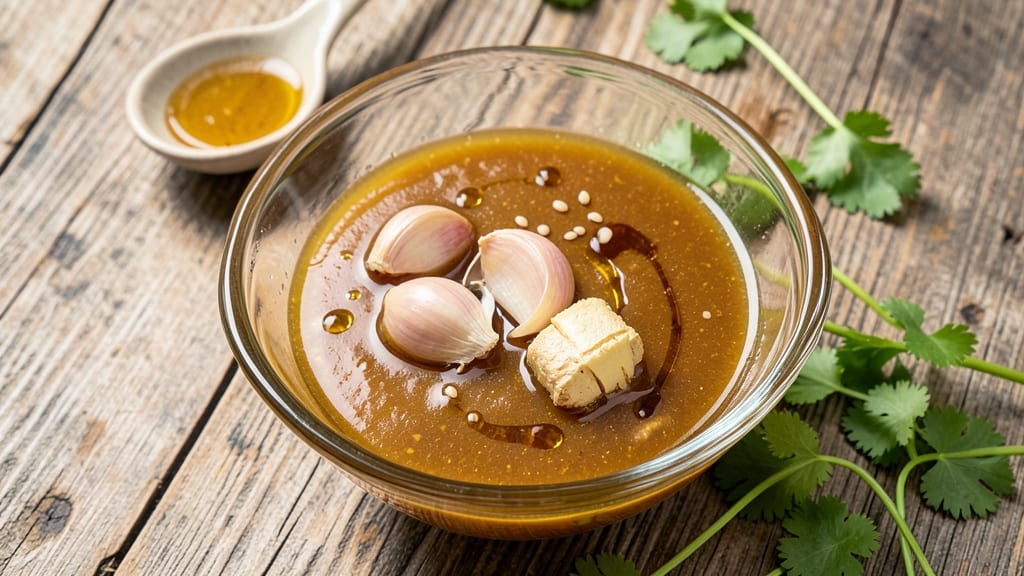
This coconut aminos salad dressing transforms simple greens into a flavor explosion with its savory-sweet umami depth. 🌟 The secret lies in balancing coconut aminos with rice vinegar and sesame oil, creating a dressing that clings perfectly to salads, wraps, or grain bowls without overpowering.
What sets this apart is its versatility—it works as a marinade, dipping sauce, or finishing glaze while staying light enough for fresh spring salads.
The recipe relies on simple pantry staples: coconut aminos for that signature umami kick, rice vinegar for brightness, and toasted sesame oil for aroma. A touch of garlic and ginger adds complexity, while fresh herbs like cilantro or basil introduce freshness.
The texture is silky yet clings beautifully, making every bite cohesive and satisfying. Best of all, it keeps well in the fridge for up to a week, ready to elevate any meal.
What makes this dressing truly special is its ability to adapt—toss it with Asian-inspired slaws, drizzle over roasted vegetables, or use it as a marinade for tofu or chicken. The flavor profile is bold yet balanced, with the coconut aminos providing depth without being overpowering.
It’s the kind of dressing that turns a simple lunch into a restaurant-worthy experience, all while being quick to make and easy to store.
For those watching their sodium intake, this dressing is a game-changer—coconut aminos offer a lower-sodium alternative to soy sauce while delivering the same rich, savory punch.
Whether you're meal prepping for the week or whipping up a last-minute salad, this dressing is your new go-to for adding bold Asian flavors to any dish. Let’s make it!
Ingredients for coconut aminos salad dressing
Eight simple ingredients create this umami-packed dressing that elevates any salad or dish.
| Ingredient | Amount | Notes |
|---|---|---|
| Coconut Aminos 🥄 | ½ cup | Lower-sodium soy sauce alternative |
| Rice Vinegar 🍶 | ¼ cup | White or seasoned variety |
| Toasted Sesame Oil 🫒 | 1 tbsp | For authentic aroma |
| Fresh Garlic Cloves 🧄 | 2 cloves | Minced for depth |
| Fresh Ginger 🌿 | 1 tbsp | Finely grated, not powdered |
| Maple Syrup 🍯 | 1 tbsp | For subtle sweetness |
| Fresh Cilantro Leaves 🌿 | ¼ cup | Chopped, stems removed |
| Water 💧 | ¼ cup | To thin consistency |
| Sesame Seeds 🌰 | 1 tsp | Toasted for garnish |
| Sea Salt 🧂 | ½ tsp | Adjust to taste |
Coconut aminos are the star here—look for brands like Tyers or Coconut Secret in the Asian foods aisle. The rice vinegar should smell bright and tangy (none of that funky stuff). For sesame oil, Kadoya or La Choy are solid choices, but any toasted variety works. Fresh ginger and garlic are non-negotiable—they bring that authentic Asian punch. I always grab extra ginger because it keeps for weeks in the freezer. The cilantro? Fresh is best, but dried works in a pinch (use half the amount).
No coconut aminos? Low-sodium soy sauce is a direct swap, but you'll lose that coconut depth. Short on sesame oil? Avocado oil or neutral oil works, but toast it first in a dry pan for 30 seconds to mimic the aroma. Powdered ginger? Use half the amount—it's way more concentrated. The maple syrup can be swapped for agave or even a pinch of sugar if you're avoiding syrup. For a spicier kick, add a dash of sriracha or chili flakes. The water is key—start with less, then add more until it's pourable but still clings to greens.
This dressing keeps beautifully—1 week in the fridge in a sealed jar. For longer storage, freeze in ice cube trays and transfer to a bag. Shake before using. It thickens when chilled, so give it a quick stir. Garnish with toasted sesame seeds right before serving for extra crunch. Double the batch—you'll want it on everything. I keep a jar in my fridge at all times for quick salad upgrades.
Why You'll Love This Recipe
- Five-Ingredient Magic: I swear by this combo—just coconut aminos, rice vinegar, sesame oil, and a quick minced garlic/ginger dance. No fancy emulsifiers, no stress. Honestly, the hardest part is deciding which salad to drown first.
- Umami Bomb: That first hit of toasted sesame oil and coconut aminos? Chef’s kiss. The garlic and ginger sneak up on you with warmth, but the vinegar keeps it bright—like a flavor party where everyone’s invited but nobody overstays their welcome.
- Salad’s New BFF: Dressing that works for greens and roasted veggies? Yes, please. I’ve tossed it with shredded cabbage, cold noodles, even grilled chicken—no weird texture clashes. (Yes, even on a Tuesday night.)
- Leftovers That Lie: Make a big batch—it keeps for weeks in the fridge. The flavors actually deepened after day three, which is wild. Pro tip: Shake before using, because it’ll separate (but trust the process).
Step-by-step instructions for coconut aminos salad dressing
This dressing comes together in minutes—bold, tangy, and packed with umami goodness.
🍳 Step 1: Bloom the Aromatics in Toasted Sesame Oil
Heat a small skillet over low heat and add the 1 tablespoon toasted sesame oil. Once the oil is shimmering (about 1 minute), remove from heat and add the 2 cloves minced fresh garlic and 1 tablespoon finely grated fresh ginger. Let them sit for 30 seconds—you'll see the garlic turn translucent and the ginger release its bright aroma.
Here's the thing—don't let this mixture cook. Garlic burns faster than you think, and you want that fragrant, nutty depth without bitterness. The residual heat from the oil is all you need to wake up those flavors. Set this aside for now—it's the flavor foundation of your dressing.
👨🍳 Step 2: Whisk Together the Wet Ingredients
In a medium bowl, combine the 0.5 cup coconut aminos, 0.25 cup rice vinegar, and 1 tablespoon maple syrup. Add the garlic-ginger oil mixture and whisk vigorously for 30 seconds until everything is fully incorporated. You'll notice the mixture immediately takes on a rich, amber color from the coconut aminos.
This is where the magic happens—the coconut aminos bring that deep umami punch, the vinegar adds tang, and the maple syrup balances everything with just a touch of sweetness. The sesame oil carries all those aromatics throughout. Give it a taste at this point—it should be tangy, slightly sweet, and aromatic but not fully balanced yet.
🥘 Step 3: Add Water and Cilantro for Freshness
Pour in the 0.25 cup water and whisk again until fully combined. The water thins the dressing to a glossy, pourable consistency perfect for tossing salads. Now add the 0.25 cup chopped fresh cilantro leaves and stir gently—you don't want to chop up the leaves, just distribute them evenly throughout.
Here's where it gets fun—taste and adjust the seasoning. Add the 0.5 teaspoon sea salt now if needed, or hold off until the end if you want to taste the dressing before final seasoning. The cilantro adds a bright, fresh contrast to the rich umami base. If you prefer a chunkier texture, you could also blend everything briefly, but I like keeping some texture for visual appeal.
⏰ Step 4: Rest and Garnish for Perfect Texture
Let the dressing sit at room temperature for 5-10 minutes before using. This resting period allows all the flavors to meld together beautifully. While it rests, toast the 1 teaspoon sesame seeds in a dry skillet over medium heat for 1-2 minutes until they're fragrant and golden. Watch them closely—they'll darken quickly.
After resting, give the dressing one final stir. The flavors should now be perfectly balanced—tangy from the vinegar, sweet from the maple syrup, umami from the coconut aminos, and fresh from the cilantro. Drizzle over your favorite greens or use as a glaze for grilled meats. The toasted sesame seeds make a gorgeous garnish that adds both texture and aroma to every bite.
Pro Tips For Making Coconut Aminos Salad Dressing
- MINCE GARLIC FINE: After chopping three batches into uneven slivers, I learned to press the cloves flat with the side of your knife first—then slice thinly. This keeps the garlic from turning bitter and ensures it blends smoothly into the dressing instead of clumping like tiny rocks.
- GRATE GINGER SMALL: Use the smallest holes on your grater, or pulse it in a food processor for 2 seconds. Lumpy ginger ruins the texture; I’ve ruined enough dressings trying to eyeball it. A fine, almost paste-like consistency means it dissolves completely.
- WHISK IN STAGES: Add the toasted sesame oil last—just a drizzle at first—then whisk like you’re trying to win a prize. The oil separates if you dump it all in at once, and no one wants a split dressing. Start with the coconut aminos and vinegar, then work in the oil gradually.
- CHILL BEFORE USING: This isn’t optional. Let the dressing sit for at least 10 minutes after mixing, or the flavors won’t marry right. I used to pour it straight over salads and wondered why it tasted flat—now I wait, and the garlic and ginger sing instead of fight.
Regional styles of this recipe
Thai-Inspired Variations
For a Thai-inspired twist, swap the rice vinegar for 1 tablespoon lime juice and add 1 teaspoon fish sauce (or vegan fish sauce like Red Boat) for depth. Include 1 teaspoon palm sugar or 1 tablespoon maple syrup to balance the acidity.
Finish with ½ teaspoon chili flakes or a dash of Sriracha for heat. This version pairs perfectly with Thai basil, mint, and shredded carrots in a summer salad. 🌶️
Japanese-Inspired Adaptation
Transform this dressing into a Japanese-inspired ponzu-style glaze by replacing the rice vinegar with ¼ cup yuzu juice (or sub with lemon juice). Add 1 tablespoon mirin and ½ teaspoon grated daikon for a subtle crunch.
Garnish with toasted nori strips and a sprinkle of furikake for an authentic touch. This version works beautifully with cucumber, edamame, and seaweed salads.
Korean-Inspired Gochujang Twist
For a Korean-inspired kick, blend in 1 tablespoon gochujang (Korean chili paste) and ½ teaspoon toasted sesame seeds directly into the dressing. Add 1 teaspoon rice vinegar and ½ teaspoon grated pear (or apple) for natural sweetness.
This version is perfect for kimchi fried rice bowls or as a marinade for tofu and mushrooms. The gochujang adds a smoky, spicy depth that elevates any dish. 🔥
Vietnamese-Inspired Nuoc Cham Style
Create a Vietnamese-inspired dressing by replacing the rice vinegar with ¼ cup fish sauce (or vegan fish sauce) and adding 2 tablespoons lime juice. Include 1 teaspoon sugar and ½ teaspoon black pepper. Garnish with fresh mint, Thai basil, and crushed peanuts for texture.
This version is ideal for summer rolls, fresh spring rolls, or as a dipping sauce for grilled meats. The balance of sweet, salty, and tangy flavors is pure Vietnamese comfort. 🌿
Hawaiian-Inspired Tropical Twist
For a tropical Hawaiian adaptation, swap the rice vinegar for ¼ cup pineapple juice and add ½ teaspoon grated ginger and 1 teaspoon honey. Include ½ teaspoon toasted coconut flakes for a sweet, nutty aroma.
This dressing pairs wonderfully with mango, pineapple, and cucumber salads, or as a glaze for grilled pineapple and teriyaki chicken. The pineapple juice adds a bright, fruity contrast to the umami base. 🍍
Nutrition facts
Frequently asked questions
Can I make this dressing without coconut aminos?
Yes! For a similar umami profile, use low-sodium soy sauce in a 1:1 ratio, but you'll lose the subtle coconut undertones. Another option is tamari (gluten-free soy sauce) or even a mix of 1 tbsp soy sauce + 1 tsp maple syrup to mimic the sweet-savory balance. Just know the flavor will be more traditional Asian-inspired.
How long will this dressing last in the fridge?
The dressing stays fresh for up to 1 week when stored in an airtight container in the refrigerator. For longer storage, freeze in ice cube trays (up to 3 months
Why does my dressing look too thick?
This happens when the water-to-oil ratio isn't balanced. Simply add 1-2 tbsp water at a time while whisking until you reach a pourable consistency. If it's still too thick after adding water, let it sit at room temperature for 10 minutes—it often thins naturally. For a smoother texture, blend briefly (but keep some cilantro chunks for visual appeal).
What's the best way to use this dressing beyond salads?
This versatile dressing works as a marinade for tofu, grilled chicken, or shrimp (30 minutes max). Drizzle it over roasted vegetables, noodle bowls, or even as a dipping sauce for spring rolls. For extra richness, reduce it by half on the stove (simmer for 3-4 minutes) to create a glossy glaze for meats or stir-fries.
Can I make this dressing spicier?
Add ½ tsp red pepper flakes or 1 tsp sriracha for heat. For a smoky kick, include ½ tsp smoked paprika. If you love garlic, double the amount (to 4 cloves) for a more intense flavor. Always taste as you go—you can adjust the heat level to your preference.