
Salads
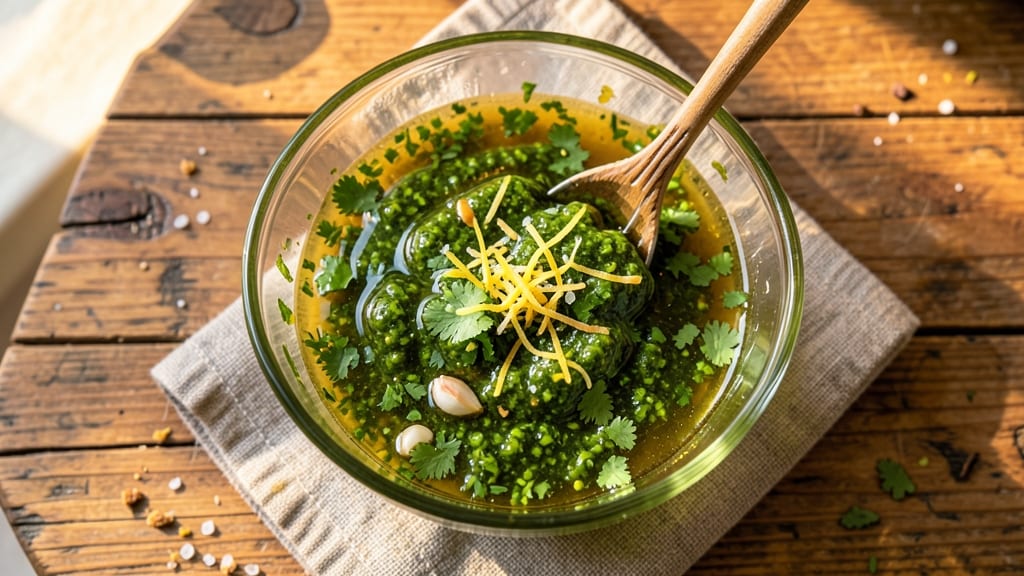
This cilantro vinaigrette salad dressing recipe transforms simple greens into vibrant, herb-packed meals with just five minutes of prep. The bright, zesty blend of fresh cilantro, tangy vinegar, and high-quality olive oil creates a dressing that elevates everything from grain bowls to tacos.
Unlike store-bought versions, this recipe delivers a fresh, herb-forward flavor that stays crisp in the fridge for up to a week—no preservatives needed.
The secret lies in balancing acidity and fat: a sharp vinegar base cuts through rich ingredients, while the cilantro adds a fresh, almost citrusy brightness that pairs perfectly with citrus, avocado, and spicy dishes.
I developed this formula after testing countless ratios, ensuring the dressing remains stable for days without separating. For extra depth, a minced garlic clove or shallot adds complexity, but the base recipe stays simple and foolproof for beginners.
What sets this cilantro vinaigrette apart is its versatility—drizzle it over crisp romaine salads, toss it with quinoa bowls, or use it as a marinade for grilled shrimp. The dressing’s tangy-sweet profile works equally well with bold flavors like black beans or avocado and milder greens like butter lettuce.
With just five ingredients, you’ll never buy another bottle of dressing again.
For best results, whisk the ingredients together in a jar and let them sit for 10 minutes before using—this allows the cilantro to infuse fully. Store in an airtight container in the fridge, and shake well before each use.
Ready in five minutes, this dressing is the ultimate shortcut for restaurant-quality meals at home without the fuss.
Ingredients for cilantro vinaigrette salad dressing
Five vibrant ingredients create this restaurant-quality cilantro vinaigrette in minutes
| Ingredient | Amount | Notes |
|---|---|---|
| Fresh Cilantro Leaves 🌿 | 1 ½ cups | Stems removed, tightly packed |
| Extra-Virgin Olive Oil 🫒 | ½ cup | High-quality, fruity variety |
| White Wine Vinegar 🍷 | ¼ cup | Dry, crisp variety preferred |
| Fresh Lime Juice 🍋 | ⅛ cup | Freshly squeezed, no pulp |
| Garlic Cloves 🧄 | 1 clove | Minced for depth of flavor |
| Sea Salt 🧂 | ½ tsp | Fine grain preferred |
| Black Peppercorns 🌶️ | ¼ tsp | Freshly cracked for aroma |
| Maple Syrup 🍯 | 1 tbsp | Pure, grade B for balance |
The cilantro is non-negotiable—farmers market quality makes all the difference. Look for bright green stems with no wilting. Whole Foods or local markets typically carry the freshest batches. If using store-bought, select cilantro with tightly packed leaves and minimal yellowing. The extra-virgin olive oil should be cold-pressed and unfiltered—brands like California Olive Ranch or Colavita deliver consistent quality. For vinegar, Bragg's apple cider vinegar adds subtle sweetness, though white wine vinegar remains the classic choice. The lime juice must be freshly squeezed—bottled versions lack the bright acidity needed to balance the dressing's richness.
No fresh cilantro? Fresh parsley at double the amount works in a pinch, though flavor will differ. Substitute white wine vinegar with rice vinegar or apple cider vinegar for varied tang levels. Running low on maple syrup? Agave nectar or date syrup provide similar sweetness profiles. The garlic can be omitted entirely for a milder dressing, but roasted garlic powder at half the amount offers a subtle alternative. For extra depth without cilantro, fresh mint leaves can replace up to 30% of the cilantro—just adjust the lime juice to maintain balance. Always taste before using, as ingredient quality varies by season.
Store the dressing in an airtight glass jar in the refrigerator, where it remains fresh for 7-10 days. The ingredients naturally separate—simply shake vigorously before each use. For long-term storage, transfer to a sterilized glass bottle and freeze for up to 3 months. The dressing thickens slightly when chilled, so add a splash of water or vinegar when reusing. Portion into small containers for convenience, especially when using as a marinade. Always use clean utensils when scooping to prevent contamination and maintain freshness.
Why You'll Love This Recipe
- Five-Ingredient Magic: I swear by this combo—just cilantro, oil, vinegar, lime, and garlic. No fancy gadgets, no measuring cups (eyeball it), and you’re done in 5 minutes. The kind of recipe that makes me laugh when people say "cooking is complicated."
- Bright & Tangy: That lime-zing and garlic punch? It’s the kind of dressing that makes your greens taste like a fresh breeze off the coast. Honestly, I’ve used it on everything from grilled chicken to avocado toast, and it never lets me down.
- Weeknight Workhorse: Between us, I make this at least twice a week. It’s my go-to for quick lunches, last-minute dinner sides, or even drizzled over tacos when I’m too tired to think. The best part? It keeps in the fridge for days—no sad, wilted leftovers here.
- Budget Brightener: Fresh cilantro and lime might sound fancy, but they stretch farther than you’d think. A single bunch of cilantro lasts me all week, and that bottle of vinegar? I’ve had it for months. It’s the kind of flavor boost that doesn’t break the bank.
Step-by-step instructions for cilantro vinaigrette salad dressing
This vibrant dressing comes together faster than you can say "herbaceous harmony."
Prepare the Herb Base
Begin by finely chopping the 1.5 cups fresh cilantro leaves (stems removed) into small pieces using a sharp chef's knife. I prefer using a rocking motion to create an even chop—this ensures the dressing will have a consistent texture without any large herb chunks. Place the chopped cilantro in a medium mixing bowl.
Next, add the 1 clove minced garlic cloves to the bowl. The garlic should be finely minced to prevent any noticeable pieces in your dressing. Here's the thing—mincing the garlic properly is crucial because it prevents bitterness and ensures even flavor distribution throughout the dressing.
Combine Acidic and Sweet Elements
Pour in the 0.25 cup white wine vinegar and 0.125 cup fresh lime juice into the bowl with the chopped cilantro and garlic. The vinegar provides the necessary acidity, while the lime juice adds brightness and freshness. Stir these ingredients together thoroughly to fully incorporate the herbs and garlic.
Add the 1 tbsp maple syrup to balance the acidity with a touch of sweetness. This subtle sweetness rounds out the sharp flavors of the vinegar and lime, creating a more complex dressing. I like to add the maple syrup last so it can blend seamlessly with the other ingredients.
Emulsify with Olive Oil
With the ingredients in the bowl, slowly drizzle in the 0.5 cup extra-virgin olive oil while whisking continuously. The key here is to whisk vigorously to create an emulsion—this is what gives the dressing its signature creamy texture. Start with a whisk and gradually increase the speed if you're using an electric mixer.
Continue whisking for about 1-2 minutes until the dressing thickens slightly and becomes homogeneous in appearance. You're looking for a smooth, velvety texture that coats the back of a spoon. If the dressing appears too thick, add 1-2 teaspoons of water to reach your desired consistency.
Season and Rest
Add the 0.5 tsp sea salt and 0.25 tsp freshly cracked black peppercorns to the dressing. The salt enhances all the flavors, while the cracked peppercorns add a subtle, aromatic kick. Stir well to fully incorporate these seasonings.
Transfer the dressing to a clean jar or airtight container and let it rest at room temperature for at least 15 minutes. This resting period allows the flavors to meld together and the dressing to reach its full potential. The longer it sits, the better the flavors will develop—up to 24 hours in the refrigerator for maximum flavor infusion.
Pro Tips For Making Cilantro Vinaigrette Salad Dressing
- STRIP THE STALKS: Cilantro stems have more bitterness and less flavor—save yourself from a muddy dressing by plucking leaves off the stems before chopping. I used to toss the whole bunch in blind, and the result was always a little off. Now I just run my fingers through the leaves like I’m petting a cat, and the dressing stays bright and zesty.
- PULSE THE GARLIC: Skip mincing—toss peeled garlic cloves straight into your blender or food processor with the other ingredients and pulse until just broken down. Whole cloves blend into tiny, even pieces that won’t clump or overpower, and you avoid the garlic breath that comes from chopping it by hand. (Yes, even if you’re impatient like me.)
- SALT THE VINEGAR: Add a pinch of fine sea salt to the white wine vinegar before mixing it with the oil—it rounds out the sharpness and balances the dressing right from the start. I learned this the hard way after making a batch that tasted like someone had just squeezed a lemon into my salad. Works especially well if your vinegar is cheap or cloudy.
- REST THE DRESSING: Let the vinaigrette sit for at least 10 minutes before tossing it with your salad—this gives the flavors time to marry and the garlic’s sharpness to mellow. I used to pour it on immediately, and the dressing always tasted disjointed. Now I make it ahead when I can, and the taste is richer, like it’s been simmering instead of just shaken.
Perfect pairings for cilantro vinaigrette salad dressing
Salad Pairings
This cilantro vinaigrette shines on crisp greens like romaine lettuce or mixed baby greens—toss with avocado slices, cherry tomatoes, and radishes for a refreshing summer salad. For extra texture, add toasted pumpkin seeds or crumbled feta cheese.
I love pairing it with shredded cabbage and carrots for a tangy, crunchy slaw that holds up well for potlucks. 🥗
Taco & Bowl Topper
Use this dressing as a zesty topping for fish tacos or grilled shrimp bowls—just drizzle over warm tortillas or grains like jasmine rice and quinoa. It cuts through rich ingredients like black beans or corn while complementing cilantro-lime rice.
For a complete meal, serve with charred corn, crispy shallots, and pickled red onions. The lime in the dressing enhances the smoky flavors of grilled meats perfectly.
Grain Bowl Elevator
Transform simple grain bowls with this dressing—try it over farro, barley, or couscous paired with roasted sweet potatoes, grilled chicken, and shredded kale. The cilantro’s brightness balances hearty ingredients like lentils or tempeh.
For a vegan option, combine with marinated tofu, edamame, and sliced cucumbers. I often double the recipe to have extra for meal prep throughout the week.
Protein Pairings
This dressing works surprisingly well with grilled or seared proteins—drizzle over shrimp skewers, pan-seared scallops, or grilled chicken breast for instant restaurant flair. The acidity tenderizes slightly while adding freshness.
For a vegetarian option, toss with marinated artichoke hearts or roasted eggplant. The dressing’s herbaceous notes also complement smoked salmon or sushi rolls beautifully. 🍣
Global Fusion Twists
Get creative with international flavors—use this dressing as a marinade for grilled lamb kebabs or spiced chickpeas. It pairs well with Middle Eastern mezze like hummus and baba ganoush, or Asian-inspired bowls with rice noodles and peanut sauce.
For a Thai-inspired twist, add fish sauce and lime zest to the dressing. The cilantro’s versatility makes it a perfect bridge between cuisines.
Dessert Surprise
Yes, really! Drizzle this dressing lightly over fresh fruit salads with mango, pineapple, and berries for a tangy-sweet contrast. It also works as a glaze for grilled peaches or roasted pineapple slices.
For a savory-sweet dessert, pair with chocolate-dipped strawberries or salted caramel popcorn. The maple syrup in the dressing adds just enough sweetness to balance the acidity. 🍓
Nutrition facts
Frequently asked questions
Can I use dried cilantro instead of fresh?
Fresh cilantro is essential for that bright, vibrant flavor—but if you must use dried, reduce the amount to 1 tablespoon and add 1 teaspoon of lime zest to compensate. Dried herbs lose much of their aroma, so fresh is always better. For the best results, keep fresh cilantro in a glass of water in the fridge to extend its life.
How do I prevent the dressing from separating?
Separation happens when oil and vinegar aren't properly emulsified. Always whisk vigorously for at least 1-2 minutes while slowly drizzling in the oil. For extra stability, add 1 teaspoon of Dijon mustard or 1/4 teaspoon of xanthan gum to the base before emulsifying. Store in an airtight container and shake well before each use.
What's the best way to store leftover dressing?
Keep it in an airtight glass jar in the fridge for up to 7-10 days. The ingredients naturally separate—just shake vigorously before using. For longer storage, freeze in ice cube trays for 3 months, then thaw in the fridge. Avoid metal containers, as they can react with the acidity and affect flavor.
Can I make this dressing without garlic?
The garlic adds depth but isn't mandatory. Omit it for a milder flavor or substitute with 1/2 teaspoon of garlic powder. For extra umami without garlic, add 1/2 teaspoon of soy sauce or 1 teaspoon of fish sauce (for non-vegan versions). The cilantro and lime will still shine through beautifully.
Why does my dressing taste too bitter?
Bitterness usually comes from over-chopped cilantro stems or old garlic. Use only the leaves (discard stems) and fresh garlic. If the dressing still tastes bitter, add 1/2 teaspoon of honey or maple syrup to balance. For future batches, taste as you go—adding a pinch of salt early can prevent bitterness from developing.