
Salads
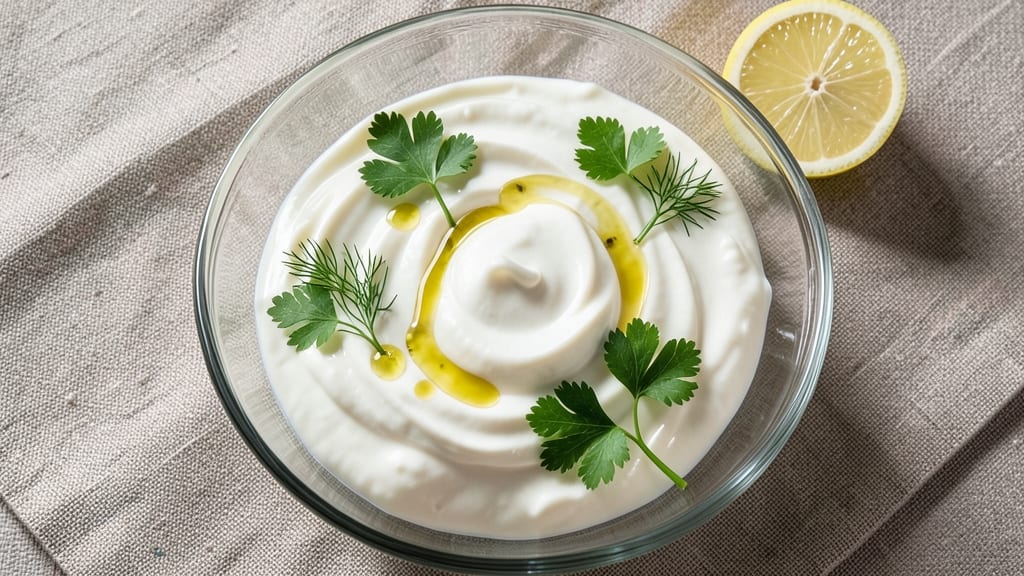
This cauliflower salad dressing recipe transforms your favorite dish with a velvety, herb-infused dressing that clings perfectly without relying on mayo. The secret lies in a blend of Greek yogurt and sour cream, which creates a rich, tangy base that pairs beautifully with the natural crunch of cauliflower florets.
I developed this recipe after struggling to find a dressing that balanced creaminess with freshness—now, every bite feels like a restaurant-quality meal.
The foundation of this dressing is simple yet powerful: Greek yogurt for protein and thickness, sour cream for richness, and a splash of lemon juice to brighten the flavors. Fresh herbs like dill and parsley add a vibrant, garden-fresh aroma, while garlic and Dijon mustard bring depth.
The dressing emulsifies effortlessly, ensuring it coats every floret evenly without turning greasy or clinging too heavily.
What sets this dressing apart is its versatility—it works equally well with raw or roasted cauliflower, and its tangy, herby profile complements both mild and bold salad ingredients. The texture is smooth yet light, avoiding the heaviness of traditional creamy dressings.
Whether you're serving it at a summer picnic or a weeknight dinner, this dressing elevates cauliflower salad to a standout dish.
For those with dietary preferences, this recipe can easily be adapted: swap Greek yogurt for coconut yogurt for a vegan version, or use dairy-free sour cream to keep it plant-based.
The result is a dressing that’s as nutritious as it is delicious, proving that healthy eating doesn’t mean sacrificing flavor. Let’s get started!
Ingredients for cauliflower salad dressing
Six creamy staples and four fresh herbs—this dressing is restaurant-quality without the fuss.
| Ingredient | Amount | Notes |
|---|---|---|
| Plain Greek Yogurt 🥛 | ¾ cup | Full-fat for creaminess, unsweetened |
| Sour Cream 🧀 | ¼ cup | Full-fat preferred for richness |
| Fresh Lemon Juice 🍋 | 2 tbsp | Freshly squeezed, no pulp |
| Extra-Virgin Olive Oil 🫒 | ½ cup | Light, fruity variety preferred |
| Fresh Dill 🌿 | ¼ cup | Chopped, stems removed |
| Fresh Flat-Leaf Parsley 🌿 | 0.15 cup | Chopped, stems removed |
| Garlic Cloves 🧄 | 2 cloves | Minced or finely grated |
| Dijon Mustard 🌶️ | 1 tbsp | High-quality, no additives |
| Granulated Sugar 🍚 | 1 tsp | Adjust to taste for sweetness |
| Kosher Salt 🧂 | ½ tsp | Diamond Crystal preferred |
The Greek yogurt is the backbone here—Fage or Chobani are my go-tos, but any full-fat, unsweetened brand works. Sour cream adds that luxurious richness, so don’t skimp on the full-fat version. Fresh herbs are non-negotiable: dill and parsley from the grocery store’s produce section (the ones still attached to the stems) always taste better than dried. If you’re buying garlic, grab the organic cloves—they’re easier to mince and have more flavor punch. For olive oil, California-based brands like Corto or Lucini give that bright, fruity note that cuts through the creaminess beautifully.
No fresh dill? Substitute with 1 tbsp dried dill, but it won’t have the same vibrancy. Out of Dijon mustard? Yellow mustard at half the amount works in a pinch, though it’ll be less complex. The sugar is purely for balance—skip it if you prefer tangier flavors, but I find it rounds out the acidity perfectly. For a vegan twist, swap the Greek yogurt for coconut yogurt and use dairy-free sour cream; the texture stays creamy, just slightly lighter. If you’re prepping ahead, store the dressing without the herbs—add them fresh just before serving to keep their bright flavor intact.
This dressing keeps like a dream: 5-6 days in the fridge sealed in an airtight jar. The herbs will soften over time, so if you’re making it ahead, reserve them until the last minute. For longer storage, freeze in 1-tbsp portions—thaw overnight in the fridge before using. It reheats beautifully too, though the texture gets slightly thicker. I always double the batch because it disappears faster than you’d think—perfect for meal prep or gifting.
Why You'll Love This Recipe
- No-Fuss Mixing: The only "cooking" is stirring—literally. I dump the Greek yogurt, sour cream, and lemon juice into a bowl, add a glug of olive oil, and a handful of chopped dill. That’s it. No whisking, no straining, no waiting for anything to simmer. Honestly, I’ve made it while scrolling through my phone.
- Bright & Tangy: The lemon juice cuts through the richness of the yogurt and sour cream like a summer breeze. That fresh dill? It adds a bright, herby punch that makes this dressing ridiculously good on everything from grilled chicken to raw veggies. It’s the kind of flavor that sticks with you—no heavy aftertaste.
- Meal Prep MVP: This dressing keeps for days in the fridge, and it’s perfect for batching. I make a big jar on Sundays and toss it into salads all week—no last-minute dressing disasters. Between us, it’s also my secret weapon for lazy potlucks. Just grab a jar and go.
- Budget-Smart Luxury: Greek yogurt and sour cream are cheap staples, and a little olive oil goes a long way. Fresh dill is the only splurge, but you can stretch it by using just enough for serious flavor. I’ll be real: this tastes like a high-end restaurant dressing, but the grocery bill says otherwise. Win-win.
Step-by-step instructions for herb-infused creamy cauliflower dressing
This dressing delivers velvety texture without mayo cling—let's blend it like a pro.
Whisk Yogurt and Sour Cream Until Smooth
In a medium bowl, combine the 0.75 cup plain Greek yogurt and 0.25 cup sour cream. Using a whisk, stir vigorously for 30 seconds until completely smooth—no lumps should remain. The full-fat versions are non-negotiable here; they create that luxurious, cling-free texture we're after.
This initial blending ensures an even base before adding any other ingredients. If you notice any graininess at this stage, strain the mixture through a fine-mesh sieve to achieve absolute silkiness. The temperature should be room temperature—cold dairy creates a thicker, less stable emulsion.
Incorporate Lemon Juice and Mustard for Tangy Foundation
Add the 2 tablespoons fresh lemon juice and 1 tablespoon Dijon mustard to the yogurt mixture. Whisk continuously for 1 minute until fully combined. The lemon juice brightens the flavors while the mustard adds depth and helps emulsify the dressing. You'll notice the mixture lighten slightly in color as the acids activate.
Here's where the magic starts—the lemon juice prevents the dressing from separating later. If you're using bottled lemon juice, strain out any pulp to avoid graininess. Taste the mixture now—it should be pleasantly tart with a hint of mustard's sharpness. This is your flavor baseline before adding the oils and herbs.
Gradually Add Olive Oil for Emulsification
With the whisk moving continuously, very slowly drizzle in the 0.5 cup extra-virgin olive oil. Add it drop by drop at first, then in a thin stream once the mixture begins to thicken. This gradual approach is crucial—adding oil too quickly causes separation. The dressing should begin to thicken noticeably as you add the oil.
I like to pause occasionally to scrape the sides of the bowl with a rubber spatula, ensuring all the oil incorporates. You're looking for a mayonnaise-like consistency where the dressing coats the back of a spoon. If it looks too thick, we'll adjust it later with a splash of water or more lemon juice. The olive oil should be at room temperature—cold oil creates a broken emulsion.
Fold in Herbs and Garlic for Fresh Herb Infusion
In a separate small bowl, finely chop the 0.25 cup fresh dill and 0.15 cup fresh flat-leaf parsley (stems removed). Add these to the dressing along with the 2 minced garlic cloves. Using a rubber spatula, gently fold everything together until the herbs are evenly distributed. The dressing should maintain its creamy texture while gaining vibrant green flecks throughout.
Here's the thing—fresh herbs make all the difference. If you're using dried herbs, reduce to 1 tablespoon each and steep in 2 tablespoons warm water for 5 minutes first. The garlic should be finely minced or grated to avoid any texture issues. Give everything one final taste and adjust the 1 teaspoon granulated sugar and 0.5 teaspoon kosher salt as needed—this balances the acidity and enhances all the flavors.
Thin and Adjust for Perfect Consistency
If the dressing is too thick, gradually add 1 teaspoon water at a time while whisking until it reaches your desired consistency. For a lighter dressing, add 1-2 tablespoons water or more lemon juice. The perfect consistency should coat the back of a spoon but still pour smoothly. Transfer to a clean jar and refrigerate for at least 30 minutes before using to let flavors meld.
This resting period allows the flavors to develop fully. The dressing will thicken slightly in the fridge, so if you prefer it thinner when serving, give it a quick whisk with 1 tablespoon water before using. For best results, use within 5-7 days when stored properly. The herb flavors will intensify over time, making this dressing even more irresistible for your cauliflower salad.
Pro Tips For Making Cauliflower Salad Dressing
- CHILL THE YOGURT FIRST: If you mix straight from the fridge, the dressing will seize up like cold butter. Let the Greek yogurt sit at room temperature for 10-15 minutes before combining—it’ll blend smoother and give that silky texture you’re after. (Yes, even if you’re impatient like me.)
- USE A MORTAR FOR DILL: Chopping fresh dill with a knife leaves behind tough stems and uneven bits. Crush the stems lightly in a mortar first, then add the leaves—this releases more flavor and keeps the dressing from looking like confetti. (Sounds weird, but it works.)
- MEASURE OIL BY WEIGHT: Eyeballing olive oil leads to either a greasy mess or a dressing that’s too thin. Use a kitchen scale—aim for about 30% of the yogurt’s weight in oil (e.g., 30g oil for 100g yogurt). This guarantees the right balance every time.
- STRAIN EXTRA LEMON JUICE: The pulp in lemon juice can turn your dressing grainy. After juicing, let it sit for 2 minutes, then strain through a fine-mesh sieve. A little extra effort here means no sandpaper texture in your salad. (Your future self will thank you.)
Essential equipment for this recipe
Whisking Essentials
You’ll need a good-quality whisk to create this dressing’s signature smooth texture. I recommend the OXO Good Grips Balloon Whisk—its flexible wires reach all corners of your bowl, and the ergonomic handle prevents wrist strain during vigorous whisking.
For smaller batches, a mini whisk (like the Norpro 10-inch) works perfectly in a ramekin. Avoid cheap, stiff whisks—they struggle with thick yogurt mixtures and leave streaks. 💫
Emulsification Tools
A medium mixing bowl with sloped sides is ideal for gradual oil incorporation. I use CorningWare stoneware because it’s non-reactive and keeps the dressing from sticking.
For the final fold, a rubber spatula (like the OXO Good Grips) is essential—its flexible edge ensures herbs and garlic blend evenly without tearing the emulsion. Pro tip: Keep a small bowl nearby for pre-chopping herbs to avoid cross-contamination.
Measurement Precision
Accurate measuring is critical for emulsification. Invest in a stainless steel measuring set (I love the OXO Good Grips) for liquids and a fine-mesh scale (like the Escali Primo) for herbs. For olive oil, use a glass measuring cup—plastic can retain odors.
The 2-tablespoon lemon juice and ½-cup olive oil must be precise; even slight variations affect the dressing’s balance. A digital scale eliminates guesswork when mincing garlic.
Storage Containers
Transfer finished dressing to an airtight glass jar with a silicone lid (like the Le Parfait) to preserve freshness. Mason jars work too, but their wide mouths expose herbs to air faster.
For portion control, freeze in 1-tablespoon silicone molds—they thaw quickly and maintain texture. Label containers with dates to track freshness; this dressing peaks within 3-4 days in the fridge. 🧂
Optional Upgrades
For a semi-homemade shortcut, use a mini food processor (like the Cuisinart Mini-Prep) to chop herbs in 10 seconds—no knife skills required. If you love garlic, a garlic press (such as the OXO Good Grips) gives you 2 cloves of finely minced garlic in seconds.
For vegan versions, a high-speed blender (like the Ninja BN601) can emulsify coconut yogurt and oil in 30 seconds—just pulse until smooth. These tools save time without sacrificing quality.
Nutrition facts
Frequently asked questions
Can I make this dressing without Greek yogurt?
For a dairy-free version, swap the Greek yogurt for 0.75 cup coconut yogurt (ensure it's unsweetened) and use 0.25 cup dairy-free sour cream. The texture will be slightly lighter but still creamy. For a vegan mayo alternative, try 0.5 cup vegan mayo combined with 0.25 cup unsweetened almond milk—this mimics the richness while keeping it plant-based.
Why does my dressing separate after making it?
Separation usually happens when oil is added too quickly or the mixture isn't whisked enough. To fix it, whisk vigorously for 1-2 minutes to re-emulsify. For prevention, ensure all ingredients are at room temperature and add oil in a very slow stream while whisking continuously. A splash of lemon juice or 1 tsp Dijon mustard can also help stabilize it.
How can I make this dressing spicier or sweeter?
For extra heat, add ½ tsp cayenne pepper or 1 tsp hot sauce after folding in the herbs. To sweeten, increase the sugar to 1.5 tsp or add 1 tsp honey/maple syrup. For a smoky twist, stir in ½ tsp smoked paprika—this works especially well with roasted cauliflower salads. Adjust gradually and taste as you go!
Will this dressing work with other vegetables besides cauliflower?
Yes! This dressing pairs beautifully with broccoli, green beans, or asparagus salads. It also works as a dip for crudités or as a marinade for grilled chicken or fish. The herby, tangy profile complements both mild and hearty vegetables equally well. For a bolder flavor, add 1 tsp capers or ½ tsp red pepper flakes to the base mixture.
Can I use this dressing on warm or cold salads?
This dressing works best on cold salads to preserve its creamy texture. For warm salads (like roasted cauliflower), let the dressing sit at room temperature for 10 minutes before tossing to prevent curdling. If the salad is very hot, whisk the dressing with 1 tbsp warm water to thin it slightly. Never microwave the dressing—this can cause separation.