
Salads
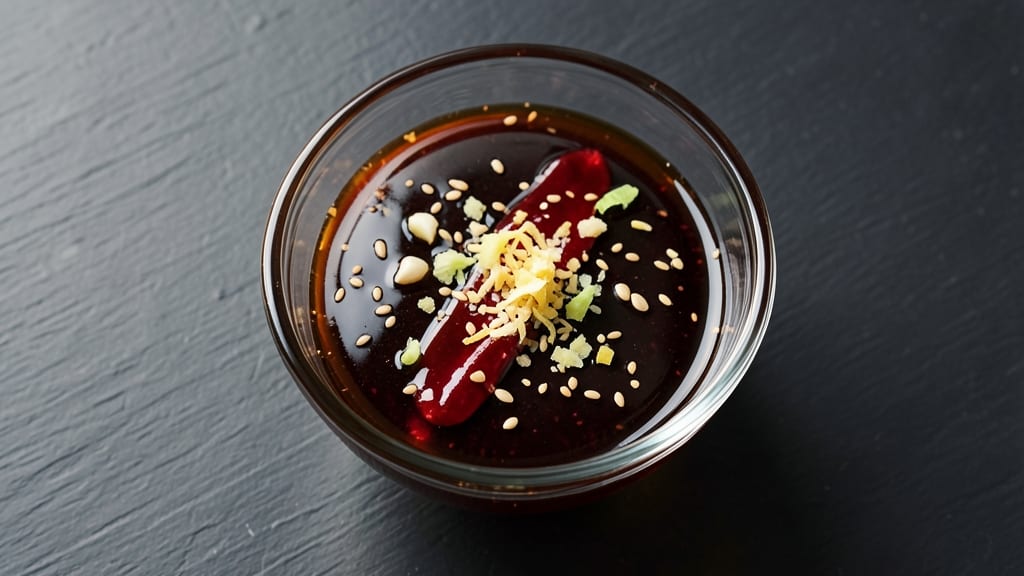
This Chinese restaurant salad dressing recipe delivers the same bold, umami-packed zing you crave without the heavy mayo cling. The secret lies in balancing soy sauce's deep savoriness with bright vinegar, aromatic sesame oil, and just enough sweetener to harmonize the flavors.
I developed this version after years of recreating that perfect restaurant dressing at home—no artificial ingredients, no cloying sweetness, just pure, layered taste in every pour.
The magic happens through careful ingredient ratios: sesame oil adds nutty depth while ginger brings a subtle warmth that cuts through richness. A touch of honey or sugar rounds out the tangy-savory base, creating that signature Chinese restaurant balance.
Unlike store-bought versions, this dressing stays vibrant for up to a week in the fridge, making it perfect for meal prep and keeping your salads restaurant-quality every time.
What makes this dressing truly special is its versatility—it elevates everything from crisp lettuce mixes to cold noodles and grilled meats. The texture is silky yet light, clinging beautifully without weighing down your dish.
Each component plays its part: the vinegar provides the tang, the soy sauce delivers umami, and the sesame oil adds that unmistakable aromatic finish.
Ready in just 5 minutes with ingredients you likely already have, this dressing transforms ordinary salads into something extraordinary. The best part? It's completely customizable—adjust the sweetness, add a dash of chili for heat, or swap honey for agave. Here's everything you need to recreate that restaurant magic at home.
Ingredients for chinese restaurant salad dressing
Nine ingredients transform simple salads into restaurant-quality masterpieces with bold sesame-ginger zing.
| Ingredient | Amount | Notes |
|---|---|---|
| Sesame Oil 🫒 | 2 tbsp | Toasted for nutty aroma |
| Rice Vinegar 🍶 | ⅓ cup | White or seasoned variety |
| Low-Sodium Soy Sauce 🍶 | ¼ cup | Kikkoman preferred |
| Fresh Ginger 🌿 | 1 tbsp | Finely grated, aromatic |
| Honey 🍯 | 1 tbsp | Or agave for vegan option |
| Garlic Cloves 🧄 | 2 cloves | Minced for subtle bite |
| Toasted Sesame Seeds 🌾 | 1 tbsp | For garnish and texture |
| Red Chili Flakes 🌶️ | ½ tsp | Adjust for heat preference |
| Cornstarch 🌾 | ½ tsp | Dissolved in 1 tsp water |
| Sesame Seeds 🌾 | 1 tsp | For final texture touch |
The sesame oil is non-negotiable—Kadoya or La Choy are my go-tos for that authentic toasted aroma. Grab the white rice vinegar from the Asian aisle (it's brighter than regular), and Kikkoman soy sauce if you want that classic umami punch. Fresh ginger needs to be vibrant and firm—skip the powdered stuff. For honey, Manuka adds extra depth, but any good-quality honey works. The garlic should be freshly minced (no pre-minced jars—they're sad). Toast your sesame seeds in a dry pan for 30 seconds until fragrant—this makes all the difference.
No sesame oil? Avocado oil in a pinch, but it won't have the same flavor. Swap honey for agave or maple syrup if you prefer. The cornstarch slurry is key for that silky texture—don't skip it. For extra heat, add more chili flakes or a dash of Sriracha. The dressing thickens as it chills, so stir in a splash of water if it gets too thick after refrigeration. Want it sweeter? Add another teaspoon of honey. Need more tang? Bump up the vinegar by 1 tsp. This is where the magic happens—play with ratios until it sings.
Store in a clean glass jar with a tight seal—keeps for up to 1 week in the fridge. The flavors actually improve after 24 hours as everything melds. For meal prep, make a double batch and keep one jar in the fridge while the other stays in the pantry for quick salads. If you've got leftovers after a week, freeze in ice cube trays for single-serving portions. The texture stays perfect when thawed—just give it a quick whisk. Trust me, you'll want to make this weekly.
Why You'll Love This Recipe
- Here’s what sold me: the way the soy sauce and honey marry with fresh ginger. It’s sweet, salty, and just a little spicy—like a hug for your taste buds. Drizzle it over cold noodles or wilted greens, and suddenly everything tastes like a late-night delivery from your favorite spot.
- No-Fuss Blend: I swear by this dressing because it’s literally five ingredients—no whisking until your arm gives out. Just toss everything in a jar, shake like you’re mad at it, and boom. That nutty sesame oil and sharp ginger cut through greasy takeout like a dream.
- Umami Bomb: Here’s what sold me: the way the soy sauce and honey marry with fresh ginger. It’s sweet, salty, and just a little spicy—like a hug for your taste buds. Drizzle it over cold noodles or wilted greens, and suddenly everything tastes like a late-night delivery from your favorite spot.
- Weeknight Hero: Between us, this is my go-to when I’m too tired to think. It works on everything—stir-fries, grilled chicken, even scrambled eggs. Honestly, I’ve used it as a marinade, a dipping sauce, and a last-minute glaze. If it can handle my chaotic weeknights, it can handle yours.
Step-by-step instructions for authentic sesame-ginger salad dressing
This dressing delivers that signature Chinese restaurant tang without a single mayo cling.
Bloom the Aromatics in Toasted Sesame Oil
Heat the 2 tablespoons sesame oil in a small saucepan over low heat until it shimmers but doesn't smoke. Add the 2 minced garlic cloves and 1 tablespoon finely grated fresh ginger, stirring constantly for 30 seconds until fragrant but not browned. Here's the thing—ginger burns faster than garlic, so watch closely. The moment you see the garlic turn golden, remove from heat immediately. This aromatic base forms the flavor foundation of the dressing.
Let the mixture cool for 5 minutes while you prepare the remaining ingredients. The oil should still retain its nutty aroma without any bitter notes. If you smell anything burnt, start over—the flavor will be off. This step is where the magic begins, so don't rush it.
Whisk Together the Wet Ingredients
In a medium bowl, combine the cooled sesame oil mixture with the ⅓ cup rice vinegar and ¼ cup low-sodium soy sauce. Whisk vigorously for 1 minute until fully incorporated. The vinegar will initially separate, but keep whisking—you're breaking down those molecules to create a smooth emulsion. I like to use a fork first to break up any clumps, then switch to a whisk for thorough blending.
Add the 1 tablespoon honey (or agave) and ½ teaspoon red chili flakes, whisking until the honey dissolves completely. Taste the mixture at this stage—you should detect bright acidity from the vinegar, umami from the soy sauce, and a subtle sweet-spicy balance. If it needs more heat, add another pinch of chili flakes. This is your flavor checkpoint before thickening.
Thicken the Dressing with Cornstarch Slurry
In a small bowl, whisk together the ½ teaspoon cornstarch with 1 teaspoon water until completely dissolved. This creates a smooth slurry that will gently thicken the dressing without making it gluey. Pour the slurry into the dressing mixture and whisk continuously for 2-3 minutes over medium-low heat (or until slightly thickened).
Watch carefully as the dressing transforms from pourable to coating consistency. It should thicken enough to lightly coat the back of a spoon but still pour smoothly. If it thickens too quickly, add 1 teaspoon water to adjust. The dressing should cling to greens but not drip excessively. Real talk: this is the moment that matters—overcooking will make it pasty, so stay attentive.
Finish and Garnish for Restaurant-Quality Texture
Remove the dressing from heat and let it cool to room temperature for 10 minutes. This resting period allows all the flavors to meld perfectly. Once cooled, stir in the 1 tablespoon toasted sesame seeds and 1 teaspoon sesame seeds for that authentic crunch and visual appeal. The seeds should be evenly distributed throughout the dressing.
For the ultimate restaurant-style presentation, transfer the dressing to a small jar or bowl and sprinkle an additional ½ teaspoon toasted sesame seeds on top. This not only looks beautiful but also adds that satisfying crunch with every dip. The dressing will keep in the refrigerator for up to 1 week, maintaining its vibrant color and perfect consistency.
Pro Tips For Making Chinese Restaurant Salad Dressing
- GRATE GINGER SMALL: Fresh ginger loses its punch fast once exposed to air, but for this dressing, you want it fine and fresh. Use the smallest holes on your grater—or a microplane—and work fast. If you’re not using it right away, toss the grated ginger into a tiny container with a splash of rice vinegar to slow oxidation (yes, even if you’re impatient like me).
- WARM SESAME OIL LAST: Sesame oil’s nutty aroma hits hardest when warm, but adding it hot to the dressing can make the whole thing taste bitter. Instead, stir it in at the very end—just a few seconds before serving—so it infuses without overpowering. Trust me, the difference is noticeable.
- DILUTE SOY SAUCE FIRST: Low-sodium soy sauce is still salty if you add it straight to the dressing. Mix 1 teaspoon with 1 tablespoon of warm water before incorporating it into the rest of the ingredients. This spreads the salt evenly and lets you taste as you go—no guessing if you’ve overdone it.
- SWEETEN WITH HONEY GRADUALLY: Honey can turn this dressing cloying if you dump it all in at once. Start with half the amount called for, taste, then add the rest a drizzle at a time. The goal is a balance of tangy, sweet, and umami—not a dessert sauce. (I learned this the hard way after making a salad that tasted like a fortune cookie filling.)
Regional styles of chinese restaurant salad dressing
Cantonese Style
This version leans into the classic Cantonese restaurant profile with a lighter touch of sweetness and more vinegar for brightness. Use 1 tbsp honey and ⅓ cup rice vinegar for that signature tangy-sweet balance.
I like to add 1 tsp grated daikon radish to the base for a subtle crunch and earthiness that mimics what you'd find in Hong Kong-style salads. The dressing should be slightly thinner than the standard recipe—just enough to coat greens without overwhelming them. 🌿
Sichuan Spicy
For a Sichuan-inspired kick, double the red chili flakes to 1 tsp and add 1 tsp Sichuan peppercorn powder (toasted and ground) for that signature numbing heat. Swap honey for 1 tbsp brown sugar to deepen the caramelized notes.
This version pairs perfectly with cucumber or chili oil salads, delivering that fiery, aromatic punch you crave. Keep the sesame oil at 1.5 tbsp to balance the intensity—too much can mute the heat. 🌶️
Shanghai Light
The Shanghai style focuses on delicate balance and freshness. Reduce the soy sauce to 2 tbsp and increase the rice vinegar to ⅓ cup + 1 tbsp for a sharper tang.
Add 1 tsp grated fresh ginger and 1 tsp minced scallions for brightness, then finish with ½ tsp white pepper instead of chili flakes. This dressing is ideal for seafood or shrimp salads, where its clean, crisp profile shines.
Store it in an airtight container to preserve its freshness—it’s best used within 5 days. ✨
Taiwanese Peanut
For a Taiwanese twist, blend 2 tbsp creamy peanut butter (unsweetened) into the base after whisking the wet ingredients. Add 1 tsp soy sauce and ½ tsp five-spice powder for depth, then adjust the honey to 2 tbsp to balance the richness.
This version is thicker and nutty, perfect for mandarin orange or peanut salads. Toast 1 tbsp crushed peanuts separately and sprinkle on top before serving for extra crunch. The peanut butter adds a velvety texture that’s totally addictive. 🥜
Northern Chinese
Northern Chinese dressings often embrace dried spices for warmth. Replace fresh ginger with ½ tsp ground star anise and ½ tsp fennel seeds (toasted), then use 2 tbsp light soy sauce instead of dark.
Add 1 tsp grated apple for a subtle sweetness that complements heartier salads like cabbage or braised pork. This version is less sweet and more savory, with a drier, grainier texture—ideal for cold noodle salads or pickled vegetable mixes. 🌰
Nutrition facts
Frequently asked questions
Why does my homemade Chinese salad dressing taste different from restaurant versions?
The key difference lies in the sesame oil quality and fresh ginger. Restaurant versions often use premium toasted sesame oil and freshly grated ginger, while store-bought substitutes may contain powdered ginger or lower-quality oils. Also, restaurant dressings are typically made fresh daily and use Kikkoman soy sauce for that authentic umami punch. Try using white rice vinegar from the Asian aisle for extra brightness.
Can I make this dressing without sesame oil?
Yes, but the flavor will be less authentic. Use avocado oil or light olive oil as a neutral substitute, but reduce to 1 tablespoon instead of 2. For extra depth, add ½ teaspoon toasted sesame paste (available in Asian markets) to the base. The nutty aroma is crucial for that restaurant-style profile, so don't skip it if possible.
How do I adjust the dressing for spicier or milder heat?
Start with the ½ teaspoon red chili flakes in the recipe as your baseline. For mild heat, reduce to ¼ teaspoon or omit completely. For extra spice, increase to 1 teaspoon and add ½ teaspoon minced fresh chili (like Thai bird's eye) or 1 teaspoon chili garlic sauce. Remember, flavors intensify after chilling, so start conservative and adjust to taste.
Can I use this dressing on non-salad dishes?
This versatile dressing elevates cold noodles, grilled meats, and even rice bowls. Try drizzling it over chilled soba noodles with cucumber, or use it as a marinade base for pork or chicken before grilling. For extra richness, thin it slightly with 1 tablespoon water before using as a dipping sauce for spring rolls or dumplings.
What's the secret to getting the perfect texture?
The cornstarch slurry is your texture secret weapon. Whisk it thoroughly with water to create a smooth paste, then heat gently while whisking continuously. For the right consistency, the dressing should coat the back of a spoon but still pour smoothly. If it thickens too much after chilling, simply whisk in 1 teaspoon water to restore balance. Pro tip: Let it rest for 10 minutes before serving—this allows all components to fully meld.