
Salads
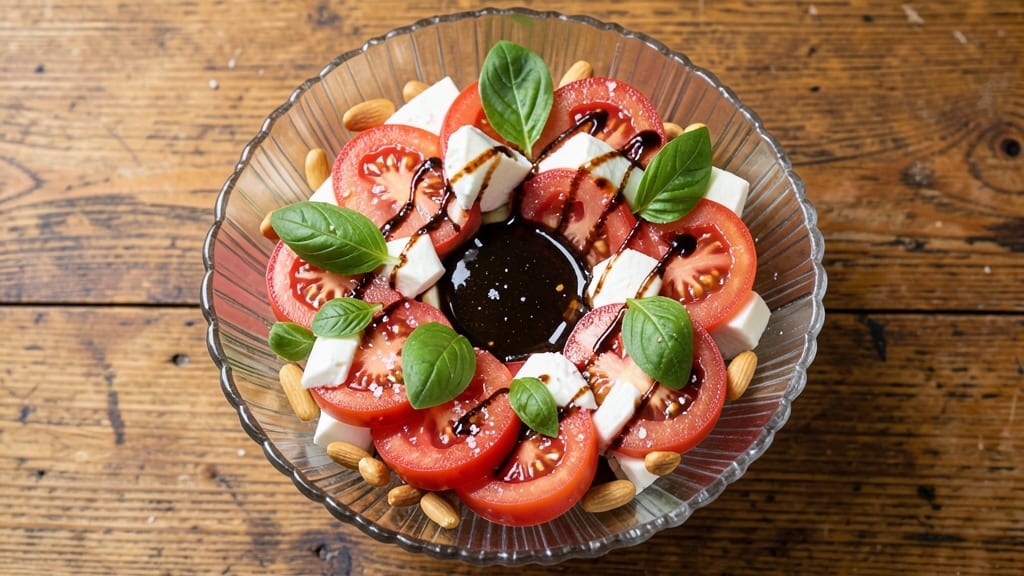
This balsamic dressing recipe transforms simple Caprese salads into something extraordinary with its bold red wine reduction and bright herbal notes. The secret lies in balancing rich balsamic vinegar with sweet honey and fresh basil, creating a sauce that's tangy yet smooth—perfect for drizzling over fresh mozzarella, tomatoes, and basil.
I've refined this recipe over years to ensure it's foolproof, with tips to avoid separation and maximize flavor.
The dressing begins with a red wine reduction—simmering balsamic vinegar until it thickens into a glossy, syrupy consistency. This concentrated flavor forms the base, then we blend in olive oil, garlic, and a touch of Dijon mustard for emulsification.
Fresh basil and black pepper add aromatic brightness, while honey balances the acidity for a harmonious finish. The result? A dressing that elevates Caprese salads from ordinary to restaurant-worthy.
What sets this recipe apart is its versatility—it works equally well on grilled vegetables, crusty bread, or even as a marinade for chicken. The sauce keeps for up to a week in the fridge, with flavors deepening over time.
For best results, whisk before each use to maintain that silky texture. Whether you're prepping for a summer picnic or a weeknight dinner, this dressing is your secret weapon.
For extra depth, add a splash of red wine or a pinch of smoked paprika to the reduction. If you prefer it sweeter, adjust the honey to taste. The key is patience—letting the balsamic reduce slowly ensures a complex, layered flavor that makes every bite unforgettable. Let's get started!
Ingredients for caprese salad balsamic dressing
Nine simple ingredients create this restaurant-worthy Caprese dressing with deep flavor.
| Ingredient | Amount | Notes |
|---|---|---|
| Balsamic Vinegar 🍷 | ½ cup | High-quality aged variety |
| Red Wine 🍷 | ¼ cup | Bold, dry red like Cabernet |
| Extra-Virgin Olive Oil 🫒 | ½ cup | Light, fruity flavor preferred |
| Fresh Basil Leaves 🌿 | ½ cup | Packed, stems removed |
| Garlic Cloves 🧄 | 2 cloves | Minced, fresh preferred |
| Honey 🍯 | 1 tbsp | Wildflower or clover variety |
| Dijon Mustard 🧂 | 1 tsp | For emulsification |
| Black Pepper 🌶️ | ½ tsp | Freshly ground preferred |
| Salt 🧂 | ¼ tsp | Kosher or sea salt |
The balsamic vinegar is the star—aged, dark stuff from the Italian section at Whole Foods or Trader Joe's gives the best depth. I always grab a small bottle of Barolo balsamic when I see it; it's worth the splurge for that glossy, syrupy texture. The red wine adds complexity, so whatever's open works—Cabernet, Merlot, even a cheap Chianti. Fresh basil is non-negotiable here; dried just won't cut it. If you're using store-bought, grab the loose-leaf kind from the produce section—it's fresher than the plastic containers.
No red wine? Substitute with extra balsamic vinegar—just use 1/4 cup total. Fresh basil wilted? Dried basil at 1/3 the amount works in a pinch, but it won't have that bright herbal punch. The Dijon mustard is key for emulsification—skip it and the dressing might separate. For extra richness, add a pinch of smoked paprika to the reduction. If you prefer it sweeter, bump the honey to 2 tbsp. The olive oil should be light and fruity—none of that strong, peppery stuff that'll overpower everything.
This dressing keeps for up to 1 week in the fridge, with flavors deepening over time. Store it in a small jar with a tight seal—the flavors meld beautifully. Give it a good whisk before each use to maintain that silky texture. For best results, reduce the balsamic slowly over medium heat—don't rush it. The longer you reduce, the more complex the flavor becomes. Leftovers? Perfect for drizzling on grilled veggies or crusty bread.
Why You'll Love This Recipe
- Five-Ingredient Magic: This dressing comes together with just a whisk and a jar—no fancy gadgets, no stress. I swear, the only real effort is measuring the olive oil, and even that’s forgiving.
- Garlic-Basil Bomb: That raw garlic clove and basil combo? It’s the secret weapon—bright, punchy, and somehow makes every bite taste like a sunlit Italian terrace. (Yes, even on a Tuesday night.)
- Dresses Anything: Toss it on Caprese, drizzle over grilled chicken, or pour it into pasta—it’s my go-to for when I’m lazy but still want flavor. Honestly, I’ve used it on avocado toast and never looked back.
- Makes Leftovers Shine: A little goes a long way, and the best part? It keeps for a week in the fridge. Next time I forget to eat, I just grab the jar and turn yesterday’s takeout into something special.
Step-by-step instructions for bold red wine balsamic dressing
This dressing brings Caprese salads to life with rich depth and bright herbal notes.
Simmer the Balsamic and Red Wine Base
Pour the 0.5 cup balsamic vinegar and 0.25 cup red wine into a small saucepan. Place it over medium-high heat and bring to a gentle boil. Let it simmer uncovered for 8-10 minutes until reduced by about half—you're looking for a thick, syrupy consistency that coats the back of a spoon.
Watch closely as it reduces; the aroma will intensify, and the color will deepen to a rich amber. If it starts to bubble vigorously, reduce the heat slightly to prevent splattering. This reduction step concentrates the flavors and removes the harsh acidity, creating a smooth, complex base for your dressing.
Add Honey and Mustard for Balance
Once the balsamic mixture has reduced, remove it from heat and let it cool for 2-3 minutes. Stir in the 1 tablespoon honey and 1 teaspoon Dijon mustard. The honey will mellow the acidity, while the mustard adds a subtle tang that helps emulsify the dressing later.
Whisk vigorously until fully combined—you should see the mixture become glossy and slightly thicker. This is where the magic happens: the honey and mustard work together to create a harmonious balance between sweet, tangy, and savory notes. Taste a small amount at this stage; you might want to adjust the sweetness by adding a pinch more honey if needed.
Infuse with Garlic and Herbs
In a separate small bowl, finely mince the 2 cloves garlic and chop the 0.5 cup fresh basil leaves into thin ribbons. Add these to the warm balsamic mixture and let them steep for 10 minutes at room temperature. This allows the garlic and basil to infuse their flavors deeply into the dressing without overpowering it.
While it steeps, give it an occasional stir. The basil will release its bright, aromatic oils, and the garlic will mellow slightly, adding a subtle depth. If you're short on time, you can gently warm the mixture for 1-2 minutes on low heat instead, but steeping at room temperature preserves more of the basil's delicate flavor.
Emulsify with Olive Oil
Slowly drizzle in the 0.5 cup extra-virgin olive oil while whisking continuously. The mustard in the mixture acts as a natural emulsifier, helping the oil blend smoothly with the balsamic reduction. Whisk for 1-2 minutes until the dressing thickens slightly and becomes creamy in texture.
If the dressing separates at any point, simply whisk vigorously again to recombine. The goal is a velvety consistency that clings beautifully to your Caprese salad. Taste and adjust seasoning with the 0.25 teaspoon salt and 0.5 teaspoon black pepper—this is your chance to fine-tune the balance of flavors to your liking.
Rest and Serve
Transfer the dressing to a clean jar or bowl and let it rest at room temperature for at least 30 minutes before serving. This resting period allows all the flavors to meld together, creating a cohesive and well-rounded taste. The dressing will thicken slightly as it cools, so you may want to whisk in a splash of water or a little more olive oil if it becomes too thick for your preference.
Use the dressing immediately over your Caprese salad for the best results, drizzling it generously over the fresh mozzarella, tomatoes, and basil. The contrast of the creamy, tangy dressing with the rich, milky cheese and juicy tomatoes is what makes this dish truly special. Store any leftovers in the refrigerator for up to 1 week, though it's best enjoyed fresh.
Pro Tips For Making Caprese Salad Balsamic Dressing
- Infuse the Garlic: Use a whole clove, peeled and lightly crushed, not minced—this keeps the flavor subtle but present. I learned this the hard way after overpowering my dressing with garlic paste that turned it bitter.
- Reduce the Vinegar: Simmer the balsamic and red wine mixture uncovered on medium-low heat until it thickens to about 2 tablespoons—this takes ~10 minutes. Skipping this step leaves your dressing thin and cloying, no matter how much olive oil you add later.
- Chill Before Blending: Let the warm vinegar-wine reduction cool for 5 minutes before adding basil and olive oil—hot liquid wilts the basil into mush. I was skeptical until I tried it; now I never rush this step.
- Use Cold-pressed Oil: Reach for a high-quality extra-virgin olive oil with a peppery finish—it cuts through the sweetness of the balsamic better than mild varieties. (Yes, even if it costs a little more—your taste buds will notice the difference.)
Dietary considerations for these flavors
Gluten-Free Friendly
This dressing is naturally gluten-free since it contains no wheat-based ingredients. The Dijon mustard is the only potential concern—always check the label to ensure it's certified gluten-free.
Brands like Maille or Annie's offer reliable gluten-free options. The rest of the ingredients are inherently safe, making this perfect for gluten-sensitive diets or celiac-friendly meals. 🌾
Dairy-Free Adaptation
While the classic Caprese salad includes dairy, this dressing stands alone as a dairy-free sauce. For a fully dairy-free Caprese experience, serve it with dairy-free mozzarella like Miyoko's or Violife.
The dressing's rich, tangy profile still shines without cheese. The honey and olive oil provide enough creaminess to satisfy cravings while keeping it light. 🥛
Vegan Considerations
This recipe is vegan-friendly as written, with no animal products. For extra depth, consider adding a vegan balsamic glaze (like Bragg) to the reduction for a deeper umami note. The Dijon mustard and olive oil ensure a satisfying texture without dairy.
It's a fantastic sauce for vegan salads, grilled vegetables, or even as a marinade for tofu or tempeh. 🌱
Nut-Free Safety
All ingredients in this dressing are naturally nut-free, making it safe for those with nut allergies. Cross-contamination is the only concern—prepare it in a clean kitchen where no nuts are processed.
The olive oil and honey are typically nut-free, but always double-check labels for shared facilities if you're highly sensitive. This dressing is a great option for allergy-friendly gatherings. 🛡️
Low-Sugar Options
To reduce sugar content, swap the 1 tablespoon honey for ½ teaspoon maple syrup or agave nectar. For a sugar-free version, omit the honey entirely and increase the balsamic reduction time by 2-3 minutes to concentrate flavors naturally.
The red wine adds subtle sweetness, so taste as you go—you might not miss the honey at all. 🍯
Allergen-Free Tips
For egg-free and soy-free needs, this dressing requires no adjustments—it's already compliant. If you're avoiding mustard, replace the 1 teaspoon Dijon with ½ teaspoon apple cider vinegar to help emulsify the oil. Always verify ingredient labels, especially for store-bought balsamic vinegar, which sometimes contains hidden allergens. 💡
Nutrition facts
Frequently asked questions
Can I make this dressing without red wine?
Replace the 0.25 cup red wine with an extra 0.25 cup balsamic vinegar (for a total of 0.75 cup) or use 0.25 cup apple cider vinegar for a different flavor profile. The reduction will still work beautifully, though the color will be slightly lighter. For depth, consider adding 1/2 teaspoon balsamic glaze instead.
Why did my dressing separate?
Separation usually happens when oil and liquid aren't properly emulsified. The Dijon mustard is key here—whisk vigorously when adding olive oil, and don't rush the process. If it separates later, just whisk again or add 1 teaspoon mustard and blend. For extra insurance, add 1/2 teaspoon xanthan gum when whisking in the oil.
How can I make this dressing spicier?
Add 1/4 teaspoon red pepper flakes or 1/2 teaspoon hot sauce to the warm balsamic reduction before cooling. For smoky heat, stir in 1/4 teaspoon smoked paprika during the reduction step. Always taste as you go—start with less and adjust to avoid overpowering the delicate flavors.
Can I use dried basil instead of fresh?
Yes, but use 1/3 the amount (about 1/2 teaspoon) and crush it lightly between your fingers to release the oils. Fresh basil's bright aroma is irreplaceable, but dried works in a pinch. For best results, add it to the warm (not hot) balsamic mixture and let it steep for 15 minutes instead of 10.
How long should I reduce the balsamic mixture?
The reduction should take 8-10 minutes over medium-high heat until it thickens to a syrupy consistency that coats the back of a spoon. For deeper flavor, reduce for 12-15 minutes (watch closely to prevent burning). The longer you reduce, the more complex the flavor becomes, but don't exceed 15 minutes or it may turn bitter.