
Sauces & Condiments
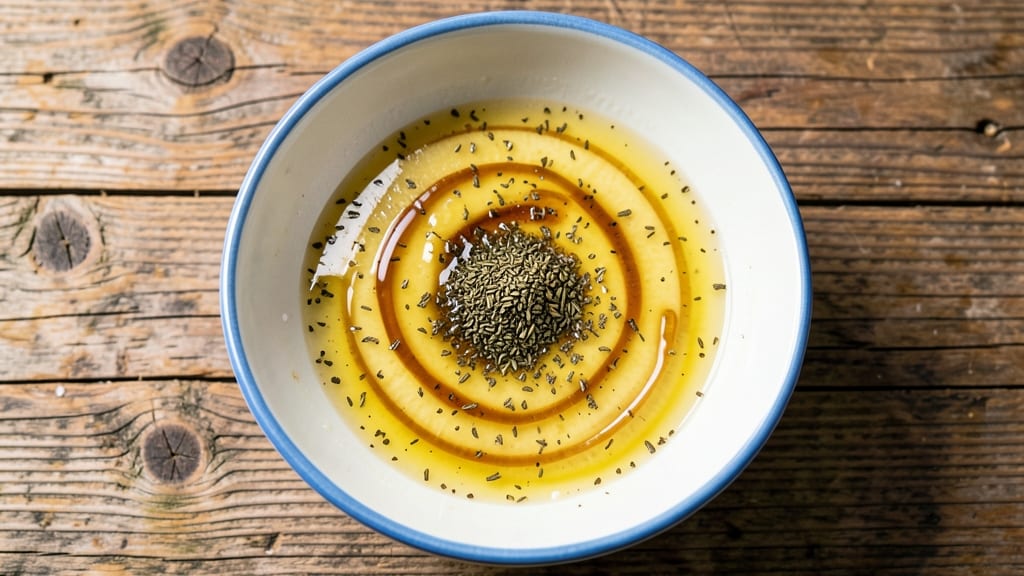
A basic Greek salad dressing recipe transforms simple greens into a vibrant, tangy masterpiece with just five ingredients and five minutes of work. This zesty lemon-oil emulsion delivers the bright, herby flavor of Mediterranean cuisine without requiring special techniques—just whisk, taste, and enjoy.
The secret lies in balancing fresh lemon juice, high-quality olive oil, and a pinch of oregano to create a dressing that elevates any salad or dipping dish.
What makes this recipe stand out is its versatility and simplicity. You don’t need expensive ingredients or complicated methods—just pantry staples and a whisk. The dressing stays fresh for up to a week in the refrigerator, making it perfect for meal prep or spontaneous lunches.
Whether you're serving a classic Greek salad, drizzling over grilled vegetables, or using it as a dip for pita chips, this emulsion delivers consistent, restaurant-quality flavor every time.
The result is a dressing that’s tangy, aromatic, and perfectly balanced—bright from the lemon, rich from the olive oil, and infused with the earthy kick of oregano.
It’s the kind of simple, foolproof recipe that proves you don’t need complexity to create something extraordinary. Ready to elevate your salads? Here’s how to make it.
This dressing also works beautifully as a marinade for grilled meats or a finishing touch for roasted vegetables. The key is adjusting the lemon to taste—more for extra zing, less for a milder flavor. Store it in an airtight container to preserve its freshness. Let’s get started!
Ingredients for basic greek salad dressing
Five pantry staples. One whisk. Mediterranean brightness in minutes.
| Ingredient | Amount | Notes |
|---|---|---|
| Extra-Virgin Olive Oil 🫒 | 1 cup | Cold-pressed, fruity profile preferred |
| Fresh Lemon Juice 🍋 | ½ cup | From 3-4 organic lemons |
| Dried Oregano 🌿 | 1 ½ tsp | Greek oregano for authentic flavor |
| Diamond Crystal Kosher Salt 🧂 | ½ tsp | Fine grain preferred |
| Pure Maple Syrup 🍯 | 1 tbsp | For subtle sweetness balance |
The foundation of authentic Greek dressing lies in extra-virgin olive oil—professional kitchens insist on cold-pressed, fruity varieties like Kalamata or Nocellara for optimal flavor development. Trader Joe's carries excellent imported options, while Whole Foods bulk bins offer premium choices. For dried oregano, prioritize Greek oregano (Origanum vulgare hirtum) over Italian varieties—its thyme undertones create the signature Mediterranean profile. The oregano should appear vibrant green and smell intensely aromatic; any loss of potency indicates it’s past its prime. Maple syrup serves as our vegan sweetener alternative, maintaining the dressing’s delicate balance without compromising authenticity.
Substitutions require careful consideration to preserve the dressing’s character. Dried oregano can be replaced with 1 tbsp fresh, but it must be finely chopped to match potency. For those avoiding maple syrup, agave nectar at equal measure provides similar viscosity without altering flavor significantly. Olive oil quality is non-negotiable—any low-grade or processed oil will dominate the dressing with bitter aftertaste. When adjusting lemon juice, always taste before adding more—vegan-friendly pH strips can help gauge acidity if needed. The salt should be Diamond Crystal kosher for precise control; table salt requires 25% less by volume. For extra depth, 1/2 tsp red wine vinegar can be added to complement the lemon’s brightness.
Storage demands precision to maintain freshness. Transfer the dressing to an airtight glass jar with a tight-sealing lid—plastic absorbs flavors and degrades over time. It maintains peak quality for 5-7 days refrigerated, though flavor intensifies after 24 hours as components meld. For longer storage, freeze in 1/4 cup portions using ice cube trays—thaw overnight in the fridge for optimal texture. The dressing works beautifully as a marinade for grilled halloumi or finishing emulsion for roasted vegetables, extending its versatility beyond salads. Always shake before using, as separation is inevitable with oil-based emulsions.
Why You'll Love This Recipe
- No-Fuss Emulsion Magic: This one’s the kind of recipe that feels like cheating—just whisk, drizzle, and poof, you’ve got a dressing that clings to everything without a single drop separating. The maple syrup tricks the oil and lemon into playing nice together, so even if you’re not a pro, it’ll turn out smooth every time.
- Bright, Balanced Bite: That lemon juice isn’t overpowering because the maple syrup tames it just enough, while the Greek oregano adds earthy depth. I’ll be real: the first time I tasted it, I forgot to grab a fork—it’s that good drizzled straight from the bottle over warm pita.
- Dresses a Thousand Meals: Forget just salads. This stuff turns grilled chicken into a restaurant-worthy dish, makes roasted veggies taste like they’re summering in Greece, and even elevates a simple cheese plate. My kids even ask for it on their grilled cheese—yes, even on a Tuesday night.
- Stretches Your Budget: A bottle of extra-virgin olive oil and a few lemons last forever, and this recipe makes enough to keep for a week. Freeze it in ice cube trays for later, and you’ve got a pantry staple that costs less than takeout. Not the prettiest, but the taste makes up for it entirely.
Step-by-step instructions for creating a zesty lemon-oil emulsion
This emulsion technique ensures a perfectly balanced dressing that won't separate.
Whisk the Lemon Juice and Maple Syrup
In a medium bowl, combine the ½ cup fresh lemon juice with the 1 tablespoon pure maple syrup. Use a whisk to blend them thoroughly until the syrup dissolves completely and the mixture becomes uniform in color. The syrup helps balance the acidity of the lemon while adding a subtle sweetness that complements the herbal notes of the oregano.
This initial step creates the base of your dressing. The maple syrup also acts as a natural emulsifier, helping to stabilize the oil later. Stirring vigorously at this stage prevents any sugar crystals from forming, ensuring a smooth texture in the final product.
Gradually Incorporate the Olive Oil
With the whisk still in hand, slowly drizzle in the 1 cup extra-virgin olive oil while continuing to whisk vigorously. Start with just a few drops at first, then gradually increase the flow as the mixture begins to thicken. The key here is patience—adding the oil too quickly will cause the dressing to break and separate.
You'll notice the mixture initially resist incorporation, but as you continue whisking, it will begin to emulsify into a creamy, mayonnaise-like consistency. This process typically takes about 2-3 minutes of continuous whisking. The olive oil's fruity notes will mellow the lemon's sharpness, creating a harmonious balance.
Season with Oregano and Salt
Once the oil is fully incorporated, remove the whisk and add the 1½ teaspoons dried oregano and ½ teaspoon diamond crystal kosher salt. Use a small spoon to gently fold these dry ingredients into the emulsion. The oregano should be distributed evenly throughout, while the salt will enhance all the flavors without overpowering them.
At this stage, you might notice the dressing looking slightly grainy from the oregano. That's normal—it will disperse completely when you shake the dressing before using it. Taste the mixture now; it should have a bright lemon tang with herbal undertones and just a hint of sweetness from the maple syrup. Adjust the salt if needed, but the oregano's intensity should remain prominent.
Final Emulsification and Storage
Return the whisk to the bowl and give the dressing one final vigorous whisk for about 30 seconds. This ensures all the ingredients are fully integrated and the dressing reaches its optimal consistency. The final product should be smooth, with no visible separation between the oil and lemon mixture.
Transfer the dressing to a clean, airtight container. It will keep in the refrigerator for up to 1 week, though the flavors will continue to develop and deepen over time. Before using, give the bottle a good shake to redistribute any settled ingredients. This dressing works beautifully as a base for Greek salads, drizzled over grilled meats, or even as a marinade for vegetables.
Pro Tips For Making Basic Greek Salad Dressing
- Drizzle Oil Slowly: I learned this the hard way—pouring the olive oil too fast turns your dressing into a sad, separated mess. Start with just a few drops while whisking like your life depends on it, then gradually increase the flow as the mixture begins to thicken. It takes about 2-3 minutes of nonstop whisking, but trust me, the payoff is worth it.
- Use Cold-Pressed Oil: Skip the cheap stuff—this isn’t the time for generic olive oil. A fruity, cold-pressed extra-virgin olive oil makes all the difference in flavor. The grassy, peppery notes cut through the lemon’s sharpness and give your dressing depth. (Yes, even if you’re impatient like me, don’t skimp here.)
- Whisk Until It Thickens: The dressing won’t emulsify on its own—you’ve got to work for it. Keep whisking until the mixture turns creamy and holds its shape when you lift the whisk. If it looks like watery oil, you’re not there yet. That final 30-second burst at the end guarantees a smooth, cohesive dressing.
- Shake Before Serving: Oregano and salt love to settle, no matter how well you fold them in. Give the bottle a good shake right before using it—this disperses any graininess and ensures every bite gets that bright, herby punch. (Your future self will thank you.)
Flavor customization for basic greek salad dressing
Sweet-Heat Twist
For a touch of warmth, add ½ tsp honey or 1 tsp agave when whisking the maple syrup into the lemon juice. This balances the acidity while adding a subtle caramel note that pairs beautifully with grilled halloumi or roasted eggplant.
I like to use local honey from my friend’s apiary—it adds floral undertones that elevate the dressing. The sweetness should complement, not overpower, so start with ½ tsp and taste as you go. 🍯
Spicy Kick Option
Add a pinch of heat by incorporating ¼ tsp red pepper flakes or ½ tsp Penzeys hot honey during the final whisking. The flakes add a gentle spice that works wonders with cucumber-heavy salads, while hot honey brings sweet heat that balances the lemon’s brightness.
For a more intense kick, mix in 1 tsp harissa paste—this is where Claudine’s magic happens! A little goes a long way, so begin with ¼ tsp and adjust to taste.
Herbal Depth Variation
Elevate the oregano’s earthiness by adding 1 tsp dried basil or ½ tsp dried thyme alongside the oregano. These herbs complement the lemon’s brightness while adding layers of Mediterranean complexity.
I often grab fresh basil from my windowsill garden and finely chop it—it brightens the dressing with a fresh, vibrant note. For a bolder flavor, mix in ½ tsp dried rosemary for a piney aroma that pairs perfectly with grilled meats.
Tangy Umami Boost
For an umami-rich twist, stir in ½ tsp miso paste or 1 tsp soy sauce after the oil is incorporated. This adds a savory depth that makes the dressing work wonders with protein-heavy salads like chickpeas or grilled shrimp.
I love using white miso for a subtle, fermented tang—just a ¼ tsp makes a noticeable difference. The soy sauce option is great for those who enjoy a touch of saltiness without extra sodium.
Citrus Zing Upgrade
Swap out some of the lemon juice for 2 tbsp orange juice or 1 tbsp grapefruit juice to introduce a citrusy complexity. The orange adds a sweeter, more approachable tang, while grapefruit brings a bitter-sweet contrast that cuts through richness.
I often use freshly squeezed orange juice for a brighter flavor—just replace ¼ cup of the lemon juice with it. This variation is especially lovely with salads featuring citrusy vegetables like fennel or endive.
Nutrition facts
Frequently asked questions
Can I make this dressing without maple syrup?
The maple syrup adds subtle sweetness that balances the lemon's acidity, but you can substitute it with 1 teaspoon agave nectar or ½ teaspoon honey. For a completely sugar-free option, simply omit it—just taste as you add oil to adjust sweetness later. The dressing will still emulsify, though it may taste slightly sharper.
Why does my dressing separate after whisking?
Separation happens when oil is added too quickly or whisking stops before the emulsion fully forms. Always drizzle oil slowly while whisking continuously for 2-3 minutes. If separation occurs, blend the dressing briefly with an immersion blender or whisk vigorously for 30 seconds until smooth. A light shake before using also helps redistribute ingredients.
How do I adjust the flavor if it's too salty?
If the dressing tastes overly salty, dilute it with 1 teaspoon fresh lemon juice or ¼ cup water. Whisk well to re-emulsify. For a more flavorful fix, add ½ teaspoon extra maple syrup to balance the saltiness. Taste as you go—small adjustments work best.
Can I use this dressing for anything other than salads?
This versatile emulsion works beautifully as a marinade for grilled meats, a dip for pita chips, or a finishing drizzle over roasted vegetables. It also enhances hummus or acts as a tangy glaze for baked potatoes. The lemon-oil base pairs perfectly with Mediterranean flavors.