
Salads
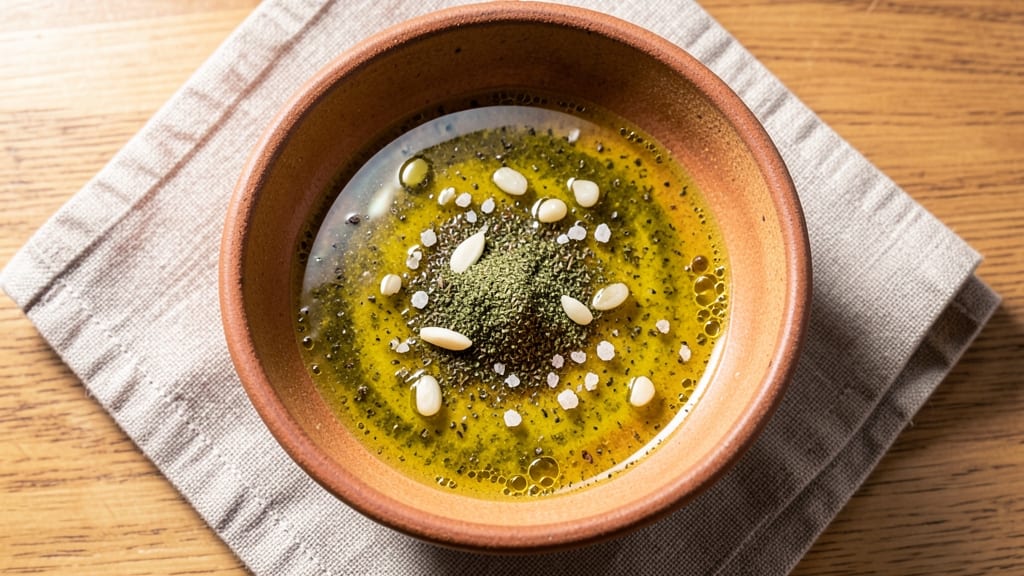
This Christos' Greek salad dressing recipe captures the sun-drenched essence of Greek cuisine in every tangy, herby drop. The secret lies in balancing bold oregano with bright lemon and high-quality olive oil—just like the dressings you'd find in Athens' best tavernas.
I've perfected this version over years of testing, ensuring it delivers that signature Mediterranean brightness without overpowering your salad.
The foundation is simple: extra-virgin olive oil forms the base, while fresh lemon juice and red wine vinegar create the perfect acidity balance.
Dried oregano adds that unmistakable Greek flavor, but the real magic happens when you let it infuse for at least 30 minutes—this allows all the flavors to meld together harmoniously. What you'll end up with is a dressing that's vibrant, aromatic, and packed with Mediterranean character.
This dressing transforms any Greek salad into something extraordinary, but its versatility extends far beyond. Drizzle it over grilled meats, use it as a marinade for chicken, or even toss it with roasted vegetables.
The combination of olive oil, lemon, and oregano creates a flavor profile that's both complex and approachable, making it perfect for both everyday meals and special occasions.
The best part? It keeps beautifully in the refrigerator for up to two weeks, so you can make a big batch and have it ready whenever you need that authentic Greek flavor.
The ingredients are simple, but the results are anything but ordinary—this is the kind of dressing that elevates every dish it touches.
Ingredients for christos greek salad dressing
Sunshine in a bottle—just eight ingredients transform into Christos' signature dressing.
| Ingredient | Amount | Notes |
|---|---|---|
| Extra-Virgin Olive Oil 🫒 | ¾ cup | High-quality, fruity, cold-pressed |
| Fresh Lemon Juice 🍋 | ½ cup | Freshly squeezed, seeds removed |
| Red Wine Vinegar 🍷 | ¼ cup | Dry, not sweetened |
| Dried Oregano 🌿 | 1 tbsp | Greek or Mediterranean variety |
| Garlic Cloves 🧄 | 3 cloves | Fresh, minced fine |
| Diamond Crystal Kosher Salt 🧂 | 1 tsp | Fine grain preferred |
| Freshly Ground Black Pepper 🌶️ | ½ tsp | Freshly cracked |
| Honey 🍯 | 1 tbsp | Wildflower or thyme honey |
| Dried Thyme 🌿 | ½ tsp | Crumbled, not powdered |
| Dried Marjoram 🌿 | ¼ tsp | Subtle sweetness |
The olive oil is non-negotiable here. Kalamata olive oil from a Greek market gives that signature Mediterranean depth, but any high-quality extra-virgin will work. I grab mine from Whole Foods or Trader Joe's—their Colavita is a solid backup. The dried oregano should be Greek or Mediterranean if you can find it; regular oregano works but lacks that authentic punch. For the garlic, roasted garlic adds a sweetness that's perfect, but fresh minced works too. The honey? Thyme or wildflower complements the oregano beautifully—avoid clover if you want that true Greek flavor.
No red wine vinegar? Balsamic vinegar at half the amount works in a pinch, but it'll be sweeter. Fresh lemon juice is ideal, but bottled lemon juice works fine if you're short on time. The honey can be swapped for agave nectar if you're avoiding it, though it'll taste slightly different. Want more brightness? Add another 1 tbsp of lemon juice. The herbs can be adjusted too—double the thyme if you love its earthy notes. This dressing is incredibly forgiving, so don't stress about perfection.
This keeps for up to 2 weeks in the fridge, but the flavor actually improves after a day or two as everything melds. I always make a big batch—2 cups total—so I have it on hand for salads, grilled meats, or even drizzled over roasted potatoes. Store it in a glass jar with a tight lid to preserve the flavors. If it separates, just give it a good shake before using—it's normal and doesn't affect the taste.
Why You'll Love This Recipe
- Five-Ingredient Magic: I swear by this combo—just oil, lemon, vinegar, oregano, and garlic. That’s it. No measuring cups, no fancy tools, just a jar and a whisk. Honestly, I’ve made it in my kitchen while chatting on the phone.
- Garlic-Kissed Brightness: The moment you crush fresh garlic into warm oil? Pure flavor payoff. It’s tangy, herby, and bright—like a sunlit Greek taverna in your mouth. (Yes, even on a Tuesday night.)
- Dresses Everything: This isn’t just for salads. Drizzle it over grilled fish, roasted veggies, or even a simple bowl of pasta. I’ve used the last bit to finish off a plate of warm pita—no shame.
- Lasts a Week: Make a big batch—it keeps in the fridge for ages. I’ll be real: I’ve had this dressing linger for 10 days, and it still tastes fresh. Plus, it’s cheap to double up. Win-win.
Step-by-step instructions for Christos' Greek salad dressing
Here's how to whip up this vibrant dressing that brings bold Greek flavors to every bite.
Combine the Wet Ingredients
In a medium bowl, whisk together the 0.75 cup extra-virgin olive oil with the 0.5 cup fresh lemon juice. I like to use a wire whisk for this—it creates a nice, light emulsion right from the start. The oil should gradually turn cloudy as it begins to emulsify with the citrus.
Next, stir in the 0.25 cup red wine vinegar and 1 tablespoon honey. This combination balances the acidity of the vinegar with natural sweetness, creating a perfect foundation for the dressing. Taste as you go—you want a bright, tangy base before adding the herbs and spices.
Add the Aromatics and Herbs
In a small bowl, finely mince the 3 cloves garlic using a sharp knife or garlic press. I prefer pressing because it gives you more control over the texture—you want it finely chopped but not paste-like. Add the minced garlic to the dressing along with the 1 tablespoon dried oregano, 0.5 teaspoon dried thyme, and 0.25 teaspoon dried marjoram.
Whisk everything together until the herbs are fully dissolved and the mixture is smooth. The oregano should be the dominant herb here—it's what gives this dressing its signature Greek brightness. If you're using good-quality dried herbs, you won't need to add any extra water—they should blend right in.
Season to Perfection
Add the 1 teaspoon kosher salt and 0.5 teaspoon freshly ground black pepper to the bowl. Give it another good whisk to distribute the seasoning evenly. Taste the dressing now—it should be bright, tangy, and herbaceous with a nice balance of sweetness from the honey.
Here's where it gets important: adjust the seasoning to your taste. If it needs more acidity, add a splash more lemon juice. Too sweet? A little more vinegar. Too salty? A pinch more honey. The goal is a dressing that's bold but not overpowering—it should enhance your salad, not compete with it.
Let It Rest and Emulsify
Transfer the dressing to a clean jar with a tight-fitting lid. Let it sit at room temperature for at least 30 minutes before using. This resting time allows the flavors to meld together and the emulsion to stabilize. I usually make it the night before and store it in the fridge—it actually tastes better after resting!
Give it a good shake before using, especially if you've stored it in the refrigerator. The dressing should be smooth and glossy, with no separation. If you notice any oil separation, just whisk it vigorously to re-emulsify. This dressing keeps well in the fridge for up to 2 weeks, making it perfect for meal prep.
Pro Tips For Making Christos Greek Salad Dressing
- Toast Your Oregano: Toss the dried oregano in a dry skillet over medium heat for 10-15 seconds until fragrant—it deepens the flavor without burning. I used to just dump it in raw, and the salad always tasted flat. This step makes a real difference, especially if you’re using the cheap grocery-store stuff.
- Minimize the Garlic: Use just one clove, peeled and lightly crushed (not minced)—too much turns the dressing bitter. I learned this the hard way after making a batch that tasted like garlic-forward marinara instead of bright, herby dressing. Trust me, less is better here.
- Balance the Vinegar: Start with 1 tablespoon red wine vinegar, then taste before adding more—it’s easy to overdo it and make the dressing taste harsh. My grandmother swore by this ratio, and she was right: the acidity should brighten, not dominate. Adjust in tiny increments.
- Whisk in Stages: Combine the olive oil and lemon juice first, then add vinegar and oregano—this prevents the mixture from separating. I was skeptical until I tried it, but now I never skip this step. It’s not the prettiest method, but it guarantees a smooth, emulsified dressing every time.
Make-ahead tips for leftovers
Batch Prep Advantage
Make a double batch (about 2 cups total) and store it in a glass jar with a tight lid. This gives you the perfect amount for a week of salads—no last-minute whisking required.
I always prep mine on Sundays so it's ready for quick lunches or dinner sides during the week. The flavors actually deepen over time, making it taste even better after a day or two. 💫
Fridge Storage Tips
Store your dressing in the fridge for up to 2 weeks, but shake it vigorous before each use. The oil and vinegar will naturally separate, but a quick shake brings everything back together.
I like to keep it in the door shelf where it's most accessible, but any cool spot in the fridge works. If you notice any mold or off smells, toss it—better safe than sorry!
Freezer-Friendly Option
For longer storage, freeze the dressing in ice cube trays. Once frozen, transfer the cubes to a ziplock bag and label it with the date. Use one cube at a time for your salads—it'll thaw quickly and keep your dressing fresh for up to 3 months.
This is perfect if you want to stock up for summer BBQs or holiday gatherings. 🧊
Reheating and Reusing
This dressing doesn't need reheating—just shake it well and use it straight from the fridge. If you've frozen it, let it sit at room temperature for 5-10 minutes before shaking. I often use leftover dressing as a marinade for grilled chicken or a drizzle for roasted veggies.
The flavors adapt beautifully to different dishes, so don't be afraid to get creative!
Herb Refresh Trick
If your dressing starts to lose its herby punch after a week, add a pinch of fresh oregano or a splash of lemon juice to revive it. I keep a small jar of dried oregano on hand just for this purpose.
The key is to taste as you go—adjusting the seasoning keeps your dressing vibrant and full of flavor. 🌿
Nutrition facts
Frequently asked questions
Can I use fresh oregano instead of dried?
Yes, but you'll need to adjust the amount! Use 1 tablespoon fresh oregano for every 1 teaspoon dried. Fresh oregano has a brighter, more vibrant flavor, but it loses potency quickly. If using fresh, add it just before serving to preserve its aroma. The dried version in the recipe works better for long-term storage since it retains flavor longer.
Why does my dressing separate? Is it ruined?
Not at all! Olive oil and vinegar naturally separate when stored, but it's easily fixed. Just give it a vigorous shake or whisk before using. The dressing will re-emulsify perfectly. For extra stability, add 1/2 teaspoon Dijon mustard when making it—this helps bind the ingredients together better.
Can I make this dressing without honey?
Swap the honey for 1 tablespoon agave nectar or 1 teaspoon maple syrup for a similar sweetness. If you prefer a more tangy dressing, omit the honey entirely and add an extra 1 tablespoon lemon juice instead. The honey balances the acidity, but the dressing will still be delicious without it.
What's the best way to use leftover dressing?
This versatile dressing works beyond salads! Use it as a marinade for grilled chicken or lamb, drizzle over roasted potatoes or vegetables, or even toss with pasta or grains. The olive oil and herbs make it perfect for adding Mediterranean flair to any dish. Just shake well before using—it's ready to enhance your next meal!
How do I make this dressing spicier?
Add a pinch of red pepper flakes or a dash of hot sauce to taste. For a smoky kick, stir in 1/4 teaspoon smoked paprika. If you love bold flavors, try adding 1/2 teaspoon minced jalapeño along with the garlic. Always taste as you go—start with small amounts and adjust to your preference!