
Salads
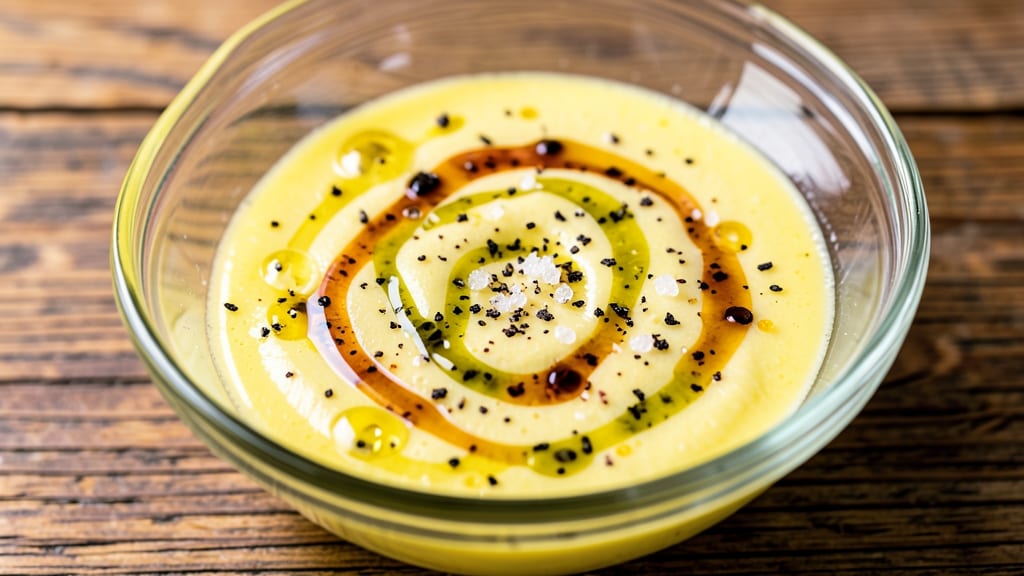
This alkaline salad dressing recipe transforms your greens into a vibrant, health-boosting topping with a zesty lime-lemon base that keeps fresh for weeks.
The secret lies in balancing citrus with mineral-rich ingredients like sea salt and apple cider vinegar, creating a dressing that supports pH balance while delivering bright, tangy flavor. I developed this recipe after realizing most store-bought dressings contain processed oils and artificial preservatives—this version cuts through both with natural ingredients.
The dressing's alkaline properties come from its plant-based foundation: fresh citrus juices, raw apple cider vinegar, and mineral-rich sea salt all work together to create a dressing that's not just flavorful but also supports digestive health.
The emulsification happens naturally through gentle whisking, eliminating the need for processed stabilizers. A touch of Dijon mustard adds body while keeping the dressing light enough to coat greens without weighing them down.
What makes this recipe truly special is its longevity—stored properly, it stays fresh for up to two weeks in the refrigerator, maintaining its vibrant color and tangy kick. The lime and lemon base provides a refreshing contrast to bitter greens, while the mineral components enhance the dressing's nutritional profile.
Perfect for meal prep, this dressing transforms simple salads into nutrient-dense meals that taste as good as they make you feel.
Use it on mixed greens, grain bowls, or as a marinade for proteins—its versatility makes it a pantry staple. The recipe scales effortlessly, so you can make a big batch and enjoy fresh, alkaline dressing all week long. Here's everything you need to get started with this bright, health-focused dressing.
Ingredients for alkaline salad dressing
Bright citrus, mineral-rich vinegar, and plant-based emulsifiers create this nutrient-dense dressing that elevates salads to alkaline-friendly meals.
| Ingredient | Amount | Notes |
|---|---|---|
| Fresh Lime Juice 🍋 | ½ cup | Strained, no pulp, freshly squeezed |
| Fresh Lemon Juice 🍋 | ½ cup | Strained, no pulp, freshly squeezed |
| Extra-Virgin Olive Oil 🫒 | ½ cup | Cold-pressed, unrefined for flavor |
| Raw Apple Cider Vinegar 🍏 | ¼ cup | Unfiltered, unpasteurized preferred |
| Mineral-Rich Sea Salt 🧂 | 1 ½ tsp | Unrefined, like Redmond Real Salt |
| Dijon Mustard 🌶️ | 1 tbsp | Whole-grain, no additives |
| Raw Honey Substitute (Maple Syrup) 🍁 | 1 tbsp | Grade B maple for depth of flavor |
| Ground Flaxseed 🌾 | 1 tsp | For natural emulsification |
| Fresh Garlic Cloves 🧄 | 1 whole | Minced, for subtle depth |
| Fresh Cilantro Leaves 🌿 | ¼ cup | Chopped, for fresh herbal note |
The citrus juices are the heart of this dressing—look for organic limes and lemons at Whole Foods or your local farmers market for maximum alkalinity. The Redmond Real Salt adds trace minerals that support pH balance, while the unfiltered apple cider vinegar from Bragg provides probiotic benefits. For the olive oil, California Avocado Ranch cold-pressed variety delivers the perfect balance of fruitiness and stability. Fresh garlic and cilantro should be vibrant—avoid wilted stems or yellowing leaves, as these indicate oxidation and diminished nutritional value.
No fresh lime? Key lime juice concentrate works in a pinch, but reduce to 3 tbsp and add 1 tbsp water. Substitute maple syrup with agave nectar for a neutral sweetness profile. For those avoiding mustard, 1 tsp nutritional yeast adds umami depth without altering the dressing's alkaline properties. The flaxseed is non-negotiable for emulsification—Bob's Red Mill organic variety works best. If you prefer a smoother texture, blend all ingredients except the flaxseed first, then whisk in the ground flaxseed at the end. For extra tang, add 1 tsp of lemon zest to the juice measurements.
This dressing maintains its alkaline properties and vibrant color for up to 2 weeks when stored in a dark glass jar in the refrigerator. The flaxseed emulsion prevents separation, but give it a quick shake before each use. For long-term storage, divide into ice cube trays, freeze, and transfer to a bag—perfect for single-serving applications. The dressing's mineral content makes it ideal for detox salads or as a base for alkaline smoothies. Always use stainless steel or glass utensils to preserve the dressing's nutritional integrity.
Why You'll Love This Recipe
- Five-Ingredient Magic: This dressing comes together in 5 minutes—no fancy tools, no stress. Just squeeze, pour, stir. That’s it. The raw apple cider vinegar and citrus cut through the richness of olive oil like a knife, but you’d never know how little effort it took.
- Zesty Brightness: The lime and lemon juice hit different—tangy, alive, and just a little sharp. Honestly, the mineral-rich sea salt ties it all together, making every drizzle taste like a fresh start. It’s the kind of flavor that makes you want to toss it on everything.
- Meal Prep MVP: I make a big batch on Sundays and keep it in the fridge for the week. It works on grain bowls, roasted veggies, even grilled chicken—no one will guess it’s the same dressing. (Yes, even on a Tuesday night.)
- Budget-Friendly Luxury: Extra-virgin olive oil and fresh citrus might sound fancy, but this dressing costs pennies per serving. A little goes a long way, and the leftovers stay fresh for days. My secret weapon for eating well without breaking the bank.
Step-by-step instructions for alkaline salad dressing
This dressing delivers vibrant acidity, natural emulsification, and lasting freshness—ideal for alkaline-friendly meals.
Whisk Citrus Juices and Vinegar
In a medium bowl, combine the 0.5 cup fresh lime juice and 0.5 cup fresh lemon juice. The bright citrus notes form the alkaline foundation while providing a zesty kick. Add the 0.25 cup raw apple cider vinegar and whisk vigorously for 30 seconds—this acidity helps balance the dressing's alkalinity while preserving freshness.
Here's the thing—using freshly squeezed citrus is non-negotiable. Bottled juices lack the enzyme activity and pH balance needed for true alkalinity. The vinegar, meanwhile, introduces beneficial probiotics that support gut health while enhancing flavor complexity.
Incorporate Sweetness and Emulsifiers
Add the 1 tbsp Dijon mustard and 1 tbsp maple syrup to the citrus-vinegar mixture. The mustard acts as a natural emulsifier while adding depth, while the maple syrup gently balances acidity. Whisk until fully combined—you should see a smooth, slightly thickened base.
Next, sprinkle in the 1 tsp ground flaxseed and whisk for another 20 seconds. The flaxseed is the secret to this dressing's stability—it creates a natural emulsion that prevents separation for up to 5 days when refrigerated. This is particularly important for alkaline diets where freshness directly impacts nutrient absorption.
Add Aromatics and Seasoning
Mince the 1 whole fresh garlic clove and add it to the mixture along with the 1.5 tsp mineral-rich sea salt. The garlic introduces subtle depth while supporting cardiovascular health, and the unrefined sea salt provides trace minerals that enhance the dressing's alkaline properties.
Finally, fold in the 0.25 cup chopped fresh cilantro leaves using a rubber spatula. The cilantro adds a bright herbal note that complements the citrus while contributing antioxidants. Gently stir just until incorporated—overmixing can bruise the leaves and release bitter compounds.
Slowly Emulsify the Olive Oil
With the dressing mixture still in the bowl, very slowly drizzle in the 0.5 cup extra-virgin olive oil while whisking continuously. The key here is patience—adding the oil too quickly will cause separation. Whisk for 2-3 minutes until the dressing reaches a creamy, pourable consistency.
The olive oil provides healthy fats that help the body absorb fat-soluble vitamins from your salad. The cold-pressed quality ensures maximum nutrient retention and flavor complexity. Once fully emulsified, the dressing should coat the back of a spoon smoothly without breaking.
Rest and Adjust Seasoning
Let the dressing rest for 10 minutes at room temperature. This allows all the flavors to meld and the emulsion to fully stabilize. After resting, taste and adjust the seasoning—add a pinch more sea salt if needed, or a splash of lime juice if the acidity needs balancing.
This dressing maintains its alkaline properties while delivering vibrant flavor. Store in an airtight container in the refrigerator for up to 5 days, shaking gently before each use. The flaxseed emulsion ensures it won't separate, making it perfect for alkaline meal prep.
Pro Tips For Making Alkaline Salad Dressing
- STRAIN THE CITRUS: No one likes gritty dressing—especially when you’re going for that bright, clean alkaline kick. Roll the limes and lemons hard over your palm before cutting to break down the pulp, then strain through a fine-mesh sieve or cheesecloth. I used to skip this, and the texture always felt off—like eating a lemon with seeds.
- USE AGED CIDER VINEGAR: Raw apple cider vinegar is great, but if you’re making this dressing ahead, opt for aged or "mother" vinegar—it’s smoother and less harsh on the palate. The tang mellows out over time, which matters when you’re balancing it with citrus and oil. (Yes, it’s pricier, but your dressing won’t taste like you raided a science lab.)
- WHISK IN STAGES: Pour the oil in slowly while whisking vigorously—think of it like tempering eggs. If you dump it all at once, you’ll end up with a separated, greasy mess. Start with a tablespoon, emulsify, then add the rest. This isn’t a race; let the dressing come together naturally.
- SALT THE OIL FIRST: Dissolve the mineral-rich sea salt in the olive oil before mixing—it blends better and won’t clump like a sad, grainy afterthought. A pinch here (about ¼ teaspoon per ¼ cup oil) makes the dressing taste more cohesive, not just saltier. Trust me, your taste buds will notice the difference.
Essential equipment for great alkaline salad dressing
Whisking Essentials
You'll need a stainless steel whisk—I recommend the OXO Good Grips brand—to create a smooth emulsion. The fine wires help incorporate air while blending the citrus, vinegar, and oil.
A medium-sized mixing bowl (8-inch diameter) gives you enough space to whisk without splashing. For extra stability, use a non-slip silicone mat under your bowl to prevent accidents. 💡
Glass Storage Containers
Store your dressing in amber glass bottles (like Klean Kanteen or Glasslock) to block light and preserve freshness. The dark glass prevents oxidation that can degrade the dressing's alkaline properties. Avoid plastic containers—they can leach chemicals and alter the flavor over time.
I keep mine in the fridge door for easy access, but move it to the main shelf after opening to maintain consistent temperatures.
Citrus Juicer
A handheld citrus juicer (like the Breville BJE200) makes extracting fresh lime and lemon juice effortless. The manual pressure ensures you get every drop without seeds or pulp. For small batches, I use a microplane to zest the citrus—just rub the peel over the bowl while juicing.
This adds aromatic oils that enhance the dressing's complexity without extra effort. 🍋
Measuring Tools
Precision matters with this recipe, so invest in a stainless steel measuring set (I love Weck brand). The fine markings help you measure the 1 tsp ground flaxseed and 1.5 tsp sea salt accurately.
A small funnel comes in handy when transferring the dressing into bottles—it prevents spills and keeps your counter clean. For the olive oil, use a liquid measuring cup with a spout for controlled pouring during emulsification.
Optional Blender
If you prefer a smoother texture, a mini blender (like the Ninja BN601) can help break down the flaxseed and garlic more finely. Pulse the ingredients for 10-15 seconds before whisking in the olive oil.
This step is optional but creates a velvety consistency that works well for grain bowls. Just be sure to whisk in the oil by hand afterward to maintain the emulsion. ✨
Nutrition facts
Frequently asked questions
Why does this dressing use both lemon and lime juice instead of just one?
The combination creates a more complex alkaline profile. Lemon provides a brighter acidity that helps balance the dressing's pH, while lime adds a subtle sweetness that enhances mineral absorption. Together, they create a dressing that's more nutrient-dense than single-citrus versions while maintaining vibrant flavor for up to 2 weeks when stored properly.
Can I make this dressing without flaxseed for emulsification?
You can try using 1 tbsp ground chia seeds instead—they work similarly as a natural emulsifier. For a non-seed option, blend 1 tbsp silken tofu with the citrus mixture first, then whisk in the oil. However, flaxseed provides the best stability for alkaline diets due to its omega-3 content, which helps maintain the dressing's nutritional integrity.
How do I know if my dressing has separated? And can I fix it?
If the oil pools on top, it's separated—but don't worry! Simply whisk vigorously for 1-2 minutes to re-emulsify. For stubborn separation, add 1 tsp warm water and whisk again. The flaxseed in this recipe is designed to prevent separation, but temperature changes (like moving from fridge to room temp) can sometimes cause minor breakdown. Always store in a dark glass jar to preserve freshness.
What makes this dressing truly alkaline compared to regular vinaigrettes?
The mineral-rich sea salt and unfiltered apple cider vinegar create an alkaline foundation. The citrus juices provide alkalizing minerals when metabolized, while the flaxseed adds omega-3s that support pH balance. Unlike conventional dressings with processed oils, this recipe uses cold-pressed olive oil and plant-based ingredients that work together to create a dressing that actually contributes to your body's alkalinity when consumed as part of a balanced meal.
Can I use this dressing on cooked vegetables or proteins?
This dressing works beautifully as a marinade for tofu, grilled chicken, or fish—just reduce the olive oil to 2 tbsp and marinate for 15-30 minutes. For cooked vegetables, use it as-is on roasted Brussels sprouts or steamed asparagus. The alkaline ingredients help tenderize proteins while adding flavor. Just avoid using it on delicate seafood like shrimp, as the acidity might overpower the flavor.