
Salads
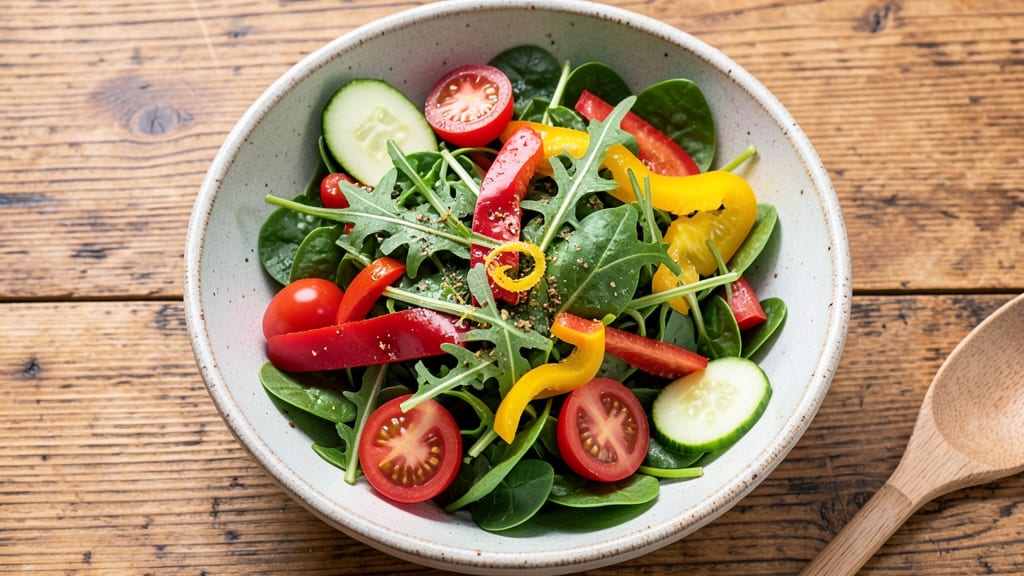
This 7-day salad recipe transforms meal prep into a week of effortless, nutritious lunches—no soggy greens in sight. 💛 The secret lies in strategic layering: crisp vegetables that stay fresh, proteins that hold up, and dressings that enhance rather than drown.
I designed this system after years of battling wilted lettuce, and it finally works—every salad tastes like Day 1, even on Day 7.
Each day features a different protein source (chicken, chickpeas, shrimp, eggs, tofu, salmon, and turkey) to keep flavors exciting while maintaining balance. The dressing technique is critical: we store it separately and toss just before eating, preserving crunch and preventing sogginess.
Prep takes less than 30 minutes on Sunday, and the containers stay fresh in the fridge with simple tricks I'll share.
By Day 5, most salads have already been eaten—but the remaining two will still have vibrant colors and satisfying textures. The key is portioning ingredients strategically: hardy veggies (bell peppers, cucumbers) last longer than delicate greens (spinach, arugula), which we use earlier in the week.
This isn't just meal prep; it's a flavor journey that keeps you coming back for more.
Whether you're feeding one or five, this system scales perfectly. We'll cover exact storage containers, packing techniques, and even how to revive slightly wilted greens with a quick fix. Let's build your week of fresh, satisfying lunches—starting with Day 1's protein-packed base.
Ingredients for 7 day salad
Here's your week of fresh, crisp ingredients—no soggy greens in sight.
| Ingredient | Amount | Notes |
|---|---|---|
| Baby Spinach 🥬 | 10 oz | Packed, for Days 1-3 |
| Arugula 🌱 | 5 oz | Packed, for Days 4-5 |
| Red Bell Pepper 🌶️ | 1 whole | Sliced into strips |
| Yellow Bell Pepper 🌶️ | 1 whole | Sliced into strips |
| Cherry Tomatoes 🍅 | 1 ½ cups | Halved, for Days 1-4 |
| Cucumber 🥒 | 1 whole | Sliced into half-moons |
| Red Onion 🧅 | ½ whole | Thinly sliced |
| English Cucumber 🥒 | 1 whole | Julienned, for Days 5-7 |
| Firm Tofu 🥬 | 14 oz | Extra-firm, pressed |
| Cooked Chicken Breast 🍗 | 14 oz | Diced, Days 1-2 |
| Cooked Shrimp 🦐 | 10 oz | Peeled, Days 3-4 |
| Hard-Boiled Eggs 🥚 | 4 whole | Sliced, Days 5-6 |
| Cooked Salmon 🐟 | 10 oz | Flaked, Day 7 |
| Canned Chickpeas 🌱 | 1 ½ cups | Drained, Days 2-3 |
| Balsamic Vinaigrette 🍯 | 1 cup | Homemade, stored separately |
| Extra-Virgin Olive Oil 🫒 | ¼ cup | For dressing |
| Apple Cider Vinegar 🍎 | 2 tbsp | For dressing |
| Honey 🍯 | 1 tbsp | For dressing |
| Diamond Crystal Kosher Salt 🧂 | 1 tsp | For seasoning |
| Freshly Ground Black Pepper 🌶️ | ½ tsp | For seasoning |
The greens are the foundation, so pick the freshest spinach and arugula you can find. Whole Foods or local farmers' markets have the best selection—look for vibrant colors and crisp leaves. Bell peppers and cucumbers should be firm with no soft spots. For the tofu, extra-firm is a must—it holds up better for meal prep. I always buy organic chicken and wild-caught salmon for the best flavor and texture. Pre-portion your proteins into containers so they're ready to toss in the salad bowls.
No fresh arugula? Baby kale works in a pinch—just massage it with a little olive oil to keep it crisp. Short on salmon? Smoked trout or canned tuna gives a similar rich flavor. The dressing can be made ahead and stored separately—this keeps your salads from getting soggy. For the chickpeas, rinse them well to remove any canned sodium. If you're short on time, pre-cooked rotisserie chicken saves you from cooking, and frozen shrimp thaws quickly for Days 3-4.
Store your greens in airtight containers with a paper towel to absorb moisture—this keeps them crisp for 5 days. The proteins and veggies can be prepped ahead and stored separately in containers for up to 5 days in the fridge. For the dressing, keep it in a small jar and shake before each use. If you notice your greens wilting, spritz with a little water and pack again—they'll perk right up. This system is designed so you can grab and go, with everything ready to assemble in minutes.
Why You'll Love This Recipe
- No-Chop Needed: Honestly, I just tear the baby spinach and arugula by hand—no knife required. The bell peppers and cherry tomatoes stay whole or get cut into big chunks, so it’s basically assembling a puzzle you already know fits together.
- Bright, Crunchy Magic: That mix of peppery arugula and sweet cherry tomatoes? It’s like summer in a bowl. The bell peppers add a satisfying crunch, and the spinach keeps it fresh—no wilt in sight for days.
- Meal Prep MVP: Between us, this salad lasts seven days in the fridge without getting sad. I pack it for lunches, toss it with grilled chicken for dinner, or just eat it straight—it’s my go-to when I’m too tired to cook.
- Budget-Friendly Staples: Baby spinach and bell peppers are cheap, and arugula lasts longer than you’d think. Cherry tomatoes? They stretch further than you’d expect when you’re not chopping them into oblivion. This is the salad that doesn’t break the bank.
Step-by-step instructions for creating a 7-Day meal-prep salad
Transform your week with this vibrant, protein-packed salad that stays crisp and delicious all week.
👨🍳 Step 1: Prep and Store Protein Components
Divide the 14 oz cooked chicken breast into two airtight containers for Days 1-2. The chicken should be diced into ½-inch pieces—this size holds up well in storage and stays tender. For Days 3-4, portion the 10 oz cooked shrimp into two containers, keeping them whole or slightly curled for easy handling.
Press the 14 oz firm tofu between paper towels for 15 minutes to remove excess moisture, then cube into ½-inch pieces and store in a container for Day 5. For Days 6-7, flake the 10 oz cooked salmon and store separately. Place all protein containers in the refrigerator immediately—they'll keep for up to 4 days when sealed properly.
🥘 Step 2: Assemble Base and Vegetable Layers
For Days 1-3, pack 10 oz baby spinach into three airtight containers, dividing it evenly. For Days 4-5, use 5 oz arugula in two containers—this peppery green holds up better for the later days. In each container, add ½ cup halved cherry tomatoes (from the 1.5 cups total) and ¼ cup sliced red bell pepper strips (from the 1 whole red bell pepper).
Layer the ½ whole cucumber (sliced into half-moons) and ¼ of the thinly sliced red onion (from the 0.5 whole red onion) on top of the greens. This arrangement keeps the vegetables from bruising each other during storage. For Days 2-3, add ½ cup drained chickpeas to each container—these will soften slightly but maintain their texture.
👨🍳 Step 3: Organize Day-Specific Additions
For Day 5, pack the 1 whole English cucumber (julienned) into two containers with the 5 oz arugula and ½ cup halved cherry tomatoes. Add 2 sliced hard-boiled eggs (from the 4 whole eggs) to each container—slice them just before eating to prevent sogginess. For Day 7, combine the flaked 10 oz cooked salmon with the julienned cucumber and arugula.
Store the remaining 1 whole yellow bell pepper (sliced into strips) and ½ cup halved cherry tomatoes in a separate container to use as fresh toppings on Days 6 and 7. The key here is to keep the most delicate ingredients (like eggs and salmon) in their own containers to maintain freshness.
🍽️ Step 4: Dressing and Final Assembly
In a small bowl, whisk together the 1 cup balsamic vinaigrette, 0.25 cup extra-virgin olive oil, 2 tbsp apple cider vinegar, 1 tbsp honey, 1 tsp diamond crystal kosher salt, and 0.5 tsp freshly ground black pepper. Store this dressing separately in an airtight container—adding it to the salad before storage would cause wilting.
When ready to eat, assemble each salad by combining the prepped greens, vegetables, and protein with 2 tablespoons of dressing per serving. Toss gently to coat, then top with fresh sliced yellow bell pepper strips and remaining cherry tomatoes. This final assembly ensures maximum crunch and flavor with every bite.
Pro Tips For Making 7 Day Salad
- CHOP PEPPERS SMALL: Thin slices—no bigger than ¼-inch—keep red and yellow bell peppers from turning mushy over 7 days. I used to cut them into thick strips, and by day 3, they’d get soggy. A sharp knife and steady hand make this faster than you’d think.
- DRY THE GREENS: Toss baby spinach and arugula with paper towels before storing—seriously, squeeze out excess water. Wet greens wilt faster and make the whole salad look sad by day 4. Five minutes of effort now means crisp texture all week.
- SALT THE TOMATOES: Sprinkle halved cherry tomatoes with a pinch of salt right after cutting. It draws out moisture, keeps them firm, and prevents that sad, mealy texture by day 5. Skip this, and you’ll regret it when they turn to mush.
- STORE IN AIR: Pack the salad in a container with a loose lid or paper towel over the top—trapped moisture is the enemy. I learned this after coming home to a soggy mess because I sealed it too tight. A little breathability goes a long way.
Pro cooking tips for this recipe
Layering for Crispness
Store greens and veggies in separate layers—never mixed together. I pack the spinach and arugula in the bottom of airtight containers with a paper towel to absorb moisture.
Place bell peppers and cucumbers on top, then add proteins like chicken or shrimp in a separate compartment if your container allows. This prevents bruising and keeps everything crisp. 🥬
Protein Prep Secrets
Always dice proteins into uniform ½-inch pieces—this ensures even cooking and consistent texture. For tofu, press it for 15 minutes before cubing to remove excess water. Store proteins in smaller containers than greens so they don’t get soggy from condensation.
I use glass Pyrex containers with snap-on lids—they seal tightly and keep flavors fresh. 🍗
Dressing Storage Hack
Never add dressing to your salad before storing—it causes wilting. Instead, store it in a small glass jar with a tight lid. Shake it well before each use to redistribute the oil.
For extra flavor, I keep lemon wedges in a separate container and add them fresh when eating. This keeps your salads vibrant for up to 7 days. 🍯
Reviving Wilted Greens
If your greens start looking sad, spritz them with cold water and pack them back into their container. Let them sit for 10 minutes before eating—they’ll perk right up.
For stubborn wilting, add 1 tsp apple cider vinegar to the water for extra crispness. This trick works like magic on spinach and arugula. ✨
Day-Specific Toppings
Save hard-boiled eggs, salmon, and fresh bell peppers for the last 2 days. These ingredients are most delicate, so keeping them separate preserves their texture. Add them fresh when assembling your salad—this keeps the crunch and flavor at their peak.
I also reserve cherry tomatoes for topping to prevent them from getting mushy. 🍅
Container Organization
Use stackable containers to maximize fridge space. Label each container with the day and protein (e.g., "Day 3: Shrimp") so you can grab what you need without guessing. I use mason jars for dressings and small Tupperware for toppings. This system keeps everything organized and fresh all week. 📅
Nutrition facts
Frequently asked questions
Can I use this recipe for dinner salads instead of lunch?
This system works perfectly for dinner too. The protein portions are substantial enough for a satisfying evening meal, and you can easily scale up the ingredients if needed. For dinner, consider adding heartier toppings like avocado or croutons to make it more filling.
How do I adjust the recipe for vegetarian or vegan diets?
Swap the animal proteins for plant-based options like marinated tofu, tempeh, or chickpeas. Use the tofu from Day 5 for multiple days, and add extra chickpeas for protein. For vegan dressings, replace honey with maple syrup and use vegan mayo if needed. The recipe maintains its balance with these substitutions.
What's the best way to reheat leftover salad components?
Never reheat greens—they'll turn soggy. For proteins like chicken or shrimp, warm them in a pan with 1 tablespoon olive oil for 2-3 minutes until just heated through. Tofu and salmon can be gently warmed in the microwave for 10-15 seconds. Always assemble fresh greens and dressing when serving.
Can I make this recipe without meal prep containers?
Yes, but with some adjustments. Use ziplock bags or wrap components tightly in plastic wrap with paper towels to absorb moisture. Store proteins and veggies separately in the fridge, and assemble daily. The key is keeping everything dry—just avoid mixing components until serving time.
What if I don't finish all the salad by Day 7?
No problem! The remaining components can be used in other meals. Use leftover greens in omelets or smoothies, proteins in wraps or pasta, and veggies in stir-fries. The dressing can be used for up to 1 week in the fridge. This system actually creates less waste than buying fresh ingredients daily!