
Salads
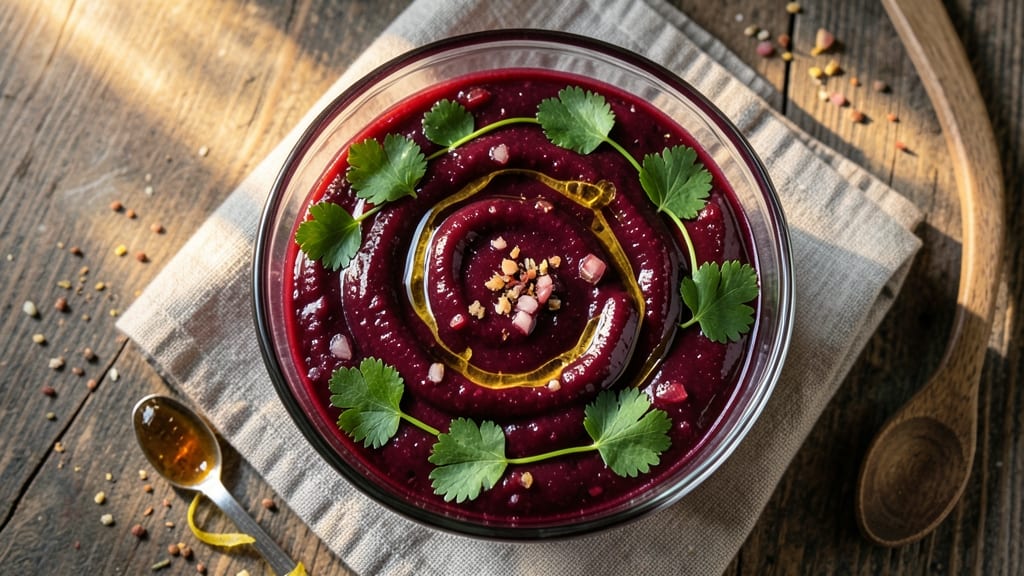
This sweet red wine vinaigrette salad dressing recipe transforms ordinary salads into vibrant, restaurant-quality dishes with just five simple ingredients. The perfect balance of rich red wine, honey, and Dijon creates a dressing that's both sweet and tangy, while fresh herbs add a bright, aromatic finish.
I developed this recipe after years of testing—it's the one that finally convinced even my pickiest eaters to clean their plates.
The secret lies in the emulsification technique, where you whisk the vinegar mixture into the oil slowly to create a stable, creamy texture that won't separate. 3 tablespoons of olive oil provide richness without overpowering, while a touch of shallot adds depth.
This dressing isn't just for salads—it elevates roasted vegetables, grilled meats, and even as a marinade for chicken or pork.
What makes this recipe stand out is its versatility and longevity. Store it in the refrigerator for up to two weeks, and the flavors actually improve over time as the ingredients meld.
The sweetness of the red wine and honey pairs beautifully with bitter greens like arugula or radicchio, while the herbs add a fresh contrast that keeps every bite interesting.
Ready in just 5 minutes, this dressing is perfect for meal prep or last-minute dinner solutions. Whether you're dressing a simple green salad or drizzling it over a hearty grain bowl, this sweet red wine vinaigrette will become your go-to for adding depth and complexity to any dish.
Ingredients for sweet red wine vinaigrette salad dressing
Five sophisticated ingredients create a restaurant-quality dressing that elevates any dish.
| Ingredient | Amount | Notes |
|---|---|---|
| Dry Red Wine 🍷 | ½ cup | Bold variety like Cabernet Sauvignon |
| Extra-Virgin Olive Oil 🫒 | ½ cup | Light fruity variety preferred |
| Raw Honey 🍯 | ¼ cup | Wildflower or clover preferred |
| Dijon Mustard 🍯 | 1 tbsp | High-quality brand like Maille |
| Shallot 🧅 | 1 whole | Finely minced for depth |
| Fresh Flat-Leaf Parsley 🌿 | ¼ cup | Stems removed, finely chopped |
| Fresh Tarragon 🌿 | 1 tbsp | Finely chopped, or substitute thyme |
| Diamond Crystal Kosher Salt 🧂 | ½ tsp | For seasoning and emulsification |
| Freshly Ground Black Pepper 🌶️ | ¼ tsp | Freshly cracked for optimal flavor |
The red wine is the foundation—opt for a bold, dry variety like Cabernet Sauvignon or Merlot from a reputable producer. Trader Joe's and Whole Foods carry excellent options at reasonable prices. Honey should be raw and unfiltered for optimal flavor complexity, while Dijon mustard from brands like Maille ensures the perfect tangy backbone. Shallots add subtle sweetness and depth, so don't substitute with regular onions—their milder flavor won't cut through the richness of the wine and oil. Fresh herbs are non-negotiable; flat-leaf parsley and tarragon provide the aromatic finish that makes this dressing stand out.
No red wine? A blend of apple cider vinegar and a splash of balsamic vinegar works in a pinch, though the flavor profile will differ slightly. Substituting maple syrup for honey maintains sweetness, though the texture may vary slightly. If tarragon is unavailable, fresh thyme or dried tarragon at half the quantity works well. For the olive oil, avocado oil provides a neutral alternative if you prefer a different flavor profile. The shallot can be swapped for yellow onion, though it will be slightly sharper and less refined. Always taste as you go—adjust honey or vinegar to balance sweetness and acidity.
This dressing emulsifies beautifully and can be stored in an airtight container in the refrigerator for up to two weeks, with flavors deepening over time. For meal prep, divide into small jars to maintain freshness and prevent oxidation. The dressing is versatile—drizzle over arugula salads, roasted beets, or grilled chicken for an elegant touch. For best results, whisk before each use to re-emulsify. Freezing isn't recommended, as the texture may separate upon thawing.
Why You'll Love This Recipe
- No Wine Fuss: I keep a bottle of dry red wine in my fridge just for this—no fancy decanting, no snobbery. A splash, a shake, and the acidity cuts right through the richness of the olive oil and honey, balancing everything in one smooth pour.
- Sweet-Savory Magic: That shallot? Finely minced, not chopped—it dissolves into the dressing like a whisper. The Dijon mustard adds a little tangy bite, while the honey rounds it out, making every bite feel like a little celebration in your mouth.
- Weeknight Secret Weapon: I make a big batch on Sundays and toss it in the fridge. It works on greens, grilled chicken, even roasted veggies—no last-minute panic when dinner’s a blur. Honestly, it’s the reason I stopped buying overpriced bottled dressings.
- Budget Bright Spot: A single bottle of wine stretches into three dressings, and the rest of the ingredients cost pennies. Plus, the leftovers? They last for days, so I’m not scrambling for ideas when inspiration’s missing. My wallet and my taste buds thank me.
Step-by-step instructions for sweet red wine vinaigrette
This method delivers a perfectly balanced dressing with vibrant acidity and herbal depth.
Finely Mince the Shallot and Herbs
Peel the whole shallot and cut it into quarters. Place one quarter at a time on a cutting board and use a sharp chef's knife to finely mince it—aim for pieces smaller than a pinhead. The key here is to create a paste rather than just chopping, which prevents gritty texture in the final dressing.
Transfer the minced shallot to a small bowl. Remove stems from the fresh flat-leaf parsley and fresh tarragon, then finely chop both herbs together. The parsley provides bright freshness while the tarragon adds an anise-like complexity that pairs beautifully with red wine. Combine the herbs with the shallot in the bowl and set aside.
Whisk Together the Wet Ingredients
In a medium mixing bowl, combine the 0.5 cup dry red wine and 0.25 cup raw honey. Whisk vigorously for 30 seconds until the honey fully dissolves and the mixture becomes smooth. The wine should be a bold variety like Cabernet Sauvignon to complement the dressing's depth.
Add the 1 tablespoon Dijon mustard and continue whisking for another 20 seconds until fully incorporated. The mustard acts as an emulsifier, helping the oil and vinegar blend seamlessly. This step ensures the dressing will coat greens evenly rather than separating.
Gradually Incorporate the Olive Oil
With the whisk moving continuously, slowly drizzle in the 0.5 cup extra-virgin olive oil over 1-2 minutes. Start with a thin stream and gradually increase the flow as the mixture begins to emulsify. The oil should blend smoothly, creating a thick, velvety consistency.
If the dressing appears to separate slightly, simply whisk vigorously for another 10-15 seconds. The Dijon mustard and honey work together to stabilize the emulsion. At this stage, the dressing should resemble a thick, glossy sauce with a vibrant ruby hue.
Season and Adjust the Balance
Add the herb-shallot mixture, 0.5 teaspoon Diamond Crystal kosher salt, and 0.25 teaspoon freshly ground black pepper to the bowl. Whisk everything together for 30 seconds until the salt and pepper are fully distributed. Taste the dressing immediately—this is critical for achieving the perfect balance.
If the dressing tastes too sharp, add a touch more honey (½ teaspoon at a time). If it lacks acidity, add a splash of red wine (1 teaspoon). The goal is a harmonious blend where the sweetness, acidity, and herbal notes complement each other without overpowering. The dressing should coat the back of a spoon with a silky texture.
Rest and Serve
Cover the bowl with plastic wrap and let the dressing rest at room temperature for 10-15 minutes. This allows the flavors to meld and the emulsion to fully stabilize. The dressing will thicken slightly as it rests, which is ideal for tossing with salads.
Before serving, give the dressing one final whisk to ensure uniformity. Drizzle over mixed greens, roasted vegetables, or grilled meats. The dressing should cling beautifully to ingredients, enhancing their natural flavors with its bright, balanced profile. Store any leftovers in an airtight container in the refrigerator for up to 5 days, shaking well before each use.
Pro Tips For Making Sweet Red Wine Vinaigrette Salad Dressing
- Whisk in stages: Start with the shallot and honey—let them mingle for 30 seconds before adding wine and mustard. That way, the honey dissolves smoothly and the shallot’s sharpness softens instead of fighting the wine’s acidity. (Yes, even if you’re impatient like me.)
- Use aged red wine: Skip the cheap boxed stuff—opt for a dry red that’s at least a year old. Younger wines taste harsh and vegetal, throwing off the dressing’s balance. A Cabernet Sauvignon or Merlot works best, and you’ll notice the difference right away.
- Temper the mustard: Mix the Dijon into the wet ingredients first, then slowly drizzle in the olive oil. If you dump oil in all at once, the mustard can seize and turn grainy. Stir like you’re folding in frosting—gentle and even.
- Sweeten last: Hold off on the honey until the very end, right before emulsifying. If you add it early, the acid in the wine will fight it, making the dressing taste flat. A quick drizzle at the end keeps that bright, balanced sweetness.
Essential equipment for this recipe
Whisk Essentials
Your whisk is the most critical tool for creating a stable emulsion. I recommend a stainless steel balloon whisk with a long handle—like the OXO Good Grips—for its durability and ability to incorporate air while blending oil and vinegar smoothly.
The wire loops create tiny bubbles that help distribute the oil evenly, preventing separation. For a budget-friendly option, the Cuisinart Stainless Steel Whisk works just as well. 💫
Measuring Tools
Precision matters when balancing sweetness and acidity. Use a liquid measuring cup for the red wine and olive oil to ensure accurate ratios. For the honey and Dijon, a small kitchen scale (like the OXO Good Grips) guarantees consistency—especially important if you're scaling the recipe up or down.
A fine-mesh strainer (such as the Hamilton Beach) also comes in handy for removing any herb stems or shallot bits that could make the dressing gritty. ✨
Mixing Bowls
A medium-sized mixing bowl with a non-slip base is ideal for whisking. I prefer stainless steel for its durability and heat resistance, but glass bowls (like Pyrex) work beautifully too—they’re easy to clean and allow you to monitor the dressing’s color as you whisk.
Avoid plastic bowls, as they can absorb flavors over time and may react with acidic ingredients like red wine.
Storage Containers
For leftovers, transfer the dressing to an airtight glass jar with a tight-sealing lid—like the Le Parfait or Ball Mason jars. Glass preserves the dressing’s flavor better than plastic and won’t impart any off-tastes.
If you’re prepping for meal prep, divide the dressing into smaller containers (such as 4-ounce mason jars) to keep it fresh longer. Label with the date to track freshness—this dressing tastes best within 5-7 days when stored properly. 📅
Optional: Immersion Blender
If you prefer a hands-off approach, an immersion blender (like the Ninja CB101) can help emulsify the dressing more quickly. Simply blend the wet ingredients first, then slowly drizzle in the oil while blending on low speed.
This method is especially useful if you’re making a larger batch or have limited arm strength. Just be sure to pulse in short bursts to avoid overheating the mixture.
Nutrition facts
Frequently asked questions
Can I substitute red wine with another liquid for this dressing?
Yes! If you don't have red wine, use ½ cup apple cider vinegar + 1 tablespoon balsamic vinegar for a similar tangy profile. For a sweeter alternative, try ½ cup pomegranate juice—it adds vibrant color while balancing the honey's sweetness. Just adjust the honey to ⅓ cup if using juice to maintain the right balance.
Why did my dressing separate? How can I fix it?
Separation usually happens if oil is added too quickly or the emulsion isn't stabilized. Whisk vigorously for 1-2 minutes to re-emulsify. If that fails, add ½ teaspoon Dijon mustard and whisk again. For future batches, ensure the mustard is fully incorporated before adding oil, and whisk continuously while drizzling.
What are the best salads to pair with this dressing?
This dressing shines with bitter greens like arugula, radicchio, or endive—the sweetness balances their peppery notes. It also works beautifully with roasted beets, grilled asparagus, or mixed greens with pears. For protein pairings, try it with grilled chicken, pork tenderloin, or seared scallops.
Can I make this dressing without honey?
Yes! Substitute honey with maple syrup (same amount) or agave nectar for a vegan option. For a fruitier twist, use ½ cup orange juice (reduce honey to 1 tablespoon). The texture may be slightly thinner, so add ½ teaspoon xanthan gum if needed to stabilize the emulsion.
How long will this dressing last, and can I freeze it?
Store in an airtight container in the fridge for up to 2 weeks—flavors actually improve over time! For longer storage, freeze in ice cube trays (thaw in the fridge) or small jars (use within 3 months). Thawed dressing may separate slightly; whisk before using. Avoid freezing if you prefer a perfectly smooth texture.