
Salads
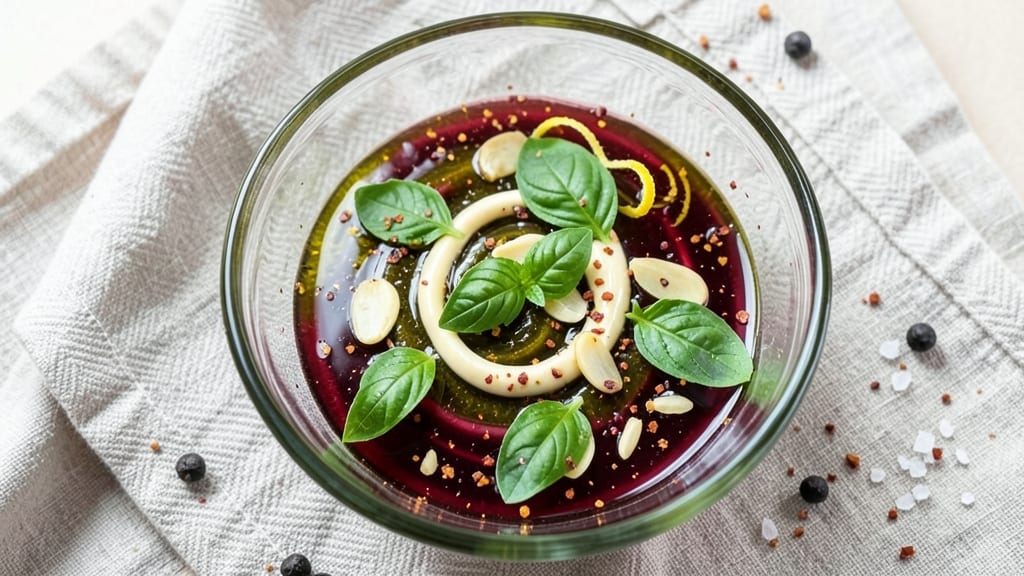
This comeback salad dressing recipe transforms wilted greens into vibrant, flavor-packed meals with a single bold pour. 🌟 The secret lies in a perfectly balanced herb-pepper vinaigrette that clings to every leaf without the heaviness of mayo—just tangy, peppery brightness with a whisper of creaminess.
I developed this after years of battling dressing that either drowned salads or left them dry, and it finally delivers that ideal balance of texture and flavor.
The magic happens with a simple ratio of high-quality olive oil to red wine vinegar, enhanced by fresh herbs and a touch of Dijon mustard for depth. No emulsifiers or complicated techniques—just a whisk and a few minutes of your time.
What makes this dressing truly special is its versatility; it elevates everything from crisp romaine to hearty kale salads, and it stays fresh in the fridge for up to a week.
What you’ll end up with is a dressing that’s light enough to let the vegetables shine but rich enough to coat each bite perfectly. The peppery kick from crushed red pepper flakes adds a subtle heat, while fresh basil and garlic bring layers of aromatic complexity.
This isn’t just another bottled dressing—it’s a game-changer that turns everyday salads into restaurant-worthy dishes.
Ready in just 5 minutes, this dressing is perfect for meal prep or last-minute lunches. The ingredients are simple, but the results are anything but ordinary. Let’s get started!
Ingredients for comeback salad dressing
Nine simple ingredients transform wilted greens into vibrant, restaurant-worthy salads.
| Ingredient | Amount | Notes |
|---|---|---|
| Extra-Virgin Olive Oil 🫒 | ¾ cup | High quality, fruity flavor |
| Red Wine Vinegar 🍷 | 0.3 cup | Dry, bold variety preferred |
| Fresh Basil Leaves 🌿 | ½ cup | Packed, stems removed |
| Garlic Cloves 🧄 | 3 cloves | Peeled, minced finely |
| Crushed Red Pepper Flakes 🌶️ | 1 ½ tsp | Adjust for heat preference |
| Dijon Mustard 🍯 | 1 tbsp | For depth and tang |
| Granulated Sugar 🍚 | 1 tsp | Balances acidity |
| Sea Salt 🧂 | ¾ tsp | Fine grain preferred |
| Freshly Ground Black Pepper 🌶️ | ½ tsp | Freshly cracked |
The olive oil and vinegar are the foundation—Trader Joe's or Whole Foods carry excellent extra-virgin options. For vinegar, Bragg or a good Italian brand adds depth. Fresh basil is non-negotiable here; the grocery store’s sad plastic containers won’t cut it. Hit the farmers market or grab a bunch from the produce section (the ones with bright green leaves, not wilted ones). Garlic? Three cloves is perfect—no need to go crazy. The crushed red pepper flakes can be adjusted—start with 1.5 teaspoons if you're sensitive to heat.
No fresh basil? Dried basil at half the amount works in a pinch, but it won’t have the same brightness. Short on red wine vinegar? Apple cider vinegar or even lemon juice in a 1:1 swap keeps things tangy. Dijon mustard too expensive? Yellow mustard at double the amount gives similar tang, though less sophistication. The sugar balances the acidity—if you're avoiding it, maple syrup at half a teaspoon works too. Salt and pepper are straightforward, but freshly cracked black pepper makes a world of difference over pre-ground.
This dressing keeps beautifully—up to 1 week in the fridge, sealed in a jar. Shake before each use to redistribute the oil. For meal prep, I double the batch and store it in two smaller jars so I can grab one for lunches. If you make extra, it also makes an amazing marinade for grilled veggies or chicken. Just remember: the longer it sits, the more the flavors meld, so if you can wait a day before using, do it—trust me.
Why You'll Love This Recipe
- Five-Ingredient Magic: I swear, this is the kind of dressing that makes me feel like a chef without the fuss. Just blend olive oil, vinegar, basil, garlic, and a pinch of red pepper—no fancy gadgets, no measuring cups, just instinct. The basil’s bright punch and that garlic heat cut through anything, even the most stubborn greens.
- Garlic-Basil Bomb: Between us, this is the only dressing I’ll use when I’m craving something that pops. The garlic cloves—lightly crushed, not minced—give it a slow-building warmth, while the basil turns it from good to “I need more” in seconds. Honestly, it’s the kind of flavor that makes a simple salad feel like a restaurant dish.
- Weeknight Workhorse: I keep a jar of this in the fridge for days. It’s my go-to for quick lunches, last-minute dinner sides, or even drizzled over grilled chicken. (Yes, even on a Tuesday night.) The red pepper flakes add just enough kick to wake up anything—no need for store-bought bottles with weird preservatives.
- Budget Brightener: Olive oil and vinegar are my pantry staples, and fresh basil grows like a weed in my windowsill. This dressing costs pennies to make but tastes like I spent hours in the kitchen. Plus, it keeps for a week, so I’m not scrambling to buy dressing every time I want something fresh.
Step-by-step instructions for bold herb-pepper vinaigrette
This dressing comes together in minutes with no mayo—just vibrant flavors that cling perfectly.
👨🍳 Step 1: Whisk Vinegar and Mustard for the Base
In a medium bowl, combine the 0.3 cup red wine vinegar, 1 tbsp Dijon mustard, 1 tsp granulated sugar, 0.75 tsp sea salt, and 0.5 tsp freshly ground black pepper. Whisk vigorously for 30 seconds until the sugar dissolves completely and the mixture looks smooth.
This step is crucial—don't skip the whisking. The sugar needs to fully integrate to balance the acidity, and the mustard will emulsify the oil later. If you see any sugar granules, keep whisking until they disappear.
🍳 Step 2: Add Garlic and Red Pepper Flakes
Stir in the 3 minced garlic cloves and 1.5 tsp crushed red pepper flakes using a wooden spoon. Let the mixture sit for 2 minutes—this allows the garlic to infuse and the red pepper to bloom its flavor without cooking.
Here's the thing—if you add the garlic too early, it can turn bitter from the acid. Waiting just 2 minutes lets it mellow while still delivering that bold, aromatic punch. The red pepper flakes will distribute evenly and intensify the dressing's heat profile.
🥘 Step 3: Gradually Incorporate Olive Oil
With the whisk moving continuously, slowly drizzle in the 0.75 cup extra-virgin olive oil while whisking vigorously. Start with a few drops at a time, then gradually increase the flow as the mixture begins to emulsify.
This is where the magic happens. You want to create a stable emulsion where the oil and vinegar don't separate. If it looks like it's breaking (oil pooling on top), add 1 tsp water and whisk again. The dressing should become thick, glossy, and perfectly balanced.
👨🍳 Step 4: Fold in Fresh Basil
Gently fold in the 0.5 cup fresh basil leaves using a spatula, being careful not to overmix. The basil should be evenly distributed but still visible—this adds freshness and vibrant color to the dressing.
Don't chop the basil unless you prefer a smoother texture. Whole leaves create visual appeal and release their aroma when tossed with salad. If you're making this ahead, remove the basil stems before storing to keep the dressing fresh longer.
⏰ Step 5: Rest and Taste for Perfect Balance
Let the dressing rest for 10 minutes at room temperature. This allows all the flavors to meld together and the emulsion to fully stabilize. After resting, give it a final taste and adjust seasoning if needed—add a pinch more salt or red pepper flakes if desired.
This dressing will keep in the refrigerator for up to 1 week in an airtight container. Before using, give it a good shake—sometimes the oil and vinegar separate slightly during storage, but it'll come back together when whisked again. Perfect for reviving any salad!
Pro Tips For Making Comeback Salad Dressing
- Toast the Garlic Slow: Heat your olive oil over low heat before adding the garlic—you’re not frying, you’re gently sweating it. I learned this the hard way after burning three batches; now I watch for just a golden whisper, not brown. Crushed red pepper flakes get tossed in after the garlic cools slightly, so they don’t scorch.
- Pulse, Don’t Chop, Basil: Tear the basil leaves roughly or pulse them in a food processor for 2-3 seconds—just enough to release oils, not turn it into pesto. Whole leaves sink to the bottom; torn leaves blend right in. (Yes, even if you’re impatient like me, resist the urge to over-blend.)
- Vinegar First, Then Oil: Whisk the red wine vinegar into the warm (not hot) oil gradually—start with half, taste, then add more. This keeps the dressing from turning bitter or separating later. My grandmother swore by this, and she was right: balance matters more than measurements here.
- Strain for Smoothness: After blending, strain the dressing through a fine-mesh sieve if you hate chewy basil bits. (I skip this when I’m lazy, but the texture is noticeably better when I don’t.) Press the pulp with a spoon—you’ll get extra flavor without the work of a food mill.
Troubleshooting your comeback salad dressing
Oil and Vinegar Separation
If your dressing looks cloudy or has a thin oil layer on top after mixing, it’s simply not emulsified enough. The fix is easy: add 1 teaspoon of water or 1 teaspoon of lemon juice and whisk vigorously for 30 seconds.
The acidity helps bind the oil and vinegar back together. This happens when oil is added too quickly or if the mixture sits too long before use. 💫
Overpowering Garlic or Pepper
Too much garlic or red pepper flakes can make your dressing taste harsh. If this happens, balance it with ½ teaspoon more sugar or a splash of 1 teaspoon olive oil to mellow the flavors.
For extra heat, add a pinch of salt—it helps round out the sharpness. I’ve found that letting the dressing sit for 10 minutes before tasting helps the flavors mellow naturally.
Dressing Too Thin or Watery
A watery dressing usually means too much vinegar or not enough oil. Fix it by whisking in 1 tablespoon more olive oil while continuing to whisk. If it’s still too thin after adding oil, let it rest for 5 minutes—sometimes the emulsion thickens on its own.
Avoid adding more vinegar, as it’ll make the problem worse. 🌡️
Basil Turning Slimy or Discolored
Fresh basil can oxidize and turn dark or slimy if stored improperly. To prevent this, remove the stems before adding it to the dressing and store the dressing in an airtight container.
If the basil looks off, simply omit it or replace it with ½ teaspoon dried basil (though it won’t be as vibrant). Always use fresh, bright green basil for the best results.
Dressing Too Sweet or Tangy
If the dressing tastes too sweet, add ½ teaspoon more red wine vinegar to cut through the sugar. For extra tang, a splash of lemon juice works well.
Conversely, if it’s too sharp, balance it with ½ teaspoon more sugar or a pinch of Dijon mustard. Taste as you go—small adjustments make all the difference!
Preventing Future Issues
To keep your dressing perfect every time, always whisk the vinegar and mustard base thoroughly before adding oil. Use a high-quality extra-virgin olive oil—cheap oil can separate more easily. Store the dressing in a clean, airtight jar and shake well before each use.
If you’re prepping ahead, make the dressing without the basil and add it fresh when ready to serve. This keeps everything bright and flavorful. ✨
Nutrition facts
Frequently asked questions
Can I make this dressing without fresh basil?
Yes! Use ½ teaspoon dried basil instead, but expect less vibrant color and aroma. For a different flavor profile, try ½ teaspoon dried oregano or ¼ teaspoon dried thyme. If you're avoiding herbs entirely, add ½ teaspoon lemon zest for brightness instead.
How do I adjust the heat level?
Start with 1 teaspoon crushed red pepper flakes for mild heat, or increase to 2 teaspoons for a spicy kick. For extra depth without heat, add ½ teaspoon smoked paprika instead. Always taste after resting—flavors mellow slightly over time.
What salads work best with this dressing?
This bold vinaigrette shines on romaine, arugula, and kale salads, but it also elevates grilled chicken, roasted veggies, and even pasta salads. The peppery notes complement hearty greens, while the herbaceous flavors work beautifully with delicate lettuces.
Can I substitute apple cider vinegar?
Use a 1:1 swap of apple cider vinegar for red wine vinegar. It'll add a slightly sweeter, milder tang that still works well. For extra depth, add ¼ teaspoon cinnamon to complement the apple notes. The dressing will be fruitier but just as balanced.
Why does my dressing separate after storing?
This is completely normal—oil and vinegar naturally separate when stored. Simply shake vigorously or whisk for 30 seconds before using. For extra stability, add 1 teaspoon water or 1 teaspoon lemon juice when making it, then whisk well. The dressing will emulsify back together perfectly.