
Salads
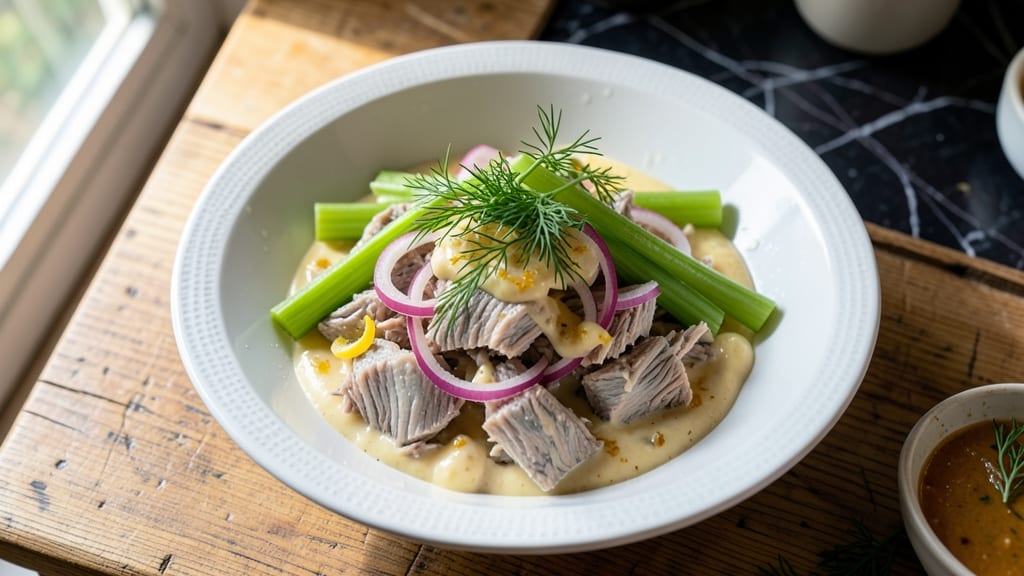
This chunky tuna salad recipe transforms canned tuna into a textured, flavor-packed dish that actually holds its shape—no soggy mayo clumps here. The secret lies in chopping the tuna finely and balancing it with crisp celery, sharp red onion, and a tangy mustard-mayo base that keeps everything cohesive.
I developed this version after years of making tuna salad that either fell apart or tasted too heavy.
What sets this recipe apart is the texture contrast: tender tuna, crisp celery, and just enough onion for bite. The mustard in the dressing cuts through the richness while keeping the salad bright and flavorful.
Unlike traditional recipes that rely solely on mayo, this version uses a 50-50 mayo-mustard blend that stays creamy without being gluey.
By the time you're done, you'll have a tuna salad that's perfect for sandwiches, crackers, or as a protein-packed side dish—bold enough to stand alone but versatile enough to customize.
The recipe scales easily for parties or meal prep, and the flavors only improve after a few hours in the fridge.
For extra texture, add diced pickles or capers, and for a lighter version, swap mayo for Greek yogurt. The key is keeping everything chopped uniformly so each bite delivers perfect balance. Let's make this salad!
Ingredients for chunky tuna salad
These 12 ingredients create a tuna salad with texture and flavor that stands up to sandwiches or crackers.
| Ingredient | Amount | Notes |
|---|---|---|
| Canned Tuna in Water 🐟 | 2 cans | Drained, finely chopped |
| Mayonnaise 🥫 | ½ cup | High-quality, full-fat preferred |
| Dijon Mustard 🍯 | ½ cup | For tangy balance |
| Celery Stems 🧅 | 2 whole | Finely diced, crisp texture |
| Red Onion 🧅 | ¼ cup | Minced, sharp bite |
| Fresh Dill 🌿 | ¼ cup | Chopped, for brightness |
| Lemon Juice 🍋 | 1 tbsp | Freshly squeezed |
| Salt 🧂 | ½ tsp | Diamond Crystal preferred |
| Black Pepper 🌶️ | ¼ tsp | Freshly ground |
| Capers 🍅 | 1 tbsp | Chopped, optional for texture |
| Extra-Virgin Olive Oil 🫒 | 1 tsp | For finishing drizzle |
| Greek Yogurt 🥛 | ¼ cup | For lighter option |
The tuna makes or breaks this recipe—opt for high-quality brands like Wild Planet or Starkist Premium for richer flavor. Celery and red onion are non-negotiable for texture; fresh is best, but frozen chopped celery works in a pinch. Fresh dill is ideal, but dried dill at one-third the amount gets you close. For the mayo, Hellmann's or Duke's are reliable, but any full-fat mayo will work. The mustard adds the tang that prevents sogginess—Dijon is best, but yellow mustard works too.
No capers? Diced pickles or chopped jalapeños add a similar briny kick. Want to lighten it up? Swap half the mayo for Greek yogurt—it stays creamy but adds protein. Running low on fresh dill? Substitute with parsley or tarragon. The olive oil finishing drizzle is optional but adds a nice brightness. For extra richness, add a tablespoon of cream cheese to the mix. If you prefer a smoother texture, pulse the tuna and celery in a food processor before mixing.
This salad keeps beautifully for 4-5 days in the fridge, with flavors deepening over time. Store in an airtight container with parchment paper pressed against the top to prevent discoloration. For meal prep, portion into single servings—perfect for lunches or appetizers. If the texture seems too wet after chilling, add a bit more chopped celery or onion to absorb excess moisture. The flavors actually improve after sitting for a few hours, so make it ahead if possible.
Why You'll Love This Recipe
- No Chopping Chaos: I swear by this recipe because the celery and onion are just chopped fine enough—no dice, no fuss. Three quick slices of celery and a rough chop of red onion (even if it’s not perfect) disappear into the mix, and suddenly you’ve got texture without the prep.
- Creamy Crunch Magic: That first bite? The mayo holds the tuna’s flakes together while the Dijon mustard cuts through, and the celery adds a satisfying crunch that makes it feel fresh. Honestly, it’s the kind of balance that turns a simple lunch into something you actually look forward to.
- Lunchbox Hero: Pack this in a jar for work or school—it keeps for days, and the flavors only get better. My kids take it in their lunches (even though they pretend they don’t like tuna), and I’ve even brought it to potlucks where it disappears faster than the chips.
- Pantry Staple Power: You’re already using what’s in your fridge—no fancy shopping needed. A can of tuna, a tub of mayo, and a stalk of celery? That’s it. Between us, this is my go-to when I’m too tired to think but still need a meal that doesn’t taste like takeout.
Step-by-step instructions for chunky tuna salad
Here's how to craft a vibrant, textured tuna salad that stays fresh and flavorful without turning gluey.
Prepare the Base Ingredients
Start by draining the 2 cans Canned Tuna in Water thoroughly and breaking them into small, even chunks with your fingers or a fork. I like to keep them slightly chunky—this creates that signature texture that sets this salad apart from smoother versions. Transfer the tuna to a large mixing bowl.
Next, finely dice the 2 whole Celery Stems and mince the 0.25 cup Red Onion into tiny pieces—you want them so fine they practically disappear when mixed in. This prevents any crunchy surprises in each bite. Chop the 0.25 cup Fresh Dill into small pieces, reserving a few sprigs for garnish if you like. The dill adds that bright, herby note that balances the richness of the tuna.
Combine Wet and Binding Ingredients
In the same bowl, add the 0.5 cup Mayonnaise, 0.5 cup Dijon Mustard, 0.25 cup Greek Yogurt, 1 tbsp Lemon Juice, 0.5 tsp Salt, and 0.25 tsp Black Pepper. I always use a high-quality mayonnaise here—it makes a noticeable difference in the final texture and flavor. The Dijon mustard adds a tangy depth that cuts through the richness of the tuna and mayo.
Gently fold everything together with a silicone spatula, being careful not to overmix. You want the ingredients to come together just enough to create a cohesive mixture, but we're aiming for that chunky texture, not a smooth paste. The Greek yogurt helps lighten the salad while keeping it creamy. At this stage, the mixture should look thick but still slightly loose—it will come together more as we add the remaining ingredients.
Add Texture and Finishing Touches
Fold in the chopped celery, onion, and dill, followed by the 1 tbsp Capers (if using). The capers add a briny pop that elevates the whole dish. Taste the mixture and adjust the seasoning if needed—sometimes the capers or lemon juice need a little more salt to balance their flavors. This is where you can really customize the salad to your preference.
Drizzle in the 1 tsp Extra-Virgin Olive Oil and give everything one final gentle fold. The olive oil adds a subtle richness and helps bind the ingredients without making the salad too heavy. The texture should be thick but still manageable—if it feels too loose, you can chill it for 15-20 minutes to let the flavors meld and the ingredients absorb any excess moisture.
Chill and Serve
Cover the bowl and refrigerate the tuna salad for at least 30 minutes before serving. Chilling allows the flavors to fully develop and the ingredients to meld together. This is especially important if you're using Greek yogurt, as it helps prevent the salad from becoming too watery.
When ready to serve, give the salad one last gentle stir to redistribute any settled ingredients. The texture should be thick but still spreadable, with visible chunks of tuna, celery, and onion throughout. Serve on toasted bread, with crackers, or as a filling for sandwiches. The bright flavors and chunky texture make this tuna salad perfect for lunches, appetizers, or even a light dinner.
Pro Tips For Making Chunky Tuna Salad
- DRAIN AND PRESS TUNA: Drain the tuna in a colander, then press it gently with a spoon to squeeze out excess water—this keeps your salad from getting watery later. (Yes, even if the can says "in water," it still needs this step.)
- CHOP ONION FINE: Use a sharp knife and dice the red onion into tiny, even pieces—think rice grains, not slices. This prevents bite-sized surprises and lets the flavor blend smoothly.
- MIX BY HAND: Skip the spoon—use your fingers to break up the tuna and distribute the mayo evenly. This ensures every chunk gets coated and avoids a clumpy mess.
- ADD CELERY LAST: Toss in the celery stems right before serving so they stay crisp. If you mix them in early, they’ll turn soggy, and nobody wants mushy celery in their tuna salad.
Common mistakes when making great chunky tuna salad
Over-Chopping the Tuna
I see this all the time—people pulsing tuna in a food processor until it turns into a paste. That's a fast track to mushy, gluey salad. Instead, break the tuna into pea-sized chunks with your fingers or a fork.
This keeps the texture vibrant and prevents the mayo from turning everything into a smooth, sad blob. 🥫
Skipping the Mustard
Some recipes call for mayo only, but that's where the sogginess starts. The Dijon mustard in this recipe acts as a binder AND adds that essential tang that cuts through the richness.
Without it, the salad loses its structure and flavor balance. Trust me, the mustard is non-negotiable for that perfect chunky texture.
Using Low-Quality Mayo
Not all mayonnaise is created equal. Store-brand mayo often contains more water, which makes your salad watery and prone to separating. I always recommend Hellmann's or Duke's for that rich, creamy base.
If you're going lighter with Greek yogurt, make sure it's full-fat—low-fat versions can make the salad dry and crumbly.
Neglecting the Chill Time
This is a big one! Serving tuna salad straight from the bowl is a mistake. The ingredients need at least 30 minutes in the fridge to fully meld and for the flavors to develop.
If you're short on time, I recommend making it the night before. The longer it chills, the better the texture and taste become.
Forgetting About Moisture Control
Celery and onion release moisture as they sit, which can turn your perfect salad into a watery mess. If your mixture looks too loose after chilling, add 1-2 tablespoons more chopped celery or onion to absorb the excess.
You can also press a paper towel against the top of the container while it chills to help draw out moisture.
Overmixing the Salad
Once you've folded in all the ingredients, resist the urge to keep stirring. Overmixing breaks down the tuna chunks and releases more moisture from the vegetables, leading to a mushy texture.
Give it just 10-15 gentle folds after adding everything, then let it sit. The flavors will come together without you having to work it to death. 💪
Nutrition facts
Frequently asked questions
Why does your recipe use both mayo and mustard?
The mayo-mustard blend creates the perfect balance—mayo provides that creamy texture while Dijon mustard adds tangy brightness that prevents sogginess. Without mustard, the salad loses structure and flavor depth. The 50-50 ratio keeps it rich but never gluey.
Can I make this salad without mayo?
Swap the mayo for ½ cup Greek yogurt (full-fat works best) plus an extra 1 tbsp lemon juice for tang. The texture stays creamy but lighter. For extra richness, add 1 tbsp cream cheese to help bind the ingredients.
How do I keep the tuna from turning gray?
Gray tuna happens when air oxidizes the fish. To prevent it, press plastic wrap directly on the surface of the salad in the container, then seal tightly. Add a squeeze of lemon juice when mixing—it helps preserve color. Store in the coldest part of your fridge for best results.
What's the best way to use up leftover chunky tuna salad?
Try these creative ideas: Stuff avocado halves for a low-carb snack, spread on toasted baguette slices with a sprinkle of paprika, or fold into warm tortillas with greens for wraps. It also makes a great filling for mini phyllo cups or cucumber boats.
Can I use fresh tuna instead of canned?
Yes! For 2 servings, use 1 lb fresh tuna (sushi-grade). Sear it in a hot pan for 2-3 minutes per side until just cooked (it'll finish in the salad). Let cool completely before chopping and mixing—this prevents the salad from turning warm and releasing moisture too quickly.