
Salads
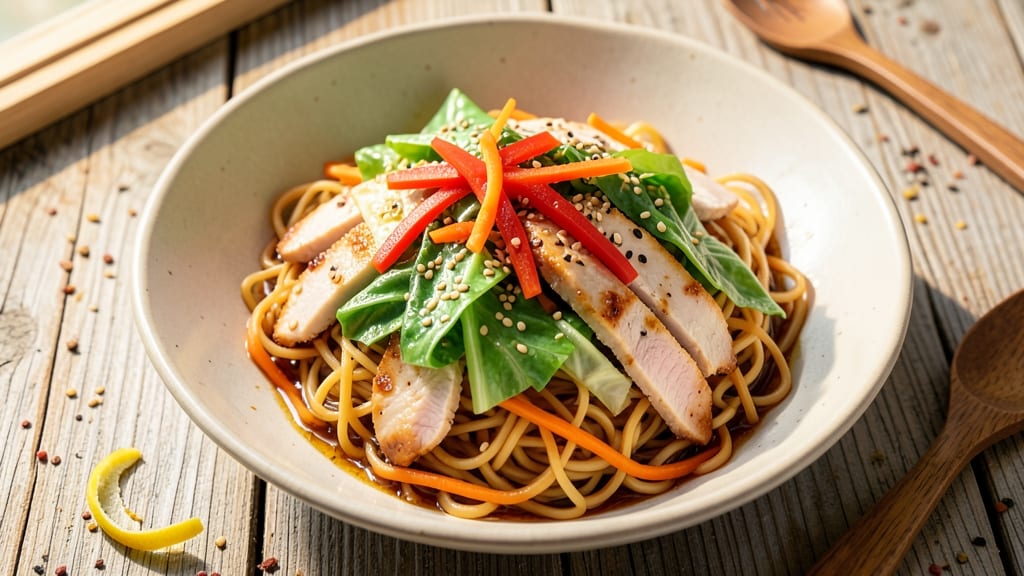
This chow mein salad recipe delivers the perfect balance of crisp, wok-tossed noodles and fresh vegetables without that dreaded mayo cling. The secret lies in high-heat stir-frying and a light, tangy dressing that coats ingredients without weighing them down.
I've perfected this version over years of testing, ensuring every bite stays crisp and flavorful—no soggy salad here.
The foundation starts with egg noodles stir-fried until golden and slightly crispy, then tossed with a mix of shredded cabbage, carrots, and protein of your choice. A simple vinaigrette—just rice vinegar, sesame oil, and a touch of soy sauce—ties everything together without overpowering the fresh ingredients.
This method keeps the texture light and satisfying, making it a standout for lunch or dinner.
What sets this chow mein salad apart is the zero-mayo approach, which eliminates the heavy, sticky texture many versions suffer from. Instead, the dressing enhances the natural crunch of the vegetables and noodles, creating a dish that's both refreshing and hearty.
The result is a salad that feels indulgent yet remains light enough for any meal.
Whether you prefer classic chicken, crispy tofu, or a vegetarian twist, this recipe adapts easily. The key is keeping everything hot and wok-tossed until the very end—this ensures that crispy texture stays intact. Ready to transform a simple salad into a restaurant-worthy dish? Let's get started.
Ingredients for chow mein salad
Crisp wok-tossed noodles, fresh vegetables, and a light vinaigrette create restaurant-quality chow mein salad without mayo.
| Ingredient | Amount | Notes |
|---|---|---|
| Egg Noodles 🍜 | 8 oz | Fresh or dried, cut into 2-inch pieces |
| Green Cabbage 🥬 | 4 cups | Shredded, outer leaves removed |
| Carrots 🥕 | 2 medium | Julienned or matchstick-cut |
| Boneless Chicken Breast 🍗 | 1 lb | Thinly sliced against grain |
| Sesame Oil 🫒 | 2 tbsp | Toasted for authentic flavor |
| Rice Vinegar 💧 | 3 tbsp | Seasoned preferred for depth |
| Soy Sauce 🥢 | 2 tbsp | Low-sodium preferred |
| Garlic Cloves 🧄 | 3 cloves | Minced, fresh preferred |
| Ginger Root 🌿 | 1 tsp | Freshly grated, peeled |
| Vegetable Oil 🫒 | 2 tbsp | High smoke point for wok-frying |
| Sesame Seeds 🌾 | 1 tbsp | Toasted for garnish |
| Salt 🧂 | ½ tsp | Diamond Crystal preferred |
| Black Pepper 🌶️ | ¼ tsp | Freshly ground |
| Red Bell Pepper 🌶️ | 1 medium | Thinly sliced, seeds removed |
| Green Onion 🧅 | 2 whole | Thinly sliced, white parts removed |
The egg noodles are the backbone of this dish—fresh or high-quality dried makes all the difference. Whole Foods or Trader Joe's carry excellent options, but avoid pre-boiled noodles that lose their bite. For the cabbage, look for vibrant green leaves with no yellowing or wilting. The carrots should be firm and crisp; avoid anything rubbery. Chicken breast should be boneless, skinless, and sliced thin against the grain for even cooking. If you're vegetarian, swap in extra-firm tofu pressed and sliced identically.
No sesame oil? Toasted peanut oil at half the amount works in a pinch, though the flavor will differ slightly. The rice vinegar should be seasoned—unseasoned requires extra salt. For a gluten-free version, use tamari instead of soy sauce. Fresh ginger and garlic are non-negotiable here—they bring the depth that dried spices can't match. If you must use dried, double the amount and toast the spices in the oil first. The red bell pepper adds sweetness and crunch; sub with shredded purple cabbage if unavailable. Always keep your wok or skillet ripping hot to maintain that signature crisp texture.
Prep the dressing last—it's best when fresh. Store components separately: noodles and veggies in one container, dressing in another. Keeps 3-4 days in the fridge when sealed properly. For meal prep, portion into individual containers with dressing on the side to prevent sogginess. The salad reheats beautifully—just toss with a splash of water and microwave for 30 seconds to revive the crispness. Garnish with toasted sesame seeds right before serving for maximum aroma and texture.
Why You'll Love This Recipe
- No Boil, No Stress: I just toss the egg noodles in cold water for 10 minutes—no overcooking, no sticky mess. The cabbage stays crisp, the carrots hold their bite, and I’m not glued to the stove. Honestly, this is the kind of recipe that lets me sip my coffee while it cooks.
- Sesame Magic: That first drizzle of sesame oil? Instant flavor upgrade. It’s nutty, warm, and cuts through the crunch of the cabbage and the tender chicken like a secret weapon. I’ll be real—it’s the one thing that makes this salad feel anything but basic.
- Lunchbox Hero: Between us, this keeps perfectly for days. Pack the leftovers with a sprinkle of sesame seeds, and it’s my go-to for work lunches or school lunches—no soggy noodles in sight. My kid even asks for it when I forget to pack something "fun."
- Budget Crunch Savior: Chicken breast might sound fancy, but I buy it in bulk and roast a whole tray for the week. Cabbage and carrots last forever, and egg noodles? Cheap as chips. This salad feeds four for the price of takeout, and I still get compliments. Win.
Step-by-step instructions for wok-tossed chow mein salad
Master the art of crisp-tender stir-fry without soggy noodles or clinging dressing.
Prep Ingredients for Even Cooking
Begin by cutting the 8 oz egg noodles into 2-inch pieces—this ensures they cook uniformly in the wok. For the vegetables, shred the 4 cups green cabbage into thin ribbons, julienne the 2 medium carrots into matchsticks, and thinly slice the 1 medium red bell pepper with seeds removed. Thinly slice the 1 lb boneless chicken breast against the grain for maximum tenderness.
Mince the 3 cloves garlic and grate the 1 tsp ginger root—both should be finely textured so they release flavor without overpowering. Thinly slice the 2 whole green onion, keeping the white and green parts separate for garnish. Have all ingredients prepped and within arm's reach before starting the cooking process—this is essential for maintaining the quick, high-heat stir-fry technique.
Stir-Fry Chicken Until Fully Cooked
Heat 2 tablespoons vegetable oil in a wok or large skillet over high heat until shimmering. Add the 1 lb boneless chicken breast in a single layer and cook undisturbed for 2-3 minutes until the edges begin to brown. Stir-fry for an additional 2-3 minutes until the chicken reaches 165°F internally and is no longer pink in the center.
Remove the chicken from the wok and set aside. The residual heat will keep it warm while you prepare the remaining ingredients. If the chicken releases easily from the wok without sticking, you've achieved the perfect sear. If it sticks, reduce the heat slightly next time—this indicates the oil wasn't hot enough.
Cook Vegetables to Crisp-Tender Perfection
In the same wok, add 2 tablespoons sesame oil and swirl to coat the bottom. Add the 4 cups green cabbage and stir-fry for 1 minute until just wilted but still vibrant. Add the 2 medium julienned carrots and 1 medium sliced red bell pepper, cooking for another 2 minutes until the carrots soften slightly but retain their texture.
Add the 3 cloves minced garlic and 1 tsp grated ginger root, stirring for 30 seconds until fragrant. The vegetables should be bright and crisp—this is the hallmark of a proper stir-fry. If they appear limp, reduce the cooking time next time. The goal is to maintain crunch while softening slightly for optimal texture.
Toss Noodles and Combine All Ingredients
Add the 8 oz cut egg noodles to the wok and stir-fry for 2-3 minutes until they're heated through and slightly crispy. Pour in 2 tablespoons soy sauce and 3 tablespoons rice vinegar, tossing everything together for 1 minute to coat evenly. The noodles should absorb the flavors without becoming mushy.
Return the cooked chicken to the wok and toss everything together for 30 seconds to combine. Season with 0.5 tsp salt and 0.25 tsp black pepper, adjusting to taste. The salad should be vibrant, with crisp vegetables, tender chicken, and perfectly cooked noodles. If the dressing seems too thin, add a splash of water or more rice vinegar to balance.
Garnish and Serve Immediately
Transfer the chow mein salad to a large serving platter. Drizzle with an additional 1 tablespoon toasted sesame oil for extra flavor, then sprinkle with 1 tablespoon toasted sesame seeds and the sliced green onion for color and crunch. Serve immediately while the vegetables are still crisp and the noodles retain their texture.
The key to this dish is timing—every component should be hot and vibrant when served. If you notice the vegetables wilting too much, reduce the cooking time slightly next time. This salad is best enjoyed fresh, with the perfect balance of textures and flavors that define an authentic chow mein experience.
Pro Tips For Making Chow Mein Salad
- Shock the Chicken: Tenderize the chicken breast by slicing it thin—paper-thin—before cooking. I used to fight with chewy bites until I realized a sharp knife and a steady hand make all the difference. Pound it to even thickness if needed, but don’t skip this step or your salad will feel like you’re chewing cardboard.
- Blanch, Not Boil: Egg noodles release starch like crazy when boiled, turning your salad into a gluey mess. Instead, shock them in boiling water for 45 seconds, then ice bath. They’ll stay firm, hold their shape, and taste like they were made yesterday—not yesterday’s leftovers.
- Shred Cabbage Dry: Wet cabbage wilts into sad, limp piles. Tear it raw, then pat it thoroughly with a kitchen towel—no half-measures. The crunch is the star here, and soggy cabbage ruins the whole party. (Yes, even if you’re impatient like me.)
- Toss Cold Noodles: Let the noodles cool completely before mixing with dressing and veggies. Warm noodles turn mushy fast, and no one wants a sad, limp salad. Spread them on a tray for 5 minutes while you prep the rest—it’s worth the wait.
Make-ahead tips for this dish
Prep Ahead Strategy
Start by prepping all ingredients the night before—this is my secret to keeping everything crisp. Store the 8 oz egg noodles in a ziplock bag with a damp paper towel to prevent drying.
Shred the green cabbage and julienne the carrots, then place them in separate airtight containers with a paper towel to absorb excess moisture.
Thinly slice the chicken breast and marinate it in 1 tbsp soy sauce and 1 tbsp rice vinegar for up to 4 hours—this keeps it tender and flavorful. 🌟
Dressing Separation
Prepare the dressing separately and store it in a small glass jar with a tight-sealing lid. The dressing should be a mix of 3 tbsp rice vinegar, 2 tbsp soy sauce, and 1 tbsp toasted sesame oil.
Keep it refrigerated until ready to use—adding it too early will cause the salad to become soggy. I like to portion it into tiny containers so I can toss it in just before serving.
Reheating for Crispiness
If you need to reheat, toss the noodles and veggies with a splash of water or vegetable broth and microwave for 30 seconds on high. This revives the crispness without making them mushy.
For the chicken, reheat it separately in a skillet over medium heat for 1-2 minutes until warmed through. Combine everything just before serving to maintain that signature wok-tossed texture.
Storage Containers
Use glass containers with tight lids for storage—they keep ingredients fresh longer than plastic. Divide the salad into portions: noodles and veggies in one container, and the dressing in another.
Store in the fridge for up to 3 days, but I recommend eating it within 2 days for the best texture. Label containers clearly to avoid mix-ups, especially if you're prepping multiple meals.
Freezer-Friendly Components
While the salad itself doesn't freeze well, you can freeze individual components for up to 1 month. Freeze the cooked chicken and vegetables separately in ziplock bags, leaving space for expansion. When ready to eat, thaw overnight in the fridge and reheat as directed.
The noodles are best cooked fresh, but you can par-cook them and store them separately in the fridge for up to 2 days.
Nutrition facts
Frequently asked questions
Why does my chow mein salad get soggy so quickly?
The #1 culprit is adding dressing too early. Always toss ingredients together right before serving to maintain crispness. For meal prep, store dressing separately and combine just before eating. Also, avoid overcooking vegetables—keep them bright and crisp with 1-2 minutes of stir-frying maximum.
Can I use dried egg noodles instead of fresh?
Yes! Cook dried noodles 1 minute less than package instructions, then rinse in cold water and drain well. The key is to keep them slightly firm so they hold their shape when stir-fried. Fresh noodles are ideal for authentic texture, but high-quality dried noodles work perfectly in a pinch.
What's the best way to make this vegetarian?
Swap chicken for extra-firm tofu pressed for 30 minutes and sliced into matchsticks. Marinate in 1 tbsp soy sauce + 1 tbsp rice vinegar for 15 minutes before stir-frying. For extra protein, add ½ cup edamame or ½ cup shredded rotisserie chicken after cooking. The tofu should be cooked until golden and crispy.
How do I adjust the dressing for spicier flavor?
Add ½ tsp chili crisp or ¼ tsp red pepper flakes to the dressing. For heat without spice, include ½ tsp sriracha mixed with the rice vinegar. Always taste before tossing—start with small amounts since flavors intensify when combined with hot ingredients. The dressing should enhance, not overpower, the natural flavors.
Is this dish gluten-free?
Not traditionally, but easily adaptable! Use tamari instead of soy sauce and rice noodles instead of egg noodles. For extra security, check all ingredients (like sesame oil) for gluten cross-contamination warnings. The recipe maintains its crisp texture even with these substitutions—just monitor cooking times closely.