
Salads
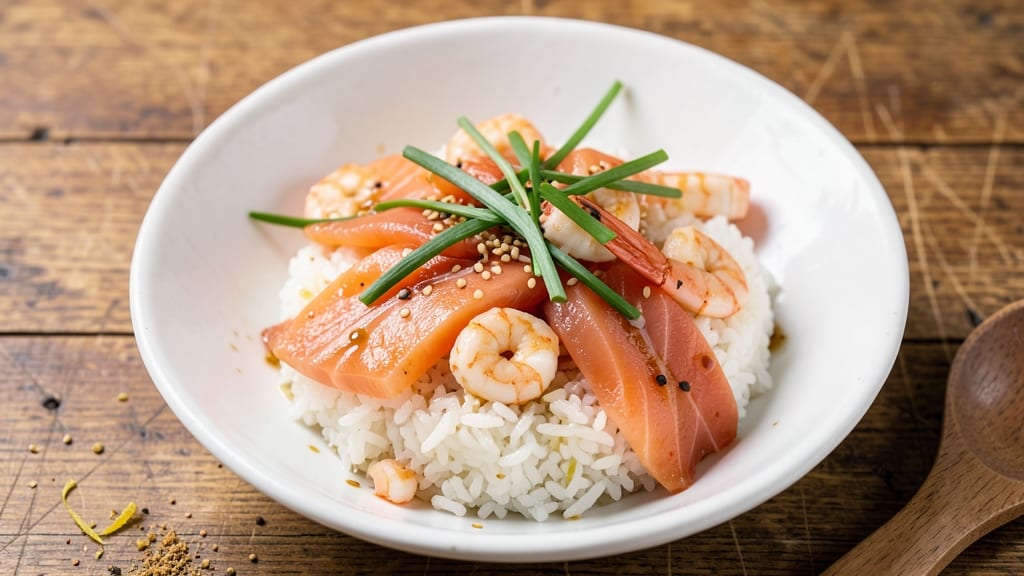
This chirashi sushi salad recipe transforms simple rice into a vibrant, customizable bowl that feels like a celebration in every bite. 💛 The secret lies in perfectly seasoned sushi rice—sticky, slightly sweet, and infused with vinegar and sugar—paired with fresh toppings that add color, texture, and flavor.
I developed this after craving a lighter take on sushi that still delivered that satisfying mix of crunch, freshness, and umami.
The beauty of chirashi is its flexibility—whether you're using raw salmon and tuna, cooked shrimp, or even avocado and cucumber for a vegetarian twist, the base remains the same.
The rice acts as a canvas, soaking up flavors from toppings like pickled ginger, sesame seeds, and a drizzle of soy glaze. It’s the kind of dish that feels special without requiring hours in the kitchen.
What you’ll end up with is a bowl that’s as visually stunning as it is delicious—golden rice speckled with bright toppings, fresh herbs, and a balance of textures from crisp vegetables to tender protein.
The best part? You can assemble it in minutes, making it perfect for weeknight dinners or a quick lunch that still feels like a treat.
Serve it with miso soup or edamame for a complete meal, or keep it simple with a side of seaweed salad. The possibilities are endless, and the results are always impressive. Let’s get started!
Ingredients for chirashi salad
These vibrant ingredients turn simple rice into a customizable, restaurant-worthy bowl.
| Ingredient | Amount | Notes |
|---|---|---|
| Short-Grain Sushi Rice 🍚 | 2 cups | Uncooked, Japanese short-grain preferred |
| Rice Vinegar 💧 | ⅓ cup | Seasoned or plain, mild flavor |
| Granulated Sugar 🍚 | ¼ cup | White or raw cane sugar |
| Salt 🧂 | 1 ½ tsp | Kosher or sea salt |
| Raw Salmon Slices 🐟 | 8 oz | Sushi-grade, thinly sliced |
| Cooked Shrimp 🦐 | 6 oz | Chilled, peeled and deveined |
| Avocado 🥑 | 1 whole | Ripe, sliced into thin strips |
| Cucumber 🥒 | ½ whole | English or Persian, thinly sliced |
| Pickled Ginger 🍯 | ¼ cup | Thinly sliced, store-bought or homemade |
| Sesame Seeds 🌾 | 1 tbsp | White or black, toasted |
| Green Onions 🧅 | 3 whole | Thinly sliced, white and green parts |
| Soy Sauce 🍶 | ¼ cup | For drizzling, low-sodium preferred |
| Wasabi Paste 🌶️ | 1 tsp | Optional, for serving |
| Sesame Oil 🫒 | 1 tsp | For finishing, toasted flavor |
The rice is the foundation, so grab Japanese short-grain—it's the only kind that gets truly sticky. Koshihikari or Calrose are my go-tos, but any sushi rice will work. Rinse it thoroughly before cooking to remove excess starch, which keeps the grains separate. For the vinegar mix, I like to use a blend of rice vinegar, sugar, and salt—this is what gives that signature tangy-sweet flavor. Trader Joe's has a great pre-mixed sushi seasoning if you're short on time, but making it fresh makes all the difference. Pick up fresh salmon and shrimp from the seafood counter—look for vibrant color and no fishy smell. Avocados should be slightly soft but not mushy, and cucumbers should be crisp with no yellowing.
No sushi-grade salmon? Smoked salmon works too, just omit the wasabi if you're serving it to kids. Shrimp too pricey? Cooked crab meat or even grilled chicken keeps things flexible. The avocado can be swapped for mango if you're not feeling savory, and cucumbers can be swapped for shredded carrots. For the pickled ginger, any brand from the Asian aisle works—just make sure it's not too spicy. Sesame seeds can be toasted in a dry pan for 2 minutes until fragrant, or buy them pre-toasted. The green onions add a bright pop, so don't skip them—they're the perfect fresh finish. If you're serving this to a crowd, double the rice and toppings, but keep the proportions balanced.
Rice keeps well for 3-4 days in the fridge, covered tightly. The toppings should be added fresh when serving, but you can prep everything except the avocado (which browns) a day ahead. Store the avocado in the fridge, wrapped tightly in plastic, and slice it just before serving. The wasabi and sesame oil can be kept in the pantry for up to a year, but once opened, the wasabi loses its kick after about 6 months. For leftovers, store everything separately—mix just before eating to keep the rice from getting soggy. This dish reheats beautifully, but the best part is that it's even better at room temperature, so serve it fresh whenever possible.
Why You'll Love This Recipe
- I’ll be real: sushi rice and fresh salmon aren’t cheap, but this recipe makes a full serving for two with leftovers that taste just as good the next day. Use smaller salmon portions or swap in canned tuna for a budget-friendly twist—it’s still delicious, just more affordable.
- No Rice Burner Needed: I’ll admit, I used to skip sushi rice because I didn’t want to deal with the rice cooker. Then I discovered this—just cook the short-grain rice like usual, fluff it with a fork, and mix in the vinegar-sugar dressing. No special tools, no stress.
- Salmon So Simple: Honestly, the raw salmon is the star here. Thinly sliced, it sits on top of the rice like a delicate blanket—no overcooking, no waiting for it to thaw. Just slice, arrange, and let the natural flavor shine through the bright vinegar dressing.
- Lunchbox Hero: Between us, this is my go-to for packed lunches. The rice stays fluffy for hours, the salmon doesn’t wilt, and the dressing keeps everything fresh. Toss in some cucumber or avocado if you’re feeling fancy, but even plain, it’s a solid, satisfying meal.
Step-by-step instructions for chirashi sushi salad
Here's how to assemble this vibrant, customizable rice bowl with perfect texture and balance.
🍳 Step 1: Cook and Season the Sushi Rice
Rinse the 2 cups short-grain sushi rice under cold water until the water runs clear. This removes excess starch that would make the rice gummy. Drain well and transfer to a pot with 2 cups water, 1.5 teaspoons salt, and 0.25 cup granulated sugar. Bring to a boil, then reduce heat to low, cover, and simmer for 15 minutes. Turn off heat and let it steam for 10 minutes without lifting the lid.
Here's the thing—I always fluff the rice gently with a fork right in the pot to separate the grains. Then spread it on a tray to cool slightly before assembling. Warm rice sticks together better, and you want that fresh, just-cooked texture when you build your bowls.
👨🍳 Step 2: Prepare the Toppings
Slice the 1 whole avocado into thin strips and toss with 1 teaspoon sesame oil to prevent browning. Thinly slice the 0.5 whole cucumber lengthwise, then cut into half-moons. Thinly slice the 3 whole green onions, separating the white and green parts. Arrange all toppings on a plate and cover with plastic wrap to keep them fresh.
For the 8 oz raw salmon slices, keep them on ice until ready to serve. The 6 oz cooked shrimp should be chilled and ready to add at the last minute. I like to arrange toppings in small piles on a serving platter so everyone can customize their bowls. The 0.25 cup pickled ginger can be sliced thinly for garnish or served on the side.
🥘 Step 3: Assemble the Chirashi Bowls
Divide the cooked rice evenly among 4 bowls, mounding it slightly in the center. Arrange the avocado strips, cucumber slices, and green onion whites in concentric circles around the rice. Place the salmon slices and shrimp on top, fanning them out for visual appeal. Sprinkle with 1 tablespoon sesame seeds and the green onion tops.
Here's where it gets fun—let everyone customize their bowls. I always keep extra toppings on the table so people can add more shrimp or salmon if they're hungry. The pickled ginger adds a nice tangy contrast to the rich fish and creamy avocado.
🍽️ Step 4: Finish with Sauces and Garnishes
Drizzle each bowl with 0.25 cup soy sauce and a few drops of 1 teaspoon sesame oil. For those who like it spicy, offer the 1 teaspoon wasabi paste on the side. I like to serve this immediately while the rice is still warm and the toppings are fresh. The combination of textures—creamy avocado, crisp cucumber, tender shrimp, and flaky salmon—makes every bite exciting.
This dish is all about balance. The tangy rice vinegar seasoning cuts through the richness of the fish, while the crunchy cucumber and sesame seeds add contrast. Don't forget to garnish with extra sesame seeds and green onions right before serving for that restaurant-quality presentation.
Pro Tips For Making Chirashi Salad
- Rinse Rice Twice: Cold water only, first rinse starchy—second rinse clear. I learned this the hard way: skipping the second rinse leaves your rice gummy, and no amount of vinegar dressing will save it.
- Salt the Salmon First: Lightly coat raw salmon slices with flaky salt (½ tsp per 100g) and let sit 10 minutes before arranging. This draws out moisture so it doesn’t turn soggy when mixed with the vinegar dressing—your rice will stay crisp.
- Dress Rice at Room Temp: Wait until the rice has cooled completely before tossing with dressing. Cold rice absorbs the vinegar-sugar mix better, and you’ll avoid that sad, watery puddle at the bottom of your bowl.
- Use Granulated Sugar Directly: Skip the honey or mirin—just dissolve 1 tbsp granulated sugar in 3 tbsp rice vinegar first. It blends smoother, and the sharpness cuts through the richness of the salmon without cloying sweetness. (Yes, even if you’re skeptical.)
Make-ahead tips for this dish
Rice Prep Ahead
Cook the sushi rice up to 2 days in advance—it actually tastes better as it absorbs more of the vinegar flavor. Store it in an airtight container at room temperature, covered with a damp paper towel to prevent drying.
Before assembling, gently reheat in the microwave for 1-2 minutes with a splash of water to restore moisture. This trick saves time and keeps the rice perfectly sticky. 💡
Topping Prep Strategy
Prep all toppings 1 day ahead except the avocado and raw fish. Store the cucumber, green onions, and pickled ginger in separate containers in the fridge. For the cooked shrimp, chill it in a sealed container with a paper towel to absorb moisture.
The salmon should be kept on ice until serving to maintain freshness. This organization makes assembly a breeze. ✨
Avocado Handling
Avocados are tricky—they brown quickly! Keep the whole avocado in the fridge until ready to slice. Toss the slices immediately with 1 teaspoon sesame oil and a pinch of salt to preserve color. I like to store the oil separately and mix it right before serving.
For extra prep, you can slice the avocado up to 4 hours ahead if you keep it submerged in cold water in an airtight container. 🥑
Sauce Prep Shortcut
Make a double batch of the rice seasoning—it keeps for 1 week in the fridge. Mix 1 cup rice vinegar, ½ cup sugar, and 3 teaspoons salt in a jar. Shake before using to dissolve any settled sugar.
This saves time and ensures consistent flavor every time. I also pre-mix the soy sauce and sesame oil in a small bowl for quick drizzling. 🍶
Garnish Organization
Set up a garnish station with small bowls for each topping. Use sesame seeds in a tiny dish, green onions in a separate one, and pickled ginger in a third. Keep the wasabi paste in a small dish with a spoon for easy access.
This keeps everything tidy and makes it easy for guests to customize their bowls. The presentation looks just as good as it tastes! 💫
Reheating Leftovers
If you have leftovers, store the rice and toppings separately in airtight containers. Reheat the rice alone in the microwave for 2 minutes, then add fresh toppings when serving. The avocado and cucumber should be added last to maintain crispness.
For extra flavor, drizzle with a little more sesame oil and soy sauce before eating. Leftovers keep well for 2 days in the fridge. 🔥
Nutrition facts
Frequently asked questions
Can I make chirashi salad without raw fish?
This dish is incredibly flexible. Swap the raw salmon for cooked proteins like grilled chicken, shrimp, or even tofu. You can also use smoked salmon or canned tuna for a vegetarian-friendly option. The key is balancing flavors—add extra pickled ginger or sesame seeds for that signature tangy crunch.
How do I keep the rice from getting soggy?
Store cooked rice in an airtight container at room temperature (covered with a damp paper towel) for up to 2 days. When reheating, add just a splash of water and microwave for 1-2 minutes. Always add toppings fresh—especially cucumber and avocado—to maintain crispness. The rice should be warm but not wet when assembling.
What's the best way to arrange the toppings?
Start with a mound of rice in the center of your bowl. Arrange toppings in concentric circles: place cucumber and avocado slices around the base, then fan out the salmon and shrimp on top. Sprinkle sesame seeds and green onions over everything for color. The goal is visual balance—think of it like a miniature sushi platter in bowl form!
Can I use instant rice for this recipe?
Not ideal, but possible in a pinch. Instant rice lacks the stickiness of sushi rice, so the dish won't have that signature texture. If you must use it, look for "short-grain" instant rice (like Koshihikari) and mix in 1 tablespoon rice vinegar and ½ teaspoon sugar per cup of cooked rice to mimic the seasoning. The flavor won't be identical, but it'll work for a quick meal.
How do I make this dish kid-friendly?
Skip the raw fish and wasabi—opt for cooked shrimp, diced chicken, or even ham. Use milder toppings like shredded carrots, corn, and cucumber. Serve the soy sauce on the side (or omit it) and focus on the sweet-savory rice. Kids love arranging their own bowls, so set up a topping bar with their favorite ingredients!