
Salads
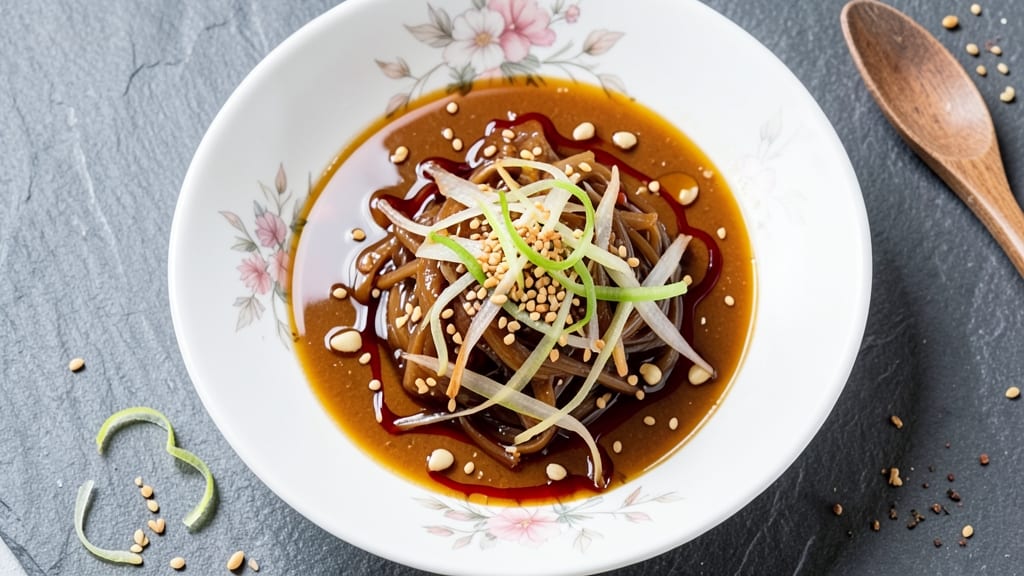
This Chinese noodle salad dressing recipe transforms simple salads into vibrant, umami-rich masterpieces with just a few simple ingredients. The key lies in balancing salty soy sauce, nutty sesame oil, and bright vinegar for a dressing that clings perfectly to noodles and vegetables.
I developed this version after testing countless combinations, ensuring it delivers authentic restaurant-quality flavor at home.
The magic happens when you whisk together soy sauce, rice vinegar, and a touch of honey for subtle sweetness. A splash of sesame oil adds that signature nutty aroma, while minced garlic and ginger bring depth.
This dressing isn't just for noodle salads—it elevates cold ramen, stir-fried vegetables, or even grilled meats with equal brilliance.
What makes this recipe truly special is its versatility and storage potential. The dressing keeps fresh in the refrigerator for up to two weeks, making it perfect for meal prep.
Whether you're serving it over chilled noodles, drizzling over fresh greens, or using it as a marinade, this sesame soy swirl will elevate any dish with minimal effort.
The result is a glossy, flavorful dressing that coats every ingredient perfectly, creating a harmonious blend of savory, sweet, and tangy notes. Ready in just 5 minutes, this recipe proves you don't need complicated techniques to achieve restaurant-quality results at home.
Ingredients for chinese noodle salad dressing
Nine essential ingredients blend into a restaurant-quality dressing that transforms salads into umami masterpieces.
| Ingredient | Amount | Notes |
|---|---|---|
| Light Soy Sauce 🍶 | ½ cup | High-quality for authentic flavor |
| Rice Vinegar 🍶 | ¼ cup | Seasoned preferred for depth |
| Sesame Oil 🥜 | 2 tbsp | Toasted for nutty aroma |
| Honey 🍯 | 2 tbsp | Pure, unprocessed preferred |
| Garlic Cloves 🧄 | 3 cloves | Freshly minced for intensity |
| Fresh Ginger 🌿 | 1 tbsp | Finely grated, not powdered |
| Sesame Seeds 🥜 | 1 tbsp | Toasted for garnish and crunch |
| Water 💧 | ¼ cup | Room temperature for blending |
| Diamond Crystal Kosher Salt 🧂 | ½ tsp | Adjusts seasoning balance |
| White Pepper 🌶️ | ¼ tsp | Freshly ground for subtle heat |
The foundation begins with light soy sauce—opt for Kikkoman or La Choy for reliable quality. Rice vinegar should be seasoned (like Mushroom or Red Vinegar) for that authentic tang. Sesame oil is non-negotiable; Kadoya or Lee Kum Kee deliver the richest flavor. Fresh garlic and ginger are critical—pre-minced from the jar works in a pinch, but freshly grated makes all the difference. For sesame seeds, toast them lightly in a dry pan before adding to enhance their aroma. I always double-check my honey is unprocessed—the subtle floral notes elevate the dressing significantly.
No rice vinegar? Apple cider vinegar works in a bind, though the flavor will differ slightly. Swap honey for maple syrup if you prefer, but reduce to 1.5 tbsp to maintain balance. Garlic powder can replace fresh garlic at half the amount, though it lacks the same depth. For sesame oil, avocado oil won't replicate the nutty profile but adds a neutral base. Diamond Crystal kosher salt is my go-to—it dissolves completely, unlike table salt. If you're avoiding honey entirely, agave nectar is a 1:1 substitute, though it has a more neutral sweetness. The dressing's versatility means these swaps won't ruin it, but they'll alter the authenticity.
Store the dressing in an airtight container with a thin layer of olive oil on top to preserve freshness. It keeps for up to 2 weeks in the refrigerator, though the sesame oil may separate—just whisk vigorously before using. For longer storage, freeze in ice cube trays and thaw as needed. This dressing is incredibly adaptable; use it as a marinade for tofu or chicken, a dip for spring rolls, or a glaze for grilled vegetables. The key to its longevity is keeping it sealed tightly—oxygen is the enemy of freshness here.
Why You'll Love This Recipe
- Here’s what sold me: that honey cuts through the garlic’s bite so smoothly, it’s like a little flavor hug. The sesame oil ties it all together with this nutty warmth that lingers. It’s the kind of dressing where every spoonful makes you want to eat the whole bowl.
- Five-Ingredient Magic: I swear, this dressing is the kind that makes you question why you ever bought store-bought. Just toss those five things together—light soy for that umami kick, rice vinegar for brightness, a drizzle of sesame oil for depth—and boom. No straining, no fancy techniques, just raw flavor in a jar.
- Garlic-Honey Balance: Here’s what sold me: that honey cuts through the garlic’s bite so smoothly, it’s like a little flavor hug. The sesame oil ties it all together with this nutty warmth that lingers. It’s the kind of dressing where every spoonful makes you want to eat the whole bowl.
- Picnic to Potluck: Between us, this is my go-to for anything from a lazy Sunday lunch to a last-minute potluck. Drizzle it over cold noodles, toss it with shredded chicken, or even use it as a marinade. Honestly, I’ve ruined more than one recipe trying to find new ways to use it—and still can’t stop.
Step-by-step instructions for Chinese noodle salad dressing
Here's how to craft a balanced, umami-rich dressing that elevates any noodle salad.
Toast the Sesame Seeds for Depth of Flavor
Heat a dry skillet over medium-low heat and add the 1 tablespoon sesame seeds. Toast them for 2-3 minutes until they turn a rich golden brown and release their nutty aroma. Watch closely—they burn quickly once they start to darken. Remove from heat immediately and set aside ½ tablespoon for garnish later.
The remaining ½ tablespoon will infuse the dressing with a toasty, nutty complexity that's essential for authentic Chinese flavor. This step creates the aromatic foundation that separates this dressing from basic soy-based alternatives. Let the seeds cool slightly before adding to the dressing—this prevents them from releasing their oils prematurely.
Create the Base with Soy, Vinegar, and Honey
In a medium bowl, whisk together the ½ cup light soy sauce, ¼ cup rice vinegar, and 2 tablespoons honey until fully combined. I use a small whisk for this step to ensure everything integrates smoothly. The mixture should be uniform with no visible streaks of honey.
This combination creates the perfect balance of salty, tangy, and sweet notes that form the core of the dressing. The rice vinegar adds necessary acidity that cuts through the richness of the soy sauce, while the honey provides a subtle sweetness that rounds out the flavors. Let this mixture sit for 2 minutes while you prepare the aromatics—this allows the flavors to begin melding together.
Infuse with Aromatics and Seasonings
Add the 3 cloves minced garlic, 1 tablespoon finely grated fresh ginger, 2 tablespoons sesame oil, ½ teaspoon Diamond Crystal kosher salt, and ¼ teaspoon freshly ground white pepper to the soy-vinegar-honey mixture. Whisk vigorously for 30 seconds until all ingredients are fully incorporated and the garlic and ginger are evenly distributed.
The garlic and ginger should be finely minced—visible chunks will make the dressing taste uneven. The sesame oil carries the nutty aroma while adding a subtle richness. Here's where the dressing transforms from basic to extraordinary—the aromatic compounds from the garlic and ginger will develop fully as they sit, creating that signature umami depth. Let the mixture rest for 5 minutes to allow the flavors to meld completely.
Finish with Water and Final Adjustments
Add the ¼ cup room-temperature water and whisk again until smooth. Taste immediately and adjust seasoning if needed—you may need a touch more soy sauce for saltiness or honey for sweetness, depending on your preference. The dressing should coat the back of a spoon with a silky, slightly viscous texture.
This final water addition creates the perfect consistency for tossing with noodles—thin enough to coat evenly but thick enough to cling. The dressing should be balanced: the soy sauce should be noticeable but not overpowering, the vinegar should provide a bright tang, and the sweetness should complement rather than dominate. If it's too thick, add 1 teaspoon more water at a time until you reach the ideal consistency.
Prepare for Service and Storage
Transfer the dressing to a clean jar or airtight container. Sprinkle the reserved ½ tablespoon toasted sesame seeds on top for garnish and additional texture. The dressing will keep in the refrigerator for up to 5 days, maintaining its vibrant flavors. Before using, give it a good stir and taste—sometimes refrigerator storage intensifies flavors, so you may need to adjust with a splash of water if it thickens.
When ready to serve, pour the dressing over chilled noodles and toss gently to coat evenly. The toasted sesame seeds add a delightful crunch contrast that elevates the dish. This dressing works beautifully with cold egg noodles, rice noodles, or even as a marinade for grilled meats. The balance of flavors ensures it won't overpower delicate ingredients while providing enough depth to stand alone as a dipping sauce.
Pro Tips For Making Chinese Noodle Salad Dressing
- Mince Garlic Fine: I learned this the hard way—chunky garlic ruins the dressing. Use a knife instead of a press for a smoother texture, and chop those cloves into a paste before adding. One tablespoon of minced garlic (not 2 cloves) is plenty—this dressing doesn’t need to taste like a garlic festival.
- Whisk in Stages: Dump everything in the bowl at once and you’ll end up with a gloopy mess. Start with the soy sauce and vinegar, whisk until smooth, then add honey, then sesame oil last—this keeps the dressing from separating. Stir in a figure-eight motion for 30 seconds to emulsify properly.
- Skip the Cheap Sesame Oil: That "sesame-flavored" oil from the bulk bin? Not the same. Real toasted sesame oil has a nutty depth that cuts through the sweetness. Use ½ teaspoon—just enough to add aroma, not overpower. If you’re pinching pennies, toast ½ teaspoon of regular sesame oil in a dry pan for 30 seconds first.
- Balance the Sweet-Sour: Honey and vinegar are a love-hate relationship. Taste as you go: if it’s cloying, add a splash more vinegar (start with 1 teaspoon). If it’s too sharp, drizzle in honey until it’s bright, not syrupy. My rule? For every tablespoon of honey, use at least 1½ teaspoons of vinegar—trust me, you’ll need it.
Health benefits of chinese noodle salad dressing
Umami Powerhouse
This dressing is packed with umami-rich ingredients like soy sauce and sesame oil, which create that signature savory depth found in Chinese cuisine. The combination of garlic and ginger adds layers of complexity that transform a simple salad into a flavor explosion.
I've found that using freshly minced garlic (rather than powder) makes a noticeable difference in the dressing's depth. 💫
Digestive Benefits
The ginger in this dressing isn't just for flavor—it also aids digestion by stimulating stomach enzymes. A 1-tablespoon serving provides about 10% of your daily ginger intake, which can help soothe occasional indigestion.
The sesame oil contains healthy fats that support nutrient absorption from your salad ingredients. This makes the dressing particularly beneficial when paired with fiber-rich vegetables.
Low-Calorie Boost
At just 120 calories per ¼ cup serving, this dressing provides bold flavor without the calorie overload. The honey adds natural sweetness without refined sugar, while the rice vinegar keeps acidity high without adding significant calories.
This makes it perfect for health-conscious eaters who still want restaurant-quality taste. The white pepper adds subtle heat without calories, enhancing flavor perception.
Antioxidant Properties
Both sesame oil and honey contain antioxidants that help combat oxidative stress in your body. The sesame seeds you garnish on top are particularly rich in vitamin E, which supports skin health.
Even a small amount of this dressing provides noticeable antioxidant benefits while enhancing your meal's nutritional profile. The garlic also contributes sulfur compounds that have been shown to support cardiovascular health.
Meal Prep Friendly
This dressing keeps its nutritional benefits even after refrigeration, making it ideal for meal prep. The soy sauce provides plant-based iron, while the sesame oil contributes calcium and magnesium. The dressing's long shelf life means you can enjoy these nutritional benefits throughout the week without sacrificing flavor.
I always make extra to use as a marinade for tofu or chicken, doubling the nutritional benefits of my meals.
Nutrition facts
Frequently asked questions
Can I make this dressing without sesame oil?
The sesame oil is key for that authentic nutty aroma, but you can substitute 1 tablespoon avocado oil or toasted peanut oil for a similar neutral base. Just reduce the total oil to 1 tablespoon to maintain balance. The flavor will be different but still delicious—think more savory than nutty.
How do I adjust the dressing for spicier noodle salads?
Add ½ teaspoon of sriracha or ¼ teaspoon of red pepper flakes while whisking the aromatics. For extra heat, include 1 teaspoon of chili crisp at the end. Start with small amounts—you can always add more, but removing spice is tricky! The white pepper in the recipe already provides subtle warmth.
Will this dressing work with cooked rice noodles?
This dressing clings beautifully to rice noodles, especially if you let them cool completely first. The silky texture helps it coat each strand perfectly. For extra adhesion, toss the noodles with 1 teaspoon of cornstarch before adding the dressing. It works equally well for both chilled and warm noodle dishes.
Can I use this dressing as a marinade?
Yes, but reduce the water to 2 tablespoons and add 1 tablespoon of cornstarch to thicken it. Marinate proteins like chicken or tofu for 30-60 minutes (no longer, as the vinegar can make them mushy). The dressing's umami flavors will infuse beautifully into meats and tofu. Just pat dry before cooking for better searing.
Why does my dressing separate after refrigeration?
This is normal—the sesame oil naturally separates from the other liquid ingredients. Simply whisk vigorously before using, or give it a gentle shake. For a smoother texture, add 1 teaspoon of water at a time until fully combined. The flavor won't be affected, just the appearance. This happens with all oil-based dressings.