
Salads
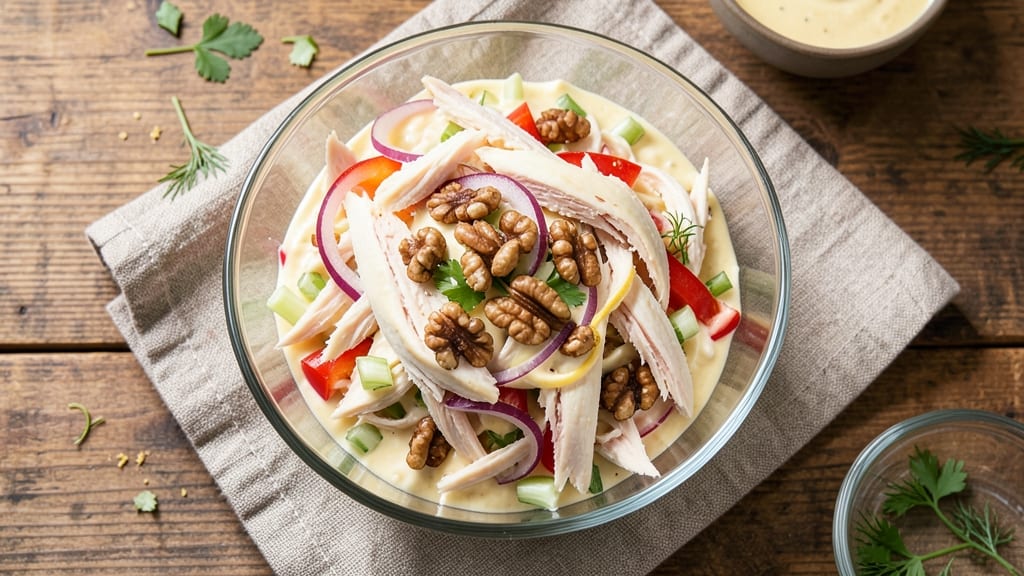
This chicken salad recipe using a food processor delivers ultra-creamy texture without the risk of overmixing—perfect for lunch prep or elegant gatherings. The secret lies in processing ingredients in stages, ensuring a smooth, evenly distributed salad with no dry spots.
I developed this method after struggling with lumpy textures in traditional recipes, and it never fails to impress.
The food processor transforms ingredients like celery and nuts into fine, even pieces that blend seamlessly with shredded chicken and mayo. This approach saves time while creating a salad that's rich, tender, and packed with flavor.
The key is adding ingredients gradually to maintain the perfect consistency—no need for chopping by hand or dealing with uneven textures.
What you'll end up with is a creamy, velvety chicken salad that's ideal for sandwiches, wraps, or as a standalone dish. The food processor ensures every bite is perfectly balanced, with no risk of overworking the mixture.
This recipe is foolproof for beginners but delivers restaurant-quality results for anyone looking to elevate their lunch game.
Serve on crusty bread, in lettuce wraps, or with crackers for a versatile meal that's as satisfying as it is easy to prepare. The method works equally well with white or dark meat, making it adaptable for any preference. Let's get started on this game-changing chicken salad!
Ingredients for chicken salad recipe using food processor
The perfect blend of proteins, fresh vegetables, and pantry staples transforms into ultra-creamy chicken salad.
| Ingredient | Amount | Notes |
|---|---|---|
| Cooked Chicken Breast 🍗 | 1 ½ lb | Boneless, skinless, shredded finely |
| Mayonnaise 🥛 | ¾ cup | High-quality, full-fat preferred |
| Celery Stems 🧅 | 2 whole | Fresh, strings removed, chopped finely |
| Red Bell Pepper 🌶️ | ½ cup | Diced finely, seeds removed |
| Red Onion 🧅 | ¼ cup | Finely diced, mild flavor |
| Walnuts 🥜 | ½ cup | Toasted lightly, chopped coarsely |
| Fresh Dill 🌿 | ¼ cup | Chopped finely, stems removed |
| Lemon Juice 🍋 | 1 tbsp | Freshly squeezed, bright flavor |
| Diamond Crystal Kosher Salt 🧂 | ½ tsp | Adjust to taste, fine grain |
| Freshly Ground Black Pepper 🌶️ | ¼ tsp | Freshly cracked for best flavor |
| Extra-Virgin Olive Oil 🫒 | 1 tbsp | For binding and richness |
| Greek Yogurt 🥛 | ¼ cup | Plain, full-fat for creaminess |
| Apple Cider Vinegar 🍎 | 1 tsp | For subtle tanginess |
The chicken is the foundation, so choose boneless, skinless breast for tender texture. Pre-cook and shred it finely—room temperature works best for even processing. For celery and nuts, freshness matters: wilted celery or stale nuts will compromise texture. I source my walnuts from Trader Joe's for consistent quality, but any brand works if toasted lightly. Fresh dill is ideal, but dried dill at one-third the amount works in a pinch. The red bell pepper adds sweetness without overpowering—look for firm, vibrant peppers at the grocery store.
No mayonnaise? Greek yogurt mixed with olive oil (1:1 ratio) delivers similar creaminess. Substitute walnuts with pecans or almonds if preferred, though texture may vary slightly. For extra tang, lemon juice can be swapped with apple cider vinegar (use equal amounts). The Greek yogurt is non-negotiable for that restaurant-quality creaminess—full-fat ensures no dryness. If you dislike dill, fresh parsley or chives work as alternatives. The food processor stages are critical: pulse celery and nuts first, then add chicken gradually to avoid overmixing.
Store the salad in an airtight container with parchment paper between layers to prevent sogginess. Keeps for 3-4 days in the fridge, though flavor peaks within 24 hours. For meal prep, divide into single-serving containers—perfect for sandwiches or wraps. The texture holds beautifully when chilled, but add a splash of mayo or olive oil if it seems dry after refrigeration. Freezing isn't recommended due to texture changes, but the base ingredients (chicken, veggies, nuts) freeze well separately for future batches.
Why You'll Love This Recipe
- Processor Magic: The food processor does all the chopping for me—celery, bell pepper, onion—into perfect, even bits in seconds. No knife skills required, just pulse and go.
- Creamy Crunch Perfection: That mix of mayo, shredded chicken, and crisp veggies? It’s the kind of texture you can’t resist—tender chicken with just the right bite from the celery and bell pepper. Honestly, the first bite makes it all worth it.
- Lunchbox Hero: Pack it in wraps for work, slather it on crackers for snacks, or serve it cold at a picnic—this salad travels like a dream. I’ve even used it as a filling for tacos when I’m feeling fancy.
- Budget-Friendly Staple: A few chicken breasts, a jar of mayo, and some veggies from the crisper drawer stretch into meals all week. Between us, this is my go-to when I’m trying to save money without sacrificing flavor.
Step-by-step instructions for creamy chicken salad using a food processor
Here's how to achieve perfect texture without overworking the mixture.
Prepare All Ingredients for Efficient Processing
Begin by finely shredding the 1.5 lb cooked chicken breast using two forks or your hands. This ensures even distribution and prevents large chunks in the final salad. In a separate bowl, combine the 2 whole celery stems (strings removed), 0.5 cup red bell pepper (diced finely), 0.25 cup red onion (finely diced), and 0.5 cup walnuts (lightly toasted and chopped coarsely). The celery and onion should be small enough to blend smoothly, while the walnuts add texture contrast.
Toast the walnuts in a dry skillet over medium heat for 3-4 minutes, stirring constantly until fragrant. This enhances their nutty flavor and prevents bitterness. Let them cool completely before adding to the mixture. The finely chopped vegetables will blend seamlessly with the chicken, creating a uniform texture.
Process Chicken and Vegetables for Ultra-Smooth Texture
Transfer the shredded chicken, celery mixture, and 0.25 cup fresh dill (chopped finely) to the bowl of a food processor. Pulse in 3-4 second bursts until the mixture is finely chopped but not pasty. Over-processing releases too much moisture, making the salad greasy. Stop when the chicken and vegetables resemble coarse breadcrumbs—this ensures a creamy yet light texture.
Scrape down the sides of the bowl with a spatula to incorporate any stuck bits. The goal is to distribute the ingredients evenly without creating a thick, dense mass. This step is critical for achieving the promised creamy consistency without overmixing.
Combine Wet Ingredients for Creamy Binding
In a separate bowl, whisk together the 0.75 cup mayonnaise, 0.25 cup Greek yogurt, 1 tbsp extra-virgin olive oil, 1 tbsp lemon juice, 1 tsp apple cider vinegar, 0.5 tsp Diamond Crystal kosher salt, and 0.25 tsp freshly ground black pepper. This mixture should be smooth and well-emulsified. The yogurt adds tanginess and lightness, while the vinegar brightens the flavors. Taste and adjust seasoning if needed—this is your flavor base.
The olive oil and lemon juice work together to balance the richness of the mayonnaise and yogurt. The vinegar introduces a subtle acidity that cuts through the fat, creating a well-rounded flavor profile. This combination ensures the salad stays creamy without becoming heavy.
Merge Components for Perfect Consistency
With the food processor running on low speed, slowly add the wet ingredient mixture through the feed tube. This gradual incorporation prevents the chicken from becoming waterlogged or the texture from turning greasy. Process for 10-15 seconds until just combined—no longer. The salad should hold its shape when spooned but still be light enough to eat without feeling dense.
If the mixture appears too thick, add 1-2 teaspoons of ice water at a time until it reaches your desired consistency. The key is to maintain a balance between creaminess and lightness. Overworking at this stage will break down the chicken fibers, resulting in a mushy texture. Stop as soon as everything is evenly distributed.
Rest and Adjust for Optimal Flavor
Transfer the chicken salad to a serving bowl and let it rest at room temperature for 10 minutes. This allows the flavors to meld and the texture to set slightly. Taste again and adjust seasoning if needed—you may need a touch more salt or lemon juice to enhance the flavors. The salad should be creamy but not greasy, with a perfect balance of tangy, savory, and nutty notes.
For best results, serve immediately or refrigerate for up to 2 days. The flavors continue to develop as it sits, making it even more delicious when served cold. This method guarantees a creamy, well-textured chicken salad that stays true to its promise without any overmixing.
Pro Tips For Making Chicken Salad Recipe Using Food Processor
- CHOP CHICKEN SMALL: Toss the cooked chicken into the food processor in 2-3 batches—never all at once. You want it shredded, not glued into a paste, and processing cold chunks in stages keeps the texture light and fluffy. I learned this the hard way when my first attempt turned into a sad, dense lump.
- ADD MAYO LAST: Pulse the celery, bell pepper, and onion first, then add the chicken and mix just until combined. Only stir in the mayo at the very end—this prevents the salad from turning greasy or losing its crisp texture. Trust me, your sandwiches will thank you.
- SKIP THE WET ONION: Pat the red onion dry with a paper towel before chopping—even a little moisture makes it soggy in the food processor. A damp onion turns your salad into a watery mess, and no one wants that. Take the 10 seconds to dry it; your taste buds will notice.
- PULSE DON’T BLEND: Hit the pulse button repeatedly instead of blending continuously—this keeps the veggies chunky and the chicken tender, not rubbery. I used to over-blend, and the texture suffered. Short bursts of 2-3 seconds at a time is the sweet spot.
Regional styles of these flavors
Southern Classic Style
In the South, chicken salad often features a touch of mustard and a hint of heat from hot sauce. Add 1 tbsp yellow mustard and ½ tsp hot sauce (like Crystal) to the wet ingredient mix for that iconic tang.
Southern versions also frequently include hard-boiled eggs, chopped into small dice—about 2 eggs adds richness. For extra crunch, swap walnuts for pecans, a nod to Southern pantry staples. Serve on toasted white bread with a sprinkle of paprika for that classic diner vibe. 🥪
New England Crunch
New Englanders love their chicken salad with celery and apples for a refreshing twist. Add ½ cup diced Granny Smith apple (tossed in lemon juice to prevent browning) and double the celery to 3 stalks for extra crunch. Use light mayo and substitute walnuts for hickory nuts if available.
The apple adds a crisp sweetness that balances the savory chicken beautifully. Serve on rye bread or with watercress leaves for a lighter presentation. This version is lighter but still creamy, perfect for summer picnics. 🍏
Midwest Hearty Version
The Midwest leans into comfort food with their chicken salad. Add ½ cup diced pickles (sweet or dill) for tang and ¼ cup chopped green onions for freshness. Swap walnuts for peanuts (½ cup) for a Southern-inspired crunch.
The Midwest also loves to serve this salad in biscuits or on thick-cut sourdough for a hearty meal. For extra richness, stir in 2 tbsp sour cream with the wet ingredients. This version is bold, tangy, and perfect for potlucks or family gatherings. 🥖
West Coast Lightness
West Coast chefs prefer lighter, brighter chicken salads with a focus on fresh ingredients. Swap mayo for a mix of ½ cup Greek yogurt and ¼ cup avocado (mashed) for creaminess, and add 1 tbsp lime juice instead of lemon.
Include ½ cup diced avocado and ¼ cup chopped cilantro for a fresh, zesty flavor. Use whole-grain bread or serve as a lettuce wrap with a drizzle of chili-lime dressing on the side. This version is vibrant, healthy, and perfect for a light lunch. 🌿
New York City Deli Twist
In NYC, chicken salad is all about bold flavors and quick assembly. Add 2 tbsp chopped capers and 1 tbsp caper juice to the wet ingredients for a briny kick. Swap walnuts for toasted sesame seeds (2 tbsp) and add 1 tbsp chopped fresh chives.
Serve on everything bagel slices with a smear of cream cheese for that iconic NYC deli experience. For extra flair, top with a fried egg and a sprinkle of smoked paprika. This version is packed with umami and perfect for a fast, satisfying meal. 🍳
Nutrition facts
Frequently asked questions
Why does my chicken salad turn out greasy when using a food processor?
Over-processing releases too much moisture from the chicken and veggies, making the salad greasy. Process in 3-4 second bursts until just combined, and add wet ingredients gradually through the feed tube. If needed, thin with 1-2 tsp ice water to restore balance.
Can I use rotisserie chicken instead of cooked chicken breast?
Yes! Rotisserie chicken works perfectly—just remove the skin and bones, then shred finely. The flavor will be richer, but you may need to adjust seasoning slightly. For best texture, use 1.5 lbs of meat (about 2-3 cups shredded) to match the recipe.
How do I prevent the chicken salad from getting watery after refrigeration?
Store it in an airtight container with parchment paper between layers to absorb excess moisture. For extra insurance, add 1 tbsp Greek yogurt or 1 tsp cornstarch to the wet ingredients—both help bind the mixture and prevent sogginess.
What's the best way to toast walnuts for this recipe?
Toast them in a dry skillet over medium heat for 3-4 minutes, stirring constantly until fragrant. Let cool completely before processing—they should be golden and slightly crisp. Over-toasting can make them bitter, while under-toasting leaves them raw-tasting.
Can I make this chicken salad ahead of time?
It tastes even better after 24 hours as flavors meld. Store in an airtight container for up to 4 days. For meal prep, portion into single servings—just add a splash of mayo or olive oil if it seems dry after refrigeration.