
Sauces & Condiments
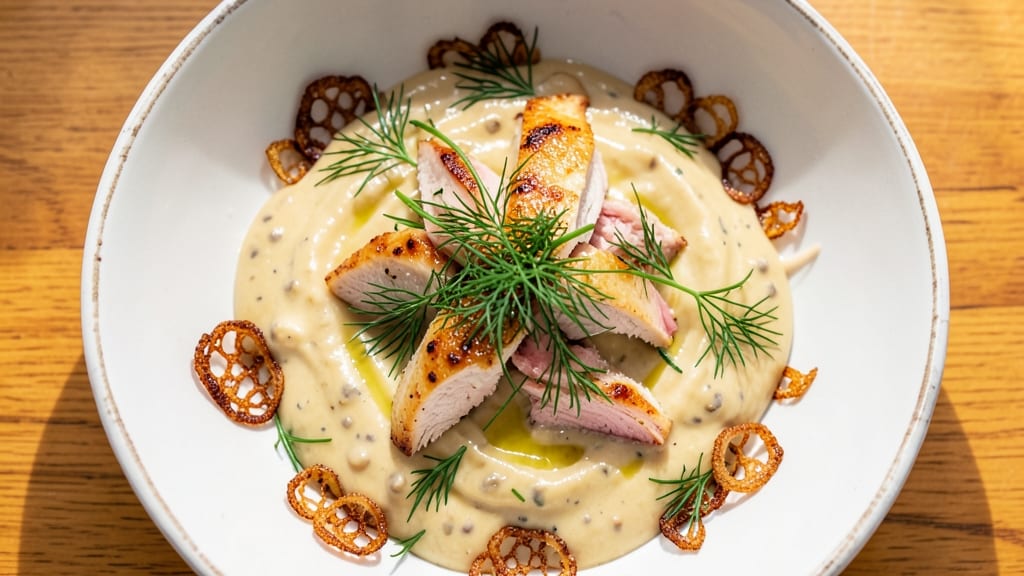
This chick-creamy house chicken salad dressing transforms ordinary chicken salad into something restaurant-worthy—without a single drop of mayo. The secret lies in blending silky chickpeas with tangy buttermilk and fresh herbs, creating a dressing that stays creamy for days while adding plant-based protein and satisfying crunch.
I developed this recipe after realizing traditional mayo-based dressings turned soggy within hours, and this version has become my go-to for meal prep and picnic-friendly salads.
The base of this dressing combines canned chickpeas (drained and rinsed) with buttermilk for that signature tang, while a touch of Dijon mustard adds depth without overpowering. Fresh dill and chives brighten the flavor, and a squeeze of lemon keeps everything fresh.
What makes it truly special is how it maintains its texture—no separation, no greasiness—just a velvety, bite-sized crunch that elevates every bite of chicken salad.
What you’ll end up with is a dressing that’s creamy yet light, packed with protein, and versatile enough to use in chicken salad, wraps, or even as a dip. It stays fresh in the fridge for up to a week, making it perfect for batch cooking.
The best part? No one will guess it’s mayo-free—just pure, satisfying flavor with every spoonful.
This dressing works equally well with classic chicken salad or as a creamy base for grain bowls and sandwiches. The chickpea texture adds a delightful contrast to tender chicken, while the herby brightness cuts through richness. Ready to upgrade your chicken salad game? Let’s make this dressing—it’s a game-changer.
Ingredients for chicken salad chick creamy house dressing
Nine ingredients blend into a velvety, protein-packed dressing that rivals mayo-based versions.
| Ingredient | Amount | Notes |
|---|---|---|
| Canned Chickpeas 🥜 | 1 ½ cups | Drained, rinsed, and patted dry |
| Buttermilk 🥛 | 1 cup | Full-fat for best creaminess |
| Dijon Mustard 🌶️ | 1 tbsp | For depth without overpowering |
| Fresh Dill 🌿 | ¼ cup | Finely chopped, stems removed |
| Fresh Chives 🌱 | ¼ cup | Finely chopped, for brightness |
| Lemon Juice 🍋 | 2 tbsp | Freshly squeezed, for tang |
| Extra-Virgin Olive Oil 🫒 | ½ cup | High-quality, fruity variety |
| Garlic Cloves 🧄 | 2 cloves | Minced, for subtle garlic note |
| Salt 🧂 | ½ tsp | Diamond Crystal preferred |
| Black Pepper 🌶️ | ¼ tsp | Freshly ground for best flavor |
The chickpeas are the star—low-sodium canned is best to avoid extra salt. Trader Joe’s and Whole Foods carry the best quality, but any canned chickpeas work in a pinch. For extra creaminess, I like to mash about half the chickpeas with a fork before blending, but don’t stress if you skip this step. The buttermilk needs to be full-fat for that signature tang—Kroger or Organic Valley are my go-tos, but any brand will do. Fresh dill and chives are non-negotiable for that bright, herby flavor—farmers markets usually have the freshest, but the grocery store’s pre-washed bunch works too.
No buttermilk? Plain Greek yogurt with a splash of lemon juice works in a bind, though the texture will be slightly thicker. Short on fresh herbs? Dried dill at one-third the amount gets you close, but the flavor won’t be as vibrant. The Dijon mustard adds depth without overpowering—Maille is my favorite, but any high-quality brand will do. For the olive oil, California Olive Ranch or Bertolli are reliable choices, but the key is to use something fruity and high-quality. The garlic can be minced with a knife or pulsed quickly in a food processor—just don’t overdo it or it’ll turn bitter.
This dressing keeps beautifully—up to 1 week in the fridge, sealed in an airtight container. For extra freshness, pour a thin layer of olive oil over the top before sealing. It thickens as it chills, so give it a quick whisk or shake before using. Portion into small jars for easy grab-and-go meal prep. The texture improves overnight, so making it ahead is a must for the best results—trust me on this.
Why You'll Love This Recipe
- No Pantry Panic: I keep a can of chickpeas and buttermilk on hand just for this—no last-minute grocery runs, no stress. The dressing comes together while I chop herbs, and honestly? That’s my kind of magic.
- Dressing That Sticks: The buttermilk and Dijon cut through greasy salads like a dream, while the dill and chives add that bright, herby punch. It’s creamy but not heavy—just the right balance, every time.
- Lunchbox Hero: Pack this in jars for work or school lunches—it stays fresh for days, and the chickpeas add protein so you’re not snacking by noon. My kids actually eat their veggies when it’s in there.
- Budget Brightener: A can of chickpeas and a splash of buttermilk stretch this recipe into a week’s worth of meals. I’ll be real: it’s my go-to when I’m broke but still want something that tastes like I tried.
Step-by-step instructions for chick-creamy house chicken salad dressing
This creamy, mayo-free dressing transforms simple chickpeas into velvety richness that stays fresh for days.
Blend Chickpeas Until Silky Smooth
Start by draining, rinsing, and patting dry the 1.5 cups canned chickpeas. Place them in a high-speed blender along with the 1 cup buttermilk and 1 tbsp Dijon mustard. Here's the thing—blending chickpeas requires patience. Pulse the blender for 10-15 seconds to break them down, then let the mixture sit for 2 minutes. This resting period prevents overheating and ensures a smoother texture.
Blend again for 30-45 seconds until completely smooth, scraping down the sides as needed. You're aiming for a thick, creamy consistency similar to hummus. If it's too thick, add 1-2 tablespoons water to loosen it. The key is achieving that velvety texture without any graininess—this is your base for creamy perfection.
Incorporate Herbs, Garlic, and Acid
Add the 0.25 cup finely chopped fresh dill, 0.25 cup finely chopped fresh chives, 2 minced garlic cloves, 0.5 tsp salt, and 0.25 tsp black pepper to the blender. Pulse just until combined—about 5-8 seconds. You don't want to over-blend these delicate herbs or the garlic will turn bitter.
Next, pour in the 2 tbsp lemon juice and 0.5 cup extra-virgin olive oil through the blender's feed tube while blending on low speed. This gradual addition prevents the oil from separating. Blend for another 15-20 seconds until everything is fully incorporated. The dressing should now have a vibrant green hue from the herbs and a smooth, almost pudding-like consistency.
Adjust Consistency and Flavor
Taste the dressing and adjust the seasoning if needed. I usually add a pinch more salt or a splash of lemon juice for brightness. For the perfect texture, add 1-2 tablespoons water if it's too thick, or 1 teaspoon extra-virgin olive oil if it's too thin. The ideal consistency should coat the back of a spoon but still be pourable.
Transfer the dressing to an airtight container and refrigerate for at least 30 minutes before using. This chilling time allows the flavors to meld together beautifully. The dressing will thicken slightly in the fridge, which is perfect for spreading or mixing with chicken. Real talk: the longer it sits, the better it tastes—flavors develop and deepen over time.
Use and Store for Maximum Freshness
When ready to use, give the dressing a good stir to re-emulsify any separated oils. This dressing works beautifully as a base for chicken salad—simply mix with cooked, shredded chicken, and adjust seasoning to taste. For extra crunch, fold in chopped celery or toasted nuts just before serving.
Store any leftovers in the refrigerator for up to 5 days. The acidity from the lemon juice and buttermilk helps preserve freshness, and the chickpea base prevents separation better than traditional mayo-based dressings. For longer storage, freeze for up to 3 months—just thaw in the fridge overnight before using.
Pro Tips For Making Chicken Salad Chick Creamy House Dressing
- DRAIN AND RINSE CHICKPEAS: I learned this the hard way—skip rinsing those canned chickpeas, and your dressing turns into a watery, starchy mess. Drain them well, then give them a quick cold water rinse to cut the gummy coating. Pat them dry with a towel afterward; this keeps the texture thick and creamy, not soupy.
- WHISK THE BUTTERMILK COLD: Cold buttermilk blends smoother and doesn’t curdle when mixed with the mustard and herbs. Scoop it straight from the fridge, or even better, chill the bowl first. Trust me, your dressing won’t separate like a bad milkshake if you skip this step.
- CHOP HERBS FINE AND TOAST THEM: Fresh dill and chives add brightness, but whole stems just float awkwardly in the dressing. Pulse them in a food processor for 3-4 seconds—just until finely chopped, not paste. For extra flavor, dry-toast the chopped herbs in a pan for 30 seconds before mixing; it deepens their aroma without cooking the dressing.
- LET THE DRESSING REST: Mixing everything together and diving right in? Bad move. Let the dressing sit for at least 10 minutes before tossing with your salad or using as a dip. The flavors meld, the buttermilk thickens slightly, and the mustard’s bite mellows out—no one wants a mouthful of tangy shock.
Common mistakes when making this dish
Overblending Chickpeas
I’ve seen this happen more times than I can count—someone blends the chickpeas until they’re practically paste, and suddenly the dressing turns gritty or bitter. The key is to blend just until smooth, about 30-45 seconds total, with a 2-minute rest in between pulses.
Overblending releases too much starch, which can make the dressing gluey or develop a raw, almost flour-like taste. If you’re using a low-powered blender, increase the resting time to 3-4 minutes between pulses. 🌡️
Skipping the Resting Step
Rushing the 2-minute rest after the first blend is a common rookie move, and it leads to overheating. The heat from blending breaks down the chickpea proteins too quickly, causing the dressing to separate or develop a chalky texture.
Trust me, those extra minutes pay off—your dressing will be silky smooth instead of grainy. If you’re in a hurry, let it rest for at least 1 minute before blending again.
Using Low-Quality Olive Oil
Not all olive oils are created equal, and using a cheap, low-quality oil can make your dressing taste flat or even soapy. I always recommend extra-virgin olive oil with a fruity, peppery finish—brands like California Olive Ranch or Bertolli are my go-tos.
If your oil smells stale or has a sharp, bitter taste, it’s time to upgrade. A high-quality oil adds richness and depth that cheap oils simply can’t match. 🫒
Adding Herbs Too Early
Throwing in the fresh herbs at the very beginning can turn them into a mushy pulp, ruining their bright, fresh flavor. Instead, add the dill and chives after the chickpea base is smooth but before the lemon juice and olive oil.
This way, they get blended just enough to distribute evenly without losing their texture. If you’re worried about over-blending, pulse them in for just 5-8 seconds—that’s all it takes.
Ignoring the Chill Time
Skipping the 30-minute chill is a big mistake—the flavors need time to meld, and the dressing thickens slightly in the fridge, which is perfect for spreading. If you use it straight from the blender, it’ll be too thin and the flavors won’t be as cohesive.
Pro tip: If you’re in a rush, refrigerate it for at least 15 minutes—just don’t expect the same depth of flavor. The longer it chills, the better it tastes, so plan ahead! ❄️
Not Adjusting Seasoning
Tasting the dressing before adding it to your chicken salad is a game-changer. I always adjust the seasoning—usually a pinch more salt or a splash of lemon juice—because the flavors deepen as it sits. If you skip this step, your dressing might end up bland or one-dimensional.
Trust your taste buds: if it needs more brightness, add lemon; if it’s flat, a little more salt or a dash of Dijon mustard can elevate it. 💡
Nutrition facts
Frequently asked questions
Can I make this dressing without a high-speed blender?
Yes, but you'll need to be extra patient! Use a regular blender and pulse for 10 seconds, then let the chickpeas rest for 3-4 minutes to prevent overheating. Repeat until smooth, adding 1-2 tablespoons water as needed. For even better results, mash half the chickpeas with a fork before blending to break them down.
How do I adjust this for a dairy-free version?
Replace the buttermilk with 1 cup unsweetened almond milk or coconut yogurt plus 1 tbsp lemon juice to mimic the tang. Use 1.5 tbsp apple cider vinegar instead of lemon juice if you prefer. The texture will be slightly lighter but still creamy. For extra richness, add 1 tbsp tahini to the blender.
Will this dressing work with other proteins besides chicken?
This dressing pairs beautifully with turkey, salmon, or even tofu for plant-based salads. It also works as a creamy dip for veggie sticks or pita chips. The herby, tangy flavor complements lean proteins perfectly while adding satisfying texture.
Why does my dressing separate after blending?
Separation usually happens when the oil isn't properly emulsified. Always add the olive oil slowly through the feed tube while blending on low speed. If it happens, simply whisk vigorously or blend again for 10-15 seconds. For prevention, chill the dressing for 30 minutes before using—this helps stabilize the emulsion.
Can I make this dressing ahead of time?
Yes, this dressing actually tastes better after resting! Store it in an airtight container in the fridge for up to 1 week. The flavors meld beautifully, and the texture thickens slightly—perfect for meal prep. Give it a good stir before using, and add a splash of water or olive oil if needed to adjust consistency.