
Salads
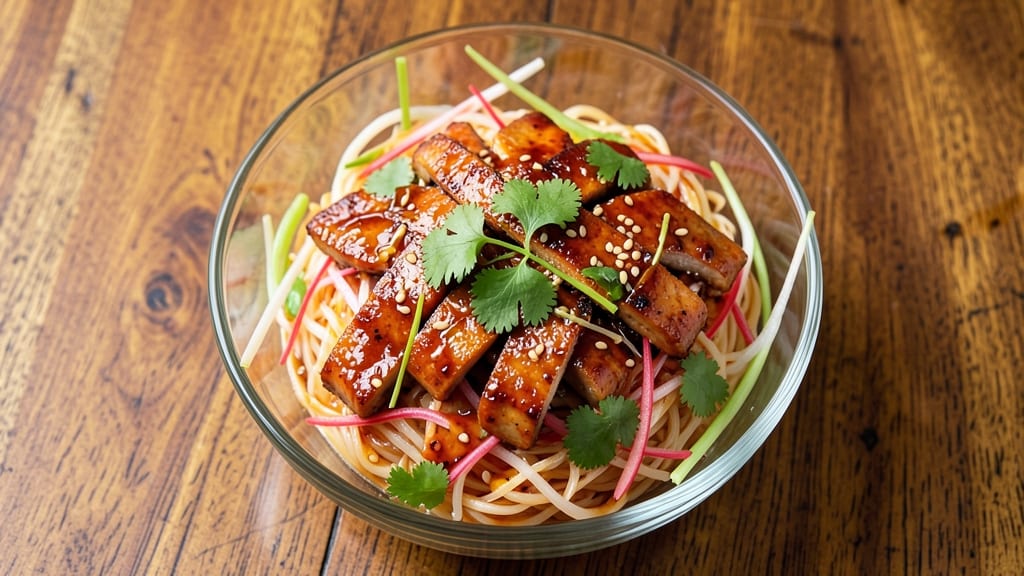
This chicken galbi noodle salad reimagines Korean comfort food with a bold twist—tender marinated chicken galbi replaces beef, creating a dish that's equally rich and satisfying.
The secret lies in the marinade: a perfect balance of spicy-sweet flavors that caramelize beautifully, while crispy celery adds texture that keeps every bite exciting. I developed this recipe after craving something hearty yet fresh, and it became an instant favorite for weeknight dinners and meal prep.
The process is straightforward but delivers restaurant-quality results. Thinly sliced chicken galbi marinates in a sticky-sweet sauce of gochujang, soy sauce, and brown sugar, then quickly sears to lock in flavors.
Cold noodles—whether ramen or udon—get tossed with a tangy dressing that brightens the dish, while shredded celery and sesame seeds add crunch and visual appeal. What makes this salad special is how the flavors come together: sweet, spicy, umami, and crisp all in one balanced bite.
By the time you assemble everything, you'll have a dish that's visually stunning and packed with layers of flavor—no heavy cooking required. The marinated chicken stays tender yet develops a caramelized crust, while the celery adds a satisfying crunch that contrasts perfectly with the chewy noodles.
It's the kind of meal that feels indulgent but stays light enough for any occasion, from casual lunches to potluck gatherings.
Serve immediately for the best texture, or let it sit for 10 minutes to allow flavors to meld even more. The crispy celery holds up well, so this salad tastes just as good hours later—ideal for meal prepping.
Pair with a cold drink or extra pickled vegetables for the full experience. Let's make this dish!
Ingredients for chicken galbi noodle salad
Fresh chicken, bold flavors, and crispy celery—this salad delivers restaurant-quality bites with minimal effort.
| Ingredient | Amount | Notes |
|---|---|---|
| Boneless Chicken Breast 🍗 | 1 ½ lb | Thinly sliced against grain |
| Gochujang Paste 🌶️ | ¼ cup | Korean fermented chili paste |
| Soy Sauce 🍶 | ⅓ cup | Kosher preferred for balance |
| Brown Sugar 🍚 | ¼ cup | Light or dark variety |
| Sesame Oil 🫒 | 1 tbsp | Toasted for aroma |
| Garlic Cloves 🧄 | 4 cloves | Minced for marinade |
| Fresh Ginger 🌿 | 1 tbsp | Grated, peeled |
| Rice Vinegar 🍶 | ¼ cup | For tangy dressing |
| Sesame Seeds 🌱 | 2 tbsp | Toasted for garnish |
| Celery Stalks 🧅 | 2 whole | Thinly sliced, crispy fried |
| Dried Ramen Noodles 🍜 | 8 oz | Or udon noodles |
| Vegetable Oil 🫒 | ½ cup | For celery frying |
| Salt 🧂 | 1 tsp | Kosher or sea salt |
| Black Pepper 🌶️ | ½ tsp | Freshly ground |
| Green Onions 🧅 | 3 whole | Thinly sliced, for garnish |
The chicken is the star, so look for boneless, skinless breasts at your local butcher—they'll slice it paper-thin for you. Korean grocery stores often carry pre-sliced galbi-style chicken, but regular chicken breast works too if sliced against the grain. For the gochujang, Maesil Gochujang or Dae Jang Gochujang are my go-tos—they've got that perfect balance of sweet and spicy. If you can't find it, substitute 2 tbsp sriracha plus 1 tbsp honey, but you'll lose some depth. The celery? Crisp, fresh stalks are non-negotiable—no wilted or rubbery ones here. Buy organic if possible, or scrub well before slicing.
No gochujang? Mix 2 tbsp sriracha with 1 tbsp maple syrup for a quick swap, though it won't be as complex. The soy sauce should be Kosher-style—regular soy sauce is too salty. For the dressing, rice vinegar is key, but apple cider vinegar works in a pinch. The celery needs to be fried until golden and crispy—don't rush this step. If you're short on time, air-fry at 400°F for 8-10 minutes instead of deep-frying. The noodles? Cook al dente, then rinse under cold water to stop the cooking—they'll finish in the dressing.
Marinated chicken keeps 2 days in the fridge, but the celery stays crispy for 3 days if stored separately. The dressing can be made a week ahead—it just gets better as flavors meld. For meal prep, store components separately and assemble when ready to eat. The celery loses crispness fast, so fry fresh portions if prepping ahead. This salad tastes even better the next day—the flavors deepen as everything sits together.
Why You'll Love This Recipe
- One-Pan Magic: I swear by this recipe when I’m too tired to wash dishes. Slice the chicken thin, toss it in the marinade—gochujang, soy, brown sugar, sesame oil—and let it sit while you boil the noodles. One pan, one spatula, and you’re done. No chopping, no fuss, just flavor.
- Sweet-Spicy Kick: That gochujang-sugar glaze? It’s the star. The chicken gets sticky, caramelized edges, and a little heat that lingers without overpowering. Honestly, I’ve tried store-bought galbi sauces, but this homemade mix is ridiculously better—deep, smoky, and just sweet enough.
- Lunchbox Hero: Between us, this is my secret weapon for work lunches. The noodles hold up all day (seriously, they don’t get soggy), and the flavors only get stronger. Pack it in a jar, grab it on the go, or bring it to a picnic—it’s always a hit. Even my picky friend ate hers.
- Budget Flex: Chicken breast is cheap, and this recipe stretches it far. A single batch feeds four, and leftovers? They taste just as good cold the next day. I’ve even made it with half the chicken and doubled the veggies—same great taste, half the cost. Smart, simple, and satisfying.
Step-by-step instructions for chicken galbi noodle salad
Transform simple ingredients into a bold, restaurant-worthy dish with this Korean-inspired twist.
Marinate the Chicken for Maximum Flavor
Slice the 1.5 lb boneless chicken breast thinly against the grain for tender bites. In a bowl, whisk together the 0.25 cup gochujang paste, 0.33 cup soy sauce, 0.25 cup brown sugar, 1 tbsp sesame oil, 4 minced garlic cloves, and 1 tbsp grated ginger. Pour this vibrant marinade over the chicken and toss until every piece is evenly coated.
Cover and refrigerate for at least 30 minutes—this lets the flavors meld deeply. I like to marinate for up to 2 hours if I have time, as the chicken absorbs the sweet-spicy balance perfectly. The marinade should be sticky but not watery, indicating proper consistency for a flavorful crust when cooked.
Cook the Chicken to Juicy Perfection
Heat a large skillet over medium-high heat and add the marinated chicken in a single layer. Cook undisturbed for 3-4 minutes per side until the edges turn golden brown and the chicken reaches 165°F internally. You'll smell that irresistible caramelized aroma—this is your cue that the chicken is nearly done.
Remove the chicken from the skillet and set aside. Don't drain the pan yet—the rendered flavors are about to become the base for your dressing. If the chicken releases easily from the pan, it's ready. If not, cook another 30 seconds per side. Overcooking here will make the chicken dry, so keep an eye on the internal temperature.
Prepare the Crispy Celery and Noodles
In the same skillet (with residual chicken fat), heat 0.5 cup vegetable oil over medium heat. Add the 2 whole celery stalks, sliced thinly, and fry for 4-5 minutes until they turn a beautiful golden brown and crisp. Remove with a slotted spoon and drain on paper towels—these will add a satisfying crunch to your salad.
While the celery fries, cook the 8 oz dried ramen noodles according to package instructions until al dente. Drain immediately and rinse under cold water to stop the cooking process. Toss the noodles with 1 tbsp sesame oil to prevent sticking and keep them separate for that fresh salad texture.
Create the Tangy Dressing
Return the skillet to medium heat and deglaze with the 0.25 cup rice vinegar, scraping up all those delicious browned bits from the chicken. Let it simmer for 2-3 minutes until slightly reduced. Then, whisk in 1 tbsp sesame oil and 1 tsp salt to balance the flavors.
Taste the dressing—it should be tangy with a hint of sweetness from the caramelized chicken. If it needs more depth, add 1-2 tablespoons of water to loosen it. This dressing is the heart of your salad, so don't skimp on the flavor. The perfect balance here makes all the difference between good and extraordinary.
Assemble and Garnish
In a large bowl, combine the cooked noodles, crispy celery, and sliced chicken. Pour the warm dressing over everything and toss gently to coat. Let it sit for 2-3 minutes so the flavors meld together—you'll notice the noodles absorbing that delicious sauce.
Garnish with 2 tbsp toasted sesame seeds and 3 whole green onions, sliced thinly. Serve immediately while the celery is still crisp and the chicken is warm. This dish tastes even better the next day as the flavors continue to develop, but the celery will lose its crunch if left too long. Enjoy with a cold beer or iced tea for the perfect meal.
Pro Tips For Making Chicken Galbi Noodle Salad
- SLICE THIN, COOK FAST: Cut your boneless chicken breast into ¼-inch slices—any thicker, and it’ll turn rubbery before the sauce soaks in. I used to overlook this, and my galbi always felt tough; now I double-check with a ruler. High heat for 2-3 minutes per side seals the juices while keeping it tender.
- MARINATE IN THE SAUCE: Skip pre-marinating the chicken—just toss the raw slices in the gochujang-soy-brown sugar mix after cooking. The paste’s heat and stickiness cling better to warm (not cold) meat, and you avoid soggy noodles later. Sounds counterintuitive, but it’s the trick my Korean neighbor taught me.
- DON’T BOIL THE NOODLES: Shock them in ice water for 30 seconds after cooking to stop the starch release. This keeps the noodles firm and prevents a gluey salad. I learned this the hard way when my first batch turned into a sad, mushy pile—now I have a colander ready in the sink.
- FINISH WITH SESAME OIL LAST: Drizzle the sesame oil over the whole dish (noodles + chicken) right before serving. Heat kills its nutty aroma, and adding it early makes the salad taste flat. A splash of toasted sesame seeds on top? Even better—just 10 seconds in a dry pan does the trick.
Pro cooking tips for great chicken galbi noodle salad
Marinade Mastery
The key to tender, flavorful chicken is marinating for at least 30 minutes, but I swear by 2 hours for maximum depth. Use a ziplock bag for even coating—toss the chicken with marinade, seal, and massage gently to ensure every slice absorbs those caramelized flavors.
For extra tenderness, add 1 tsp honey to the marinade if you're short on time. 🌶️
Celery Crunch Secrets
Celery loses crispness fast, so fry it fresh—never pre-cook for storage. Use light vegetable oil (like Avocado Brand) and maintain 325°F for even cooking. Slice stalks paper-thin (about 1/16-inch) for maximum surface area. If you miss the crispy window, broil for 2 minutes to revive texture. ✨
Dressing Balance
Taste your dressing before tossing—it should sing with tangy, sweet, and umami notes. If too thick, add 1 tbsp water at a time. For extra brightness, stir in 1 tsp honey or 1 tsp fish sauce.
The dressing should coat the noodles lightly, not drown them. Pro tip: Use Kewpie mayo (if available) for a richer texture. 💫
Noodle Texture Control
Rinse noodles immediately after cooking in cold water to stop cooking and prevent mushiness. Toss with 1 tsp sesame oil while still warm to maintain separation. For extra chew, use udon noodles instead of ramen—they hold up better to tossing.
If prepping ahead, store noodles separately in the fridge for up to 2 days. 🍜
Assemble Like a Pro
Toss ingredients gently to avoid breaking the celery's crispness. Let the salad sit 5 minutes before serving—this lets flavors meld without over-mixing. For presentation, arrange components in layers: noodles first, then chicken, celery on top. Garnish with sesame seeds and green onions just before serving. 💡
Nutrition facts
Frequently asked questions
Can I substitute beef for the chicken galbi in this recipe?
The recipe is designed specifically for chicken galbi to create a lighter yet flavorful dish, but you can absolutely try beef! For best results, use thinly sliced ribeye or sirloin and marinate for 1-2 hours instead of 30 minutes. The beef will absorb flavors differently, so adjust the marinade time accordingly.
How do I make this salad spicier?
Add 1-2 teaspoons of gochugaru (Korean red pepper flakes) directly to the marinade for heat, or stir 1/2 teaspoon into the dressing before tossing. For extra kick, include 1 chopped Thai chili in the marinade. Start with less and adjust to taste—spice builds as the dish sits!
What's the best way to store leftovers?
Store components separately in airtight containers: chicken and celery in one, noodles and dressing in another. The celery stays crisp for 3 days in the fridge, while the chicken and noodles keep 4 days. Re-crisp celery by frying fresh portions when reheating. The dressing can be stored for 1 week—it just gets better!
Can I make this salad ahead of time?
Prep the chicken, celery, and dressing separately up to 2 days ahead. Keep the celery crisp by frying it fresh when ready to serve. Assemble just before eating—this ensures the celery stays crunchy and the noodles maintain their texture. The flavors actually deepen when combined, making it perfect for meal prep!
What if I don't have gochujang?
Mix 2 tablespoons sriracha with 1 tablespoon honey or maple syrup for a quick substitute. For deeper flavor, add 1/2 teaspoon smoked paprika to the marinade. The texture won't be identical, but it'll still deliver that signature sweet-spicy balance.