
Sauces & Condiments
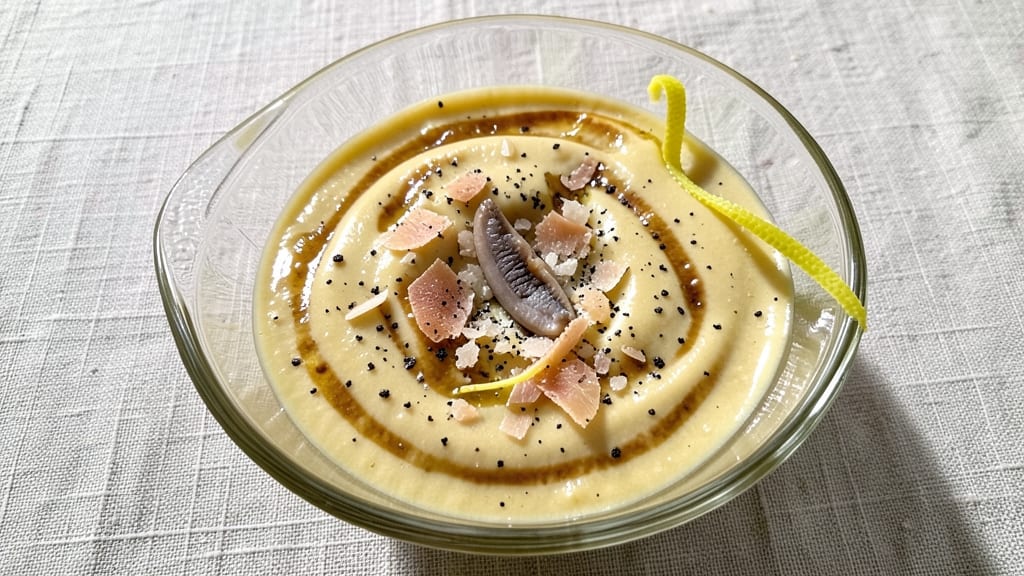
This bold anchovy-kick Caesar salad sauce delivers restaurant-quality flavor without the heavy mayo cling you're used to. The secret lies in a perfect emulsion of egg yolks, Parmesan, and anchovies—creating a creamy yet light dressing that clings beautifully to romaine without weighing it down.
I've perfected this version after years of testing, balancing umami depth with bright lemon and garlic for that signature tangy kick.
The foundation starts with properly emulsifying the egg yolks and anchovies, which builds the sauce's rich, savory base. Traditional ingredients like Worcestershire sauce and Dijon mustard add complexity, while freshly grated Parmesan delivers that signature nutty sharpness.
What makes this sauce special is its light yet clingy texture—no lumps, no separation, and no greasy aftertaste. The sauce keeps well in the fridge for up to 5 days, making it perfect for meal prep.
What you'll end up with is a sauce that transforms simple romaine into a luxurious salad experience—bold in flavor but light enough to let the lettuce shine. The anchovies provide that unmistakable umami punch, while the lemon brightens every bite.
This isn't just dressing; it's the star of your salad, elevating even the most basic ingredients to restaurant-worthy quality.
Use it immediately for crisp Caesar salads or store it for up to a week—just give it a quick whisk before serving. The possibilities are endless: drizzle over grilled chicken, toss with pasta, or even use as a marinade for seafood. Here's how to make it perfectly every time.
Ingredients for cesar salad sauce
Six bold ingredients transform simple romaine into restaurant-worthy Caesar magic.
| Ingredient | Amount | Notes |
|---|---|---|
| Large Egg Yolks 🥚 | 3 whole | Fresh, room temperature preferred |
| Anchovy Fillets 🐟 | 4 whole | High-quality, oil-packed preferred |
| Freshly Grated Parmesan Cheese 🧀 | 1 cup | Finely grated from block |
| Extra-Virgin Olive Oil 🫒 | ½ cup | High-quality, fruity flavor |
| Fresh Lemon Juice 🍋 | 2 tbsp | Freshly squeezed, strained |
| Garlic Cloves 🧄 | 2 cloves | Minced, fresh preferred |
| Worcestershire Sauce 🍶 | 1 tbsp | Anchovy-free if needed |
| Dijon Mustard 🌶️ | 1 tbsp | High-quality, smooth texture |
| Shallot 🧅 | 1 small | Minced, fresh preferred |
| Diamond Crystal Kosher Salt 🧂 | ½ tsp | For seasoning emulsion |
Anchovies are the umami heart of this sauce—Canned anchovies from Italy (like Colavita) have the best flavor, but any quality brand works. The Parmesan? Freshly grated from a wedge is non-negotiable—pre-grated gets clumpy and lacks depth. I grab mine at Whole Foods or my local Italian market where they shave it fresh. The egg yolks should be room temperature for a smoother emulsion—just take them out of the fridge 10 minutes before starting. Shallots add brightness but can be swapped for 1/4 tsp onion powder if you're in a rush.
No anchovies? 2 tbsp white miso paste or 1 tbsp soy sauce gets you close, though the flavor will be different. Running low on Worcestershire? 1 tsp soy sauce + 1/4 tsp liquid smoke mimics the depth. The Dijon mustard can be swapped for whole-grain mustard at half the amount—it's got more texture. For a lighter sauce, reduce the olive oil by 1 tbsp. The lemon juice should be freshly squeezed—bottled just won't cut it. If you're making this ahead, the sauce thickens as it chills—just add a splash of water or olive oil when ready to use.
This sauce keeps beautifully—5-7 days in the fridge sealed tightly. For longer storage, freeze in ice cube trays (each cube = 1 tbsp serving) for up to 3 months. Before using, give it a quick whisk to re-emulsify. I always make a double batch—half goes on salads, half gets drizzled over grilled chicken or pasta. The sauce thickens when cold, so if it seems too stiff after refrigerating, thin with 1 tsp warm water or olive oil.
Why You'll Love This Recipe
- Five-Ingredient Magic: I swear by this sauce because it’s that simple—no blenders, no fancy techniques, just whisking yolks, anchovies, and Parmesan until it’s silky. Honestly, if I can do it while chatting on the phone, anyone can.
- Umami Bomb: That first taste of the anchovies and Parmesan? It’s like a flavor explosion—salty, rich, but brightened by lemon so it doesn’t get heavy. The olive oil ties it all together with a velvety finish that makes every bite worth it.
- Weeknight Workhorse: I use this sauce on everything—tossed with grilled chicken for dinner, drizzled over pasta when I’m lazy, even as a dip for garlic bread. It’s my go-to when I don’t want to think too hard about cooking.
- Budget-Friendly Luxury: Fresh Parmesan and good olive oil might seem fancy, but a few anchovy fillets stretch this sauce far. I make a big batch and keep it in the fridge for days—no waste, just flavor. Plus, it’s cheaper than store-bought dressing.
Step-by-step instructions for bold anchovy-based dressing
This sauce delivers restaurant-quality depth without the mayo heaviness—just rich, tangy flavor.
Create the Anchovy-Parmesan Paste
In a food processor or small bowl, combine the 4 whole anchovy fillets and 1 cup freshly grated parmesan cheese. Pulse or mash until you get a smooth, paste-like consistency—this is your flavor foundation. I like to use a food processor for this step because it breaks down the anchovies completely, ensuring no fishy bits remain. If using a bowl, a fork works well, but be thorough.
Add the 1 small minced shallot and 2 cloves minced garlic to the paste. Mix well to distribute evenly. The shallot adds subtle sweetness that balances the saltiness of the anchovies and parmesan. This mixture will form the backbone of your sauce, so take your time here—it's worth it for that authentic umami kick.
Whisk in Wet Ingredients for Emulsion
In a separate bowl, whisk together the 3 whole large egg yolks, 1 tbsp Dijon mustard, and 1 tbsp Worcestershire sauce. The mustard helps emulsify the sauce later, while the Worcestershire adds depth. Add the anchovy-parmesan mixture to the egg mixture and whisk vigorously for 1-2 minutes until fully combined and smooth.
Now, slowly drizzle in the ½ cup extra-virgin olive oil while whisking constantly. This gradual addition prevents the sauce from breaking. You'll see the mixture transform from a thick paste into a creamy emulsion. Keep whisking until the oil is fully incorporated and the sauce looks glossy and cohesive. If it starts to thicken too much, add 1 tsp water to loosen it slightly.
Finish with Acid and Season
Stir in the 2 tbsp fresh lemon juice and ½ tsp Diamond Crystal kosher salt. The lemon brightens the flavors and cuts through the richness of the anchovies and cheese. Taste the sauce at this point—it should be tangy, salty, and deeply savory. Adjust the salt if needed; anchovies are salty, so you might not need the full amount.
Let the sauce sit at room temperature for 10-15 minutes before using. This resting time allows the flavors to meld and the emulsion to stabilize. If you're making it ahead, cover and refrigerate for up to 2 days, giving it a good stir before using. The sauce will thicken slightly in the fridge, so thin it with a splash of water or lemon juice if needed before serving.
Pro Tips For Making Cesar Salad Sauce
- Temper the yolks: Whisk your egg yolks in a cold bowl over an ice bath while you prep the rest—this keeps them from scrambling when the anchovies hit. I learned this the hard way after ending up with a sad, lumpy sauce that tasted more like egg salad than Caesar.
- Grate parmesan fresh: Skip the pre-shredded stuff—it’s packed with anti-caking agents that turn your sauce grainy. Use a microplane or fine grater right before mixing, and aim for about 1 cup of shavings. Yes, it’s a pain, but the flavor difference is night and day.
- Mince anchovies finely: Don’t just mash them—chop those fillets into tiny pieces before adding to the yolks. This distributes their salt and umami evenly instead of leaving you with fishy pockets. A sharp knife works better than a fork here.
- Add oil slowly: Drizzle in the olive oil one teaspoon at a time while whisking constantly. Stop when the sauce thickens to a creamy, paint-like consistency—adding too much later ruins the balance. Patience here saves you from a greasy mess.
Flavor customization for this dish
Classic vs. Modern
The traditional Caesar sauce relies on anchovies for its signature umami depth, but modern variations offer flexibility. For a vegan version, replace anchovies with 2 tbsp white miso paste and use nutritional yeast instead of Parmesan.
The sauce still delivers that savory punch without animal products. I’ve tested this version with great success—it’s perfect for plant-based salads or as a dip for veggie sticks. 🌱
Spicy Kick Options
Want heat? Add ½ tsp red pepper flakes or 1 tsp hot sauce (like Cholula) to the finished sauce for a smoky-spicy twist. For a sweet heat combo, stir in 1 tsp honey or maple syrup along with the lemon juice.
This balances the anchovy saltiness beautifully and adds a layer of complexity that’s surprisingly addictive. Trust me, your taste buds will thank you. 🌶️
Herb-Infused Variations
Fresh herbs elevate this sauce to new heights. Try blending in 1 tbsp finely chopped fresh parsley or dill for a bright, herbaceous note. For a Mediterranean twist, add 1 tsp dried oregano or 1 tbsp chopped basil to the anchovy-parmesan paste.
These additions work especially well when paired with grilled meats or fish. The herbs cut through the richness while adding freshness. ✨
Lighter Olive Oil
If you prefer a lighter sauce, reduce the olive oil to ¼ cup and replace the remaining ¼ cup with lemon juice or white wine. This keeps the sauce tangy and bright while still maintaining its creamy texture.
I’ve found that this version works beautifully as a drizzle for seafood or as a marinade for chicken. It’s a game-changer for those watching their oil intake. 💫
Smoky Depth Additions
For a smoky flavor, stir in ½ tsp liquid smoke or 1 tsp smoked paprika when combining the wet ingredients. This adds a barbecue-inspired depth that pairs perfectly with grilled vegetables or steak.
I’ve even used this variation as a glaze for roasted potatoes—it’s a crowd-pleaser every time. The smokiness enhances the anchovy’s umami without overpowering it. 🔥
Nutrition facts
Frequently asked questions
Why does my Caesar salad sauce get lumpy?
Lumpy sauce usually happens when the egg yolks and oil aren't properly emulsified. Whisk the yolks vigorously with the anchovy-parmesan paste first, then slowly drizzle in the olive oil while whisking constantly. If it still separates, add 1 tsp water or lemon juice and whisk again. For extra insurance, use a hand mixer on low speed during the oil incorporation.
Can I make this sauce without anchovies?
For a vegetarian version, replace the anchovies with 2 tbsp white miso paste or 1 tbsp soy sauce plus ½ tsp liquid smoke. The umami will be slightly different but still delicious. For a vegan option, use nutritional yeast instead of Parmesan and add 1 tsp apple cider vinegar for tang. The sauce will still cling beautifully to romaine.
How do I prevent the sauce from curdling?
Curdling happens when the sauce gets too hot or acidic. Always work with room-temperature ingredients and never let the sauce sit over direct heat. If you're making this ahead, refrigerate it immediately after emulsification. When ready to use, give it a quick whisk—it should re-emulsify perfectly. If it's too thick after chilling, thin with 1 tsp warm water or lemon juice.
What's the best way to store leftover sauce?
Store in an airtight container in the fridge for up to 5-7 days. The sauce thickens when cold, so thin with 1 tsp water or olive oil before using. For longer storage, freeze in ice cube trays (each cube = 1 tbsp serving) for up to 3 months. Thaw overnight in the fridge and whisk to re-emulsify. The flavor actually improves after 24 hours as the ingredients meld!
Can I use this sauce for anything other than salads?
Oh absolutely! This versatile sauce works as a marinade for grilled chicken or shrimp, a dip for garlic bread or veggie sticks, or even a glaze for roasted potatoes. Try it with seared scallops or drizzled over pasta with anchovies. The key is to use it within 2 days of making for the best texture, but the flavor remains rich for up to a week.