Salads
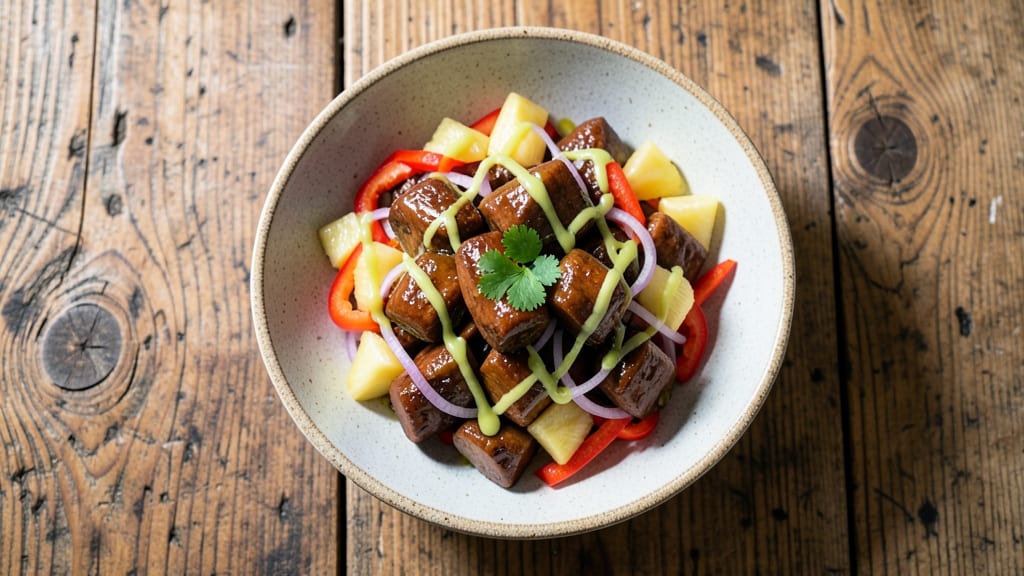
This cassava salad recipe brings vibrant tropical flavors to your table with crispy cassava cubes that add satisfying texture. The secret lies in properly preparing the cassava—peeling, boiling, and cutting it into uniform cubes so they stay tender yet hold their shape.
I developed this dish after discovering how cassava transforms from starchy root to delightful salad ingredient when cooked just right.
What makes this salad special is the balance of textures and flavors—crisp cassava cubes, fresh tropical fruits, and a tangy lime dressing that brightens every bite. The recipe comes together in about 30 minutes, making it perfect for weeknight dinners or meal prep.
Cassava's naturally gluten-free and vegan-friendly, too, which makes this salad versatile for any dietary need.
The result is a refreshing, crunchy salad that's packed with tropical brightness while keeping things light and satisfying. The cassava absorbs the dressing beautifully, creating a harmonious blend of sweet, tangy, and slightly earthy flavors.
Serve it as a side dish or a main course with grilled proteins for a complete meal.
This salad works equally well as a refreshing lunch or a vibrant side for dinner gatherings. The combination of textures—crisp cassava, juicy fruits, and creamy dressing—makes every bite exciting. Ready to try this tropical-inspired dish? Let's get started!
Ingredients for cassava salad
Tropical flavors meet crisp cassava cubes in this vibrant, gluten-free salad perfect for any meal.
| Ingredient | Amount | Notes |
|---|---|---|
| Fresh Cassava Root 🥔 | 2 lb | Organic preferred, peeled and cubed |
| Lime Juice 🍋 | ½ cup | Freshly squeezed, seeds removed |
| Extra-Virgin Olive Oil 🫒 | ⅓ cup | Cold-pressed, fruity variety |
| Fresh Pineapple Chunks 🍍 | 1 ½ cups | Diced, no core or skin |
| Red Bell Pepper 🌶️ | 1 whole | Seeded and finely diced |
| Red Onion 🧅 | ½ whole | Thinly sliced, outer layers removed |
| Fresh Cilantro 🌿 | ¼ cup | Chopped, stems removed |
| Honey 🍯 | 2 tbsp | Raw, unprocessed preferred |
| Coconut Flakes 🥥 | ¼ cup | Toasted for enhanced flavor |
| Salt 🧂 | 1 ½ tsp | Diamond Crystal kosher preferred |
| Black Pepper 🌶️ | ½ tsp | Freshly ground, coarse |
| Vegetable Oil 🫒 | ½ cup | For boiling cassava |
| Fresh Mint Leaves 🍃 | ⅛ cup | Chopped, optional garnish |
The cassava is the star—organic cassava roots from Latin markets or specialty stores yield the best texture. Look for firm, unblemished tubers with smooth skins. Peeling and boiling transforms the starchy root into tender cubes that hold their shape beautifully. If you can't find fresh cassava, pre-peeled cassava flour can be used as a last resort, though texture will differ. For optimal flavor, pair with fresh tropical fruits like pineapple and bell pepper—these complement the cassava's earthy notes while adding vibrant color and sweetness. The lime juice should be freshly squeezed; bottled versions lack the bright acidity needed to balance the dish.
No fresh pineapple? Mango or papaya chunks work equally well, though flavor profiles differ slightly. Substitute red bell pepper with jalapeño for heat or yellow bell pepper for milder sweetness. The dressing relies on raw honey for natural sweetness—avoid processed honey substitutes, which can taste artificial. For a tangier dressing, add an extra tablespoon of lime juice. If you prefer a creamier texture, blend the dressing ingredients and strain for a silky finish. The coconut flakes should be toasted in a dry pan until golden for maximum aroma. For those avoiding coconut, toasted pecans or walnuts provide a similar crunch.
Boiled cassava cubes keep in the fridge for 3 days when stored in an airtight container with a paper towel to absorb moisture. The dressing should be made fresh and stored separately to prevent sogginess. For meal prep, assemble the salad just before serving to maintain crispness. This salad reheats poorly—always serve it chilled. The flavors actually improve over time as the cassava absorbs the dressing, making it perfect for make-ahead lunches. Garnish with fresh mint leaves just before serving to add a final aromatic touch that elevates the tropical vibe.
Why You'll Love This Recipe
- No Boiling Required: I peel and shred raw cassava straight from the bag—no peeling potatoes or waiting for water to boil. The lime juice and olive oil tenderize it perfectly while keeping that satisfying bite.
- Sweet-Savory Magic: That bright lime cuts through the cassava’s earthiness, while the pineapple adds juicy sweetness and the bell pepper brings a crisp, tangy crunch. Honestly, the flavors balance like a tropical vacation in your mouth.
- Picnic-Proof Perfection: Pack it in a container with a squeeze of lime on top, and it stays fresh for days. I’ve taken it to beach barbecues, office potlucks, and even as a side for lazy Sundays—no reheating needed.
- Budget Bright Spot: Cassava lasts weeks in the pantry, and pineapple chunks stretch further than you’d think. Between us, this salad costs half what a pre-made one would, and it’s way more interesting.
Step-by-step instructions for tropical cassava salad
Transforming cassava into a vibrant, crunchy salad base requires precision—here's how to achieve perfect texture and flavor.
Boil the Cassava Until Fork-Tender
Place the 2 lb fresh cassava root in a large pot and cover with cold water by 2 inches. Add 1.5 tsp salt and bring to a boil over medium-high heat. Once boiling, reduce to medium heat and simmer for 25-30 minutes until a knife slides in easily with gentle pressure.
Cassava contains natural toxins that require thorough cooking. The key is maintaining a gentle simmer—if the water boils vigorously, it can cause the cassava to become gummy. Drain immediately after cooking and transfer to an ice bath for 10 minutes to halt cooking and set the texture.
Create the Tropical Dressing Base
In a mixing bowl, whisk together the 0.5 cup lime juice, 0.33 cup extra-virgin olive oil, 2 tbsp honey, and 0.5 tsp black pepper. The honey helps balance the acidity while adding subtle sweetness that complements the tropical flavors.
Taste the dressing before adding other ingredients—it should be tangy with a smooth, balanced sweetness. If needed, adjust with an additional ½ teaspoon lime juice or ½ teaspoon honey. This is your flavor foundation, so precision matters.
Prepare the Fresh Vegetable Mixture
Finely dice the 1 whole red bell pepper (remove seeds and membranes) and thinly slice the 0.5 whole red onion. Combine these with the 1.5 cups fresh pineapple chunks in a separate bowl. The pineapple's natural acidity will help tenderize the onion slightly as the salad sits.
Stir in the 0.25 cup chopped fresh cilantro and 0.125 cup chopped fresh mint leaves. These herbs provide freshness and contrast the tropical sweetness. Keep this mixture refrigerated until ready to combine with the cassava.
Assemble and Chill the Salad
In a large serving bowl, combine the cooled cassava cubes with the prepared vegetable mixture. Pour the dressing over the top and gently toss until the cassava is evenly coated. Sprinkle with 0.25 cup toasted coconut flakes just before serving to add texture and visual appeal.
Refrigerate for at least 30 minutes before serving to allow flavors to meld. The cassava will absorb some of the dressing, making each bite juicy and flavorful. This chilling time is crucial for developing the salad's signature tropical brightness.
Serve with Crunchy Contrast
Transfer the salad to a platter and garnish with additional toasted coconut flakes and a sprinkle of fresh mint leaves. Serve immediately while the cassava maintains its crisp texture and the dressing remains vibrant.
For best results, serve this salad within 2 hours of assembly. The cassava's texture will soften over time, so timing matters. Pair with grilled fish or shrimp for a complete tropical meal experience.
Pro Tips For Making Cassava Salad
- PEEL CASSAVA LIKE A PRO: Peeling raw cassava is no joke—those knobby edges hide bitter skin and sharp fibers. Use a sharp knife to slice off the ends first, then shave the peel in long strips (like a potato) instead of trying to peel it whole. The knife will glide better, and you’ll avoid those stubborn patches where the skin clings like glue.
- SOAK SLICED CASSAVA 30 MINUTES: I learned this the hard way—skipping the soak leaves your cassava gummy and undercooked. After peeling, slice into ½-inch pieces and soak in cold water for at least 30 minutes. This washes out excess starch, which keeps the texture firm and prevents the salad from turning into a mushy mess later.
- CHAR THE BELL PEPPER: Dry-toasting the red bell pepper in a skillet for 2-3 minutes per side before dicing makes a real difference. The heat deepens its sweetness and smoky edge, cutting through the cassava’s earthiness. Just don’t walk away—it burns faster than you’d think.
- MIX LIME JUICE LAST: Adding lime juice too early turns your salad into a watery, sad dish. Hold off until everything else is tossed, then drizzle it in while the cassava is still warm. This lets the acid brighten the flavors without diluting the texture—plus, the heat helps the juice mingle evenly. (Yes, even if you’re impatient like me.)
Common mistakes when making this dish
Overcooking Cassava
Cassava turns gummy and mushy when overcooked, ruining the crisp texture we want. I’ve learned the hard way—simmering past 30 minutes breaks down the starches too much.
Use a knife test: when it slides in with gentle pressure, it’s perfect. Drain immediately and shock in ice water to stop cooking. 🥔
Skipping the Ice Bath
After boiling, cassava continues cooking if left in warm water. Skipping the 10-minute ice bath means cubes will soften unevenly. I started using this trick after my first batch turned to mush. The cold water sets the texture perfectly for slicing.
Uneven Cutting
Inconsistent cube sizes lead to uneven cooking—some pieces stay hard while others turn mushy. Cut cassava into ½-inch cubes for uniform doneness. A sharp chef’s knife or mandoline makes this easier. I measure each piece to avoid frustration later. ✨
Using Raw Cassava
Raw cassava contains linamarin, a toxin that must be neutralized through cooking. Eating it raw can cause nausea or worse. Always boil cassava until fork-tender—never skip this step. I double-check by testing a piece before proceeding.
Overmixing the Salad
Tossing cassava too vigorously after dressing can turn it into a paste. Gently fold ingredients instead—just enough to coat. The cubes should stay intact but flavorful. I use a rubber spatula to avoid crushing the texture.
Storing Improperly
Letting dressed cassava sit too long makes it soggy. Store components separately: cassava in an airtight container with a paper towel, dressing in a jar. Refrigerate for up to 3 days. Assemble just before serving to keep it crisp. This keeps the salad refreshing, not mushy. 💡
Nutrition facts
Frequently asked questions
Can I substitute cassava flour for fresh cassava in this recipe?
Fresh cassava gives the best texture, but you can use cassava flour as a last resort. Mix 1 cup flour with 1.5 cups water to form a thick batter, then pan-fry until golden. The texture will be denser than boiled cassava cubes, but it works in a pinch. For optimal results, stick with fresh cassava when possible.
How do I know when cassava is fully cooked?
Test with a knife—it should slide in easily with gentle pressure after 25-30 minutes of simmering. Overcooked cassava becomes gummy, so drain immediately and shock in ice water to stop cooking. Never eat raw cassava, as it contains toxins that require thorough cooking to neutralize.
Can I make this salad ahead of time?
Yes! Store boiled cassava cubes in an airtight container with a paper towel for up to 3 days. Keep the dressing separate until ready to serve. Assemble just before eating to maintain crispness. The flavors actually improve as the cassava absorbs the dressing over time.
What if I don't have pineapple?
Try mango or papaya for similar tropical sweetness. For a different flavor profile, swap with diced peaches or grilled pineapple chunks to add smoky depth. Just adjust the honey in the dressing to balance the fruit's natural sweetness.
Is this salad gluten-free and vegan?
Cassava is naturally gluten-free, and this recipe contains no animal products. Double-check your honey source if you're strict vegan (some brands process with animal filters). The coconut flakes are vegan-friendly, but verify the brand if needed.