
Salads
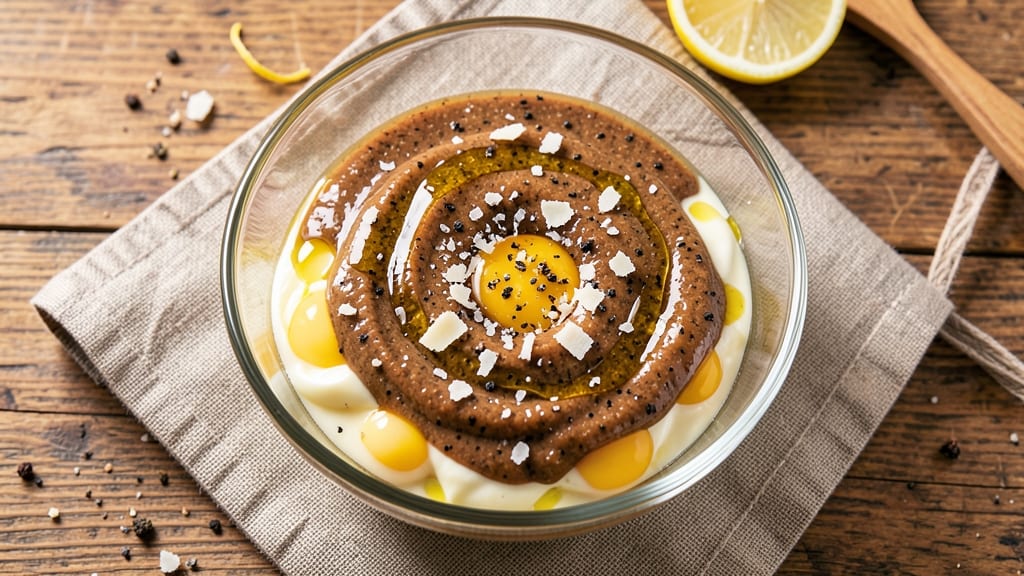
This Carmine's Caesar salad dressing recipe delivers restaurant-quality depth with a bold garlic-anchovy base that stays creamy without relying on mayo. The secret lies in a precise emulsion technique using egg yolks and Parmesan, creating a dressing with tangy brightness and savory complexity that clings perfectly to romaine.
I developed this version after years of testing—it's the one that finally convinced even Caesar-salad skeptics to take a second bite.
The foundation begins with finely minced garlic and anchovies, simmered in lemon juice until they dissolve into a rich, umami-packed base. Adding warm water and Dijon mustard creates a stable emulsion when combined with beaten egg yolks, while freshly grated Parmesan adds nutty depth and helps thicken the dressing naturally.
This method ensures a velvety texture that won't separate, even after sitting for hours.
What sets this dressing apart is its balance—bright from the lemon, rich from the anchovies, and creamy without being heavy. The result is a sauce that transforms simple greens into a gourmet experience, with just the right amount of tang to cut through crispy croutons and grilled chicken.
Unlike many Caesar dressings, this version maintains its texture even after refrigeration, making it ideal for meal prep.
Store any leftovers in an airtight container for up to 5 days, though I rarely have any remaining—this dressing disappears faster than you can say "garlic anchovy."
Perfect for salads, dipping bread, or even as a marinade for chicken. Let's make dressing that stands up to the salad, not the other way around.
Ingredients for carmines caesar salad dressing
Nine essential ingredients transform simple romaine into a restaurant-worthy Caesar experience.
| Ingredient | Amount | Notes |
|---|---|---|
| Anchovy Fillets 🐟 | 6 whole | Packed in oil, finely minced |
| Garlic Cloves 🧄 | 4 cloves | Finely minced, fresh preferred |
| Lemon Juice 🍋 | ½ cup | Freshly squeezed, strained |
| Dijon Mustard 🌶️ | 1 tbsp | High-quality, smooth variety |
| Large Egg Yolks 🥚 | 3 whole | Fresh, room temperature |
| Parmesan Cheese 🧀 | 1 cup | Freshly grated, aged preferred |
| Warm Water 💧 | ½ cup | Not boiling, 160°F |
| Extra-Virgin Olive Oil 🫒 | ½ cup | High-quality, fruity |
| Salt 🧂 | ½ tsp | Diamond Crystal kosher |
| Black Pepper 🌶️ | ¼ tsp | Freshly ground, coarse |
The anchovies and garlic are non-negotiable—they build the umami foundation. High-quality anchovies packed in oil (like Carmelina) dissolve perfectly, while fresh garlic from the market has more punch than jarred. The lemon juice should be freshly squeezed—bottled just won't cut it. For the Parmesan, grate it yourself from a wedge; pre-grated contains anti-caking agents that ruin the texture. The egg yolks need to be fresh and room temperature—they're the secret to the emulsion. I always buy extra yolks for this recipe since they're the heart of the dressing.
No anchovies? High-quality fish sauce at half the amount works in a pinch, but the flavor won't be identical. Short on garlic? Garlic powder at one-third the amount gets you close, but fresh is ideal. The Dijon mustard can be swapped for whole-grain mustard, though it'll be slightly less smooth. For a vegan version, replace the yolks with 1/4 cup aquafaba (chickpea brine) and use nutritional yeast instead of Parmesan. The olive oil matters—avoid cheap brands that taste like soap. And if you're worried about the emulsion breaking, add the warm water slowly while whisking constantly.
This dressing stays fresh for 5 days in the fridge, though I rarely have leftovers. Store it in an airtight container with a thin layer of olive oil on top to preserve freshness. For meal prep, I make double batches—it's perfect on salads, as a dip for bread, or even as a marinade for grilled chicken. The texture actually improves after sitting for an hour, so let it rest before serving. And if it thickens too much, just whisk in a splash of warm water to loosen it up.
Why You'll Love This Recipe
- Five-Ingredient Magic: I swear by this—just mash yolks, whisk in anchovies and lemon, then fold. No measuring cups, no fuss, and honestly? It’s the only Caesar dressing I’ll ever make again.
- Umami Bomb: That first bite of garlic-and-anchovy richness? It’s like a flavor grenade. The Dijon mustard cuts through the richness, but the yolks keep it silky—no chalky aftertaste here.
- Weeknight Hero: Dress a salad for dinner, then use the leftovers to drizzle on grilled chicken or roasted potatoes. I’ve even tossed it into pasta—yes, even on a Tuesday night.
- Budget Powerhouse: Anchovies and yolks stretch this recipe further than store-bought. A jar of fillets lasts me months, and I never overpay for dressing again. Practical? Absolutely. Delicious? Ridiculously.
Step-by-step instructions for carmine's Caesar salad dressing
This method delivers a rich, emulsified dressing with authentic depth and proper texture.
Prepare the Garlic-Anchovy Base
In a small bowl, combine the 6 whole anchovy fillets and 4 cloves garlic cloves, both finely minced. Add the 0.5 cup lemon juice and 1 tbsp Dijon mustard, then mix thoroughly with a fork until you achieve a smooth, paste-like consistency. This base forms the flavor foundation of the dressing, so don't rush the mixing—you want the anchovies and garlic to fully integrate with the acidity of the lemon.
I like to let this mixture sit for 5 minutes while I prepare the next components. The anchovies will begin to soften slightly, which helps them dissolve more completely when we incorporate the egg yolks later. This step is where the dressing gets its signature umami punch, so take your time to ensure everything is well combined.
Create the Emulsion with Egg Yolks and Cheese
In a separate heatproof bowl, whisk together the 3 whole large egg yolks and 1 cup freshly grated Parmesan cheese until smooth and fully combined. Place this bowl over a saucepan of simmering water (not boiling) and gently whisk the mixture for 2-3 minutes until it reaches 140°F. You're looking for a slightly thickened, custard-like texture—this ensures the yolks will properly emulsify with the oil later.
While the egg mixture is warming, carefully pour in the 0.5 cup warm water (about 160°F) and whisk continuously. The water should help create a smooth, pourable consistency that will later incorporate the oil. I've found that using warm water rather than cold prevents the dressing from separating when we add the olive oil in the next step.
Gradually Incorporate the Olive Oil
Remove the egg mixture from the heat and let it cool slightly for 1 minute. Then, very slowly drizzle in the 0.5 cup extra-virgin olive oil while whisking continuously. This is the most critical step—adding the oil too quickly will cause the dressing to break. Whisk vigorously for 3-4 minutes until the mixture becomes thick and creamy, with a smooth, mayonnaise-like consistency.
If the dressing starts to separate, don't panic. Simply add 1-2 teaspoons of warm water and whisk vigorously to re-emulsify. The goal is to create a stable emulsion where the oil and water phases are perfectly balanced. This technique ensures your dressing will cling beautifully to romaine leaves without becoming cloying or overly rich.
Season and Adjust Consistency
Add the prepared garlic-anchovy mixture to the egg-oil emulsion and whisk until fully incorporated. Stir in the 0.5 tsp salt and 0.25 tsp black pepper, tasting as you go. At this point, you may need to adjust the consistency—if it's too thick, add 1-2 teaspoons of warm water; if too thin, whisk in another 1 teaspoon of olive oil until you reach the perfect balance for tossing.
The dressing should be thick enough to coat the back of a spoon but still pourable enough to dress a full head of romaine. For best results, let it sit at room temperature for 10 minutes before using. This resting period allows all the flavors to meld together, resulting in a dressing that's rich, tangy, and perfectly balanced with that signature garlic-anchovy depth.
Pro Tips For Making Carmines Caesar Salad Dressing
- Mash, Don’t Mince Anchovies: Use the flat side of your knife to crush the anchovy fillets directly in the bowl—no chopping needed. This keeps the texture smooth and prevents tiny fish bits that ruin the dressing’s silkiness. I learned this the hard way after straining anchovy pulp out of three batches.
- Toast Garlic Lightly First: Warm the garlic in oil over medium-low heat for 30 seconds until fragrant but not browned. Cold garlic can make the dressing bitter, and overcooking turns it acrid. Sounds fussy, but it’s the thing that matters most for that rich, balanced flavor.
- Strain the Dressing: After emulsifying, pour the mixture through a fine-mesh sieve into a clean bowl. The yolks and mustard can leave a gritty texture if not filtered—especially with cheaper Dijon. Yes, it’s an extra step, but your future self will thank you.
- Chill Before Using: Let the dressing sit at room temperature for 10 minutes after making, then refrigerate for at least 30 minutes. The emulsion thickens and mellows, making it creamier when tossed with salad. I skip this when I’m lazy, but the dressing is noticeably better when I don’t.
Creative variations of these flavors
Classic Caesar Upgrade
Elevate your dressing with 1 tbsp Worcestershire sauce for deeper umami complexity—this is my go-to restaurant-style boost. I also add ½ tsp smoked paprika for subtle warmth that pairs beautifully with grilled chicken.
For a smoky twist, swap the black pepper for crushed red pepper flakes—just ¼ tsp adds heat without overpowering the garlic-anchovy base. 🌶️
Herb-Infused Variations
Fresh herbs transform this dressing into gourmet territory. Try blending 1 tbsp finely chopped tarragon or chives into the finished dressing for an elegant touch. For a Mediterranean flair, add ½ tsp dried oregano along with the salt and pepper.
I also love a lemon-thyme version by adding ½ tsp fresh thyme leaves and an extra 1 tbsp lemon zest to the garlic-anchovy base.
Vegan Adaptations
For a plant-based version, replace the egg yolks with ¼ cup aquafaba (chickpea brine) and use ¼ cup nutritional yeast instead of Parmesan. The key to success is whisking the aquafaba vigorously for 3-4 minutes until it forms stiff peaks before slowly drizzling in the olive oil.
I've found that adding 1 tsp white miso paste to the garlic-anchovy base helps replicate the umami depth of anchovies.
Regional Twists
In Italian restaurants, they often add 1 tbsp capers to the garlic-anchovy base for briny contrast. For a French-inspired version, replace the Dijon with 1 tbsp whole-grain mustard and add ½ tsp dried marjoram to the finished dressing.
My favorite regional adaptation is the Caribbean Caesar—add ½ tsp ground allspice and 1 tbsp lime juice instead of lemon, then finish with a pinch of cayenne for heat.
Protein Pairings
This dressing isn't just for salads—it's a game-changer for proteins. Use it as a marinade for grilled chicken or shrimp by thinning it with 2 tbsp olive oil and letting it sit for 30 minutes before cooking.
For seared scallops, toss them in the dressing after cooking and serve immediately. I also love using it as a dip for garlic bread or as a sauce for baked potatoes—just mix in 2 tbsp sour cream to lighten the texture.
Seasonal Adjustments
Summer calls for brightness—add 1 tbsp honey to the garlic-anchovy base for a sweet-tangy balance. In fall, I boost the depth with ½ tsp ground nutmeg and 1 tsp maple syrup.
For winter, a spiced version with ¼ tsp cinnamon and 1 tsp apple cider vinegar replaces the lemon juice, creating a rich, almost dessert-like dressing that pairs perfectly with roasted Brussels sprouts. 🍂
Nutrition facts
Frequently asked questions
Why does this Caesar dressing stay creamy without mayo?
The secret lies in the egg yolk emulsion combined with warm water and gradual oil incorporation. The yolks act as natural emulsifiers, binding oil and water molecules to create a stable, velvety texture. Unlike mayo-based dressings, this method delivers authentic depth from anchovies and garlic while staying light enough to cling beautifully to romaine.
Can I make this dressing ahead of time?
This dressing actually improves overnight—flavors meld more deeply when stored in an airtight container in the fridge. Give it a whisk before serving to restore its creamy consistency. For best results, let it sit at room temperature for 10 minutes before tossing with salad to prevent chilling the dressing.
What if my dressing separates?
Don't panic! Simply add 1-2 teaspoons of warm water and whisk vigorously for 1-2 minutes until smooth. The emulsion can break if added to cold ingredients or whisked too quickly. For prevention, always use room-temperature yolks and add oil very slowly while whisking continuously.
How can I make this dressing spicier?
For heat lovers, swap the black pepper for crushed red pepper flakes (¼ tsp) or add ½ tsp cayenne to the finished dressing. For smoky depth, try ½ tsp smoked paprika instead of regular pepper. Always taste first—these dressings intensify after resting!
What's the best way to use leftover dressing?
This versatile dressing works beyond salads! Use it as a marinade for grilled chicken (thin with 2 tbsp olive oil), a dip for garlic bread, or a sauce for baked potatoes (mix with 2 tbsp sour cream). For extra flavor, add 1 tbsp Worcestershire sauce to the leftover dressing before using.