
Salads
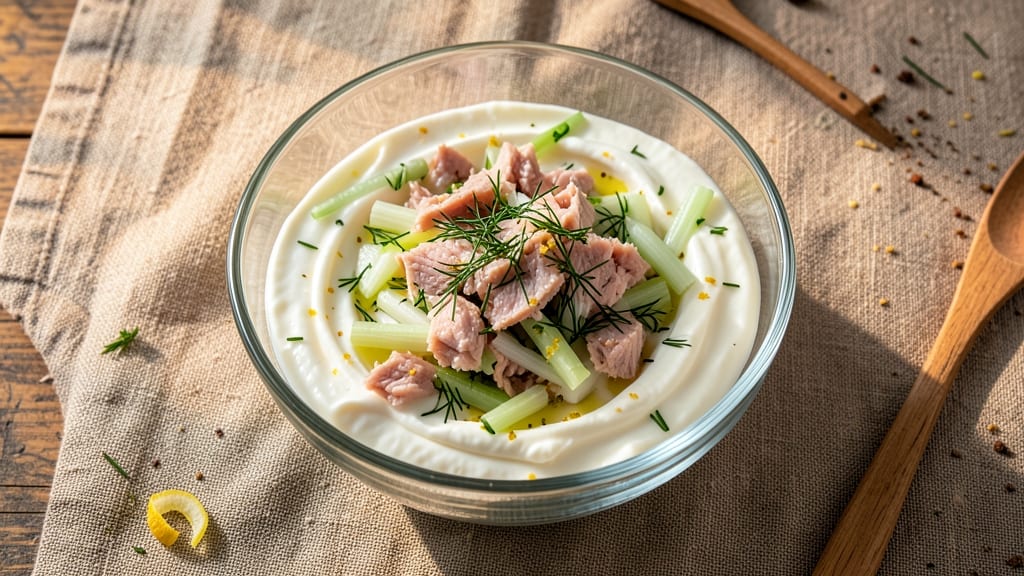
Alison Roman’s tuna salad recipe redefines the classic with a creamy herb cheese base that stays light and never clings. This isn’t your grandmother’s mayo-heavy version—it’s a modern twist that balances rich flavors with fresh textures, perfect for lunchboxes or elegant gatherings.
The secret lies in a blend of cream cheese and Greek yogurt, which creates a velvety yet tangy foundation without overpowering the bright herbs and citrus.
What sets this recipe apart is the textural contrast: flaky canned tuna, crisp celery, and zesty lemon juice cut through the richness, while fresh dill and chives add an aromatic freshness. Roman’s method ensures the salad stays firm yet creamy, holding its shape when packed or served.
It’s a game-changer for anyone who’s tired of soggy, heavy tuna salads that lose their appeal after an hour.
The result is a dish that’s restaurant-quality at home—elegant enough for a charcuterie board but simple enough for a quick weeknight meal. The herb cheese base adds depth without heaviness, while the acidity from lemon and pickles keeps every bite bright.
This version works perfectly for sandwiches, wraps, or as a standalone salad with crackers.
Best of all, it’s pescatarian-friendly and ready in under 15 minutes. The key is proper ingredient ratios and a quick chill in the fridge to let flavors meld. Let’s make this the go-to tuna salad for your kitchen.
Ingredients for alison roman tuna salad
This tuna salad redefines creaminess with a velvety herb cheese base that stays light and never clings.
| Ingredient | Amount | Notes |
|---|---|---|
| Cream Cheese 🧀 | 4 oz | Full-fat for best creaminess |
| Plain Greek Yogurt 🥛 | ½ cup | Nonfat or full-fat preferred |
| Fresh Dill 🌿 | ¼ cup | Chopped finely, stems removed |
| Fresh Chives 🌱 | ¼ cup | Chopped finely, mild flavor |
| Canned Tuna in Water 🐟 | 2 cans | 5 oz each, flaked by fork |
| Celery Stalks 🧅 | 2 whole | Finely diced, crisp texture |
| Red Onion 🧅 | ¼ cup | Finely diced, adds brightness |
| Lemon Juice 🍋 | 2 tbsp | Freshly squeezed, zesty kick |
| Dijon Mustard 🌶️ | 1 tbsp | Mild or hot variety |
| Extra-Virgin Olive Oil 🫒 | 1 tbsp | For richness and moisture |
| Pickle Relish 🥒 | 1 tbsp | Sweet or dill variety |
| Salt 🧂 | ½ tsp | Kosher or sea salt |
| Black Pepper 🌶️ | ¼ tsp | Freshly ground preferred |
| Capers 🍅 | 1 tbsp | Chopped, optional for briny depth |
The cream cheese and Greek yogurt blend is the foundation—full-fat versions create the perfect balance of richness and tang. Trader Joe's and Whole Foods carry excellent options, but any good-quality brand works. Look for bright, fresh dill and chives—they should smell vibrant, not wilted. The canned tuna matters too: Wild Planet or Vital Choice brands offer the best texture, but any high-quality canned tuna in water will do. For the celery, grab the crispest stalks from the produce section—avoid the rubbery ones that sit too long in the fridge.
No Greek yogurt? Plain vegan yogurt or sour cream works in a pinch, though texture differs slightly. Fresh dill and chives wilt fast, so use them within 3-4 days of purchase. The Dijon mustard adds depth—substitute with whole-grain mustard if needed. For extra tang, add an extra tablespoon of lemon juice, but don't skip it entirely; the acidity is key to keeping the salad bright. The capers are optional but add a briny complexity that elevates the dish. If you're serving this to kids, omit them entirely—they're an acquired taste.
This salad tastes even better after 30-60 minutes in the fridge, so prep it ahead. Store in an airtight container with parchment paper between layers to prevent sogginess. It keeps for 3-4 days in the fridge, though the texture may soften slightly after day two. For packing lunches, portion into small containers with a sprinkle of extra chives on top—keeps it looking fresh. Freezing isn't recommended, as the texture changes dramatically, but you can freeze the herb cheese base separately for up to 1 month.
Why You'll Love This Recipe
- No-Fuss Mix-In: The Greek yogurt and cream cheese combo is my secret weapon—just stir, no cooking, no fuss. Honestly, I’ve made tuna salad before where I had to drain oil or chop herbs for 10 minutes; this one’s actually a 5-minute job with ingredients I always have on hand.
- Herb-Packed Punch: That fresh dill and chives? They turn this from basic tuna salad to something bright and tangy. Between us, the yogurt keeps it light while the cream cheese adds richness—like a fancy charcuterie board in spoonful form.
- Lunchbox Legend: I pack this in mason jars for work all week—no soggy bread, no sad leftovers. The tuna stays flaky, the herbs stay crisp, and it’s the only salad I don’t dread eating by Wednesday.
- Budget Meal Maker: Canned tuna and a block of cream cheese stretch this into three meals for pennies. I’ll be real: my grocery bill dropped when I swapped pricey pre-made salads for this. Plus, it’s the only “fancy” dish I make that still feels like a splurge.
Step-by-step instructions for Alison Roman's herb cheese tuna salad
This creamy, herb-forward tuna salad delivers restaurant-quality texture without mayo cling.
Whip the Cream Cheese and Yogurt Base
In a medium bowl, combine the 4 oz cream cheese and 0.5 cup plain Greek yogurt. Using a hand mixer or whisk, beat on medium speed for 2-3 minutes until completely smooth and lightened in color. You're looking for a thick, ribbon-like consistency that holds its shape when the whisk is lifted—this ensures your salad won't be greasy or clingy.
Here's the thing—don't rush this step. The cream cheese needs to fully emulsify with the yogurt to create that signature Alison Roman texture. If you see any lumps remaining after 3 minutes, continue mixing for another 30 seconds. The base should be cool but not cold, making it easier to incorporate the remaining ingredients without breaking down the structure.
Fold in Fresh Herbs and Aromatics
Add the 0.25 cup finely chopped fresh dill, 0.25 cup finely chopped fresh chives, 0.25 cup finely diced red onion, and 1 tbsp chopped capers to the cream cheese mixture. Gently fold these in using a silicone spatula, mixing just until evenly distributed. You want to preserve the herbs' bright color and texture, so avoid overmixing which can bruise the delicate leaves.
Next, incorporate the 2 whole celery stalks (finely diced) and 1 tbsp Dijon mustard. The celery adds a satisfying crunch while the mustard provides depth without overpowering. Mix gently—just until combined—so the celery maintains its crisp texture. This is where the salad starts to come together visually, with vibrant green and purple flecks throughout the creamy base.
Add Wet Ingredients for Balance
In a separate small bowl, whisk together the 2 tbsp freshly squeezed lemon juice, 1 tbsp extra-virgin olive oil, 1 tbsp pickle relish, 0.5 tsp salt, and 0.25 tsp freshly ground black pepper. The lemon juice brightens the flavors while the olive oil adds richness. This mixture should be well combined but still slightly thick—it will help bind everything together without making the salad watery.
Gradually pour this wet mixture into the herb-cheese base while folding gently with the spatula. The goal is to distribute it evenly without overmixing. You'll notice the salad lighten in color slightly as the lemon juice and olive oil integrate. Taste at this stage—you should detect the herbs, lemon, and a subtle tang from the mustard and pickle relish. Adjust seasoning if needed, adding a pinch more salt or pepper if the flavors feel muted.
Incorporate the Tuna and Final Adjustments
Open the 2 cans of tuna in water and drain them thoroughly, pressing gently on the tuna to remove excess liquid. Using a fork, flake the tuna into small, evenly sized pieces—this ensures each bite has consistent texture. Add the tuna to the salad mixture and fold it in just until combined. Be careful not to overmix, as this can break down the tuna's texture and make the salad mushy.
Give the salad one final taste and make any last-minute adjustments. If it tastes too thick, add 1-2 teaspoons of water or more lemon juice to loosen it slightly. If it needs more brightness, add another ½ teaspoon of lemon juice. The salad should be creamy but not heavy, with a perfect balance of herby, tangy, and briny flavors. Transfer to an airtight container and refrigerate for at least 30 minutes before serving to let the flavors meld.
Serve and Enjoy
Before serving, give the salad one final gentle stir to redistribute any settled ingredients. The texture should be light yet substantial, with each bite delivering creamy richness from the cheese-yogurt base, bright herbs, and flaky tuna. Serve on crusty bread for sandwiches, with crackers for dipping, or alongside grilled vegetables for a complete meal.
This version stays true to Alison Roman's approach by using cream cheese and yogurt instead of mayo, resulting in a salad that's creamy without being greasy. The herbs and lemon keep it fresh, while the capers and pickle relish add layers of flavor that make it far more interesting than classic tuna salad. The key is in the technique—gentle folding preserves texture, and proper seasoning balances all the components.
Pro Tips For Making Alison Roman Tuna Salad
- DRAIN AND PAT DRY: The tuna’s water is the real villain—skip pouring it off and you’re left with a sad, watery mess. After draining, grab a paper towel and press the tuna in the can with your palm to soak up every last drop. (Yes, it’s gross, but your salad will thank you.)
- SOFTEN CREAM CHEESE FIRST: Room-temperature cream cheese blends smoother and doesn’t turn the mixture grainy. Microwave it for 10 seconds or let it sit out for 5 minutes while you prep the rest—just don’t overdo it or it’ll get stringy.
- CHOP HERBS FINE AND TOAST: Fresh dill and chives lose their punch if they’re too chunky. Pulse them in a food processor for 2 seconds, then toss the chopped herbs in a dry pan for 10 seconds until fragrant. (Sounds weird, but it makes the flavor pop.)
- MIX IN TWO STAGES: Adding all the tuna at once can make the salad too dense. Start with half the tuna, mix well, then fold in the rest—this keeps the texture light and creamy, not compacted. (I used to dump it all in and wondered why it tasted like tuna patties.)
Troubleshooting this recipe
Too Thick or Greasy
If your tuna salad turns out too thick or greasy, the cream cheese base likely didn’t emulsify properly. Beat the 4 oz cream cheese and 0.5 cup Greek yogurt for an extra 30-60 seconds until completely smooth—this ensures a light, ribbon-like texture.
For greasiness, add 1-2 teaspoons of lemon juice or 1 teaspoon of water to loosen the mixture. 💡
Herbs Look Wilting
Fresh herbs like dill and chives can wilt if overmixed or if the base is too warm. Fold them in gently at the end, and use chilled ingredients (like straight-from-the-fridge cream cheese) to keep them vibrant.
If herbs still look sad, add 1 extra tablespoon of lemon juice to brighten their color and crispness.
Salad Separates
Separation happens when the base isn’t properly emulsified or if the tuna releases too much liquid. Drain the tuna thoroughly and press it gently with a paper towel to remove excess moisture.
For extra insurance, whisk the wet ingredients (lemon juice, olive oil, etc.) into the base first, then fold in the tuna last. A quick 30-second mix with a fork can also help reintegrate any separated layers.
Tuna Too Dry
If the tuna tastes dry or crumbly, it likely lost moisture during draining. Flake the tuna just before adding it to the salad, and reserve 1 tablespoon of the tuna’s juice (from the can) to mix into the base.
This adds back moisture without making the salad watery. For extra richness, stir in ½ teaspoon of Dijon mustard to help bind the tuna more smoothly.
Flavor Too Mild
A bland salad usually means underseasoning or weak herbs. Boost brightness with an extra ½ teaspoon of lemon juice or ¼ teaspoon of salt. For depth, add ½ teaspoon of capers or a pinch of smoked paprika.
If the herbs taste dull, swap in freshly chopped parsley or a dash of Worcestershire sauce for umami. Taste as you go—adjust gradually!
Texture Too Soggy
Sogginess happens when ingredients release too much liquid. Avoid over-draining the tuna, and pat the celery dry with a paper towel before dicing. For packed lunches, store the salad in a single layer with parchment paper between layers in an airtight container.
If already soggy, stir in 1 extra tablespoon of Greek yogurt to absorb excess moisture and restore creaminess.
Nutrition facts
Frequently asked questions
Why does this recipe use cream cheese instead of mayo?
Alison Roman's version skips mayo for a lighter, less greasy texture that still delivers creaminess. The blend of cream cheese and Greek yogurt creates a velvety base that stays firm in sandwiches or wraps without clinging. Plus, it adds subtle tang that brightens the dish—perfect for balancing the rich tuna and herbs!
Can I make this ahead of time?
This salad tastes even better after 30-60 minutes in the fridge. Store in an airtight container with parchment between layers to prevent sogginess. It keeps well for 3-4 days, though texture softens slightly after day two. For packed lunches, portion into small containers with extra chives on top to keep it looking fresh.
What's the best way to serve this?
This versatile salad works perfectly on crusty bread for sandwiches, with water crackers for dipping, or as a standalone salad with grilled veggies. For extra flair, top with toasted sesame seeds or a sprinkle of fresh parsley. It's also great in lettuce wraps or as a filling for smoked salmon bagels.
How do I keep the herbs from getting soggy?
Fresh herbs wilt when overmixed or exposed to moisture. Fold them in gently at the end and use chilled ingredients (like straight-from-the-fridge cream cheese). For packed lunches, store in a single layer with parchment paper between layers in an airtight container. If herbs look sad, add 1 extra tablespoon of lemon juice to brighten them.
Can I substitute any ingredients?
Yes! For dairy-free, use vegan cream cheese and coconut yogurt. No Greek yogurt? Try plain vegan yogurt or sour cream. Skip capers if you dislike briny flavors, but they add great depth. For extra crunch, add diced apple or jicama. Just keep the lemon juice and herbs—they're key to the bright flavor profile.