
Sauces & Condiments
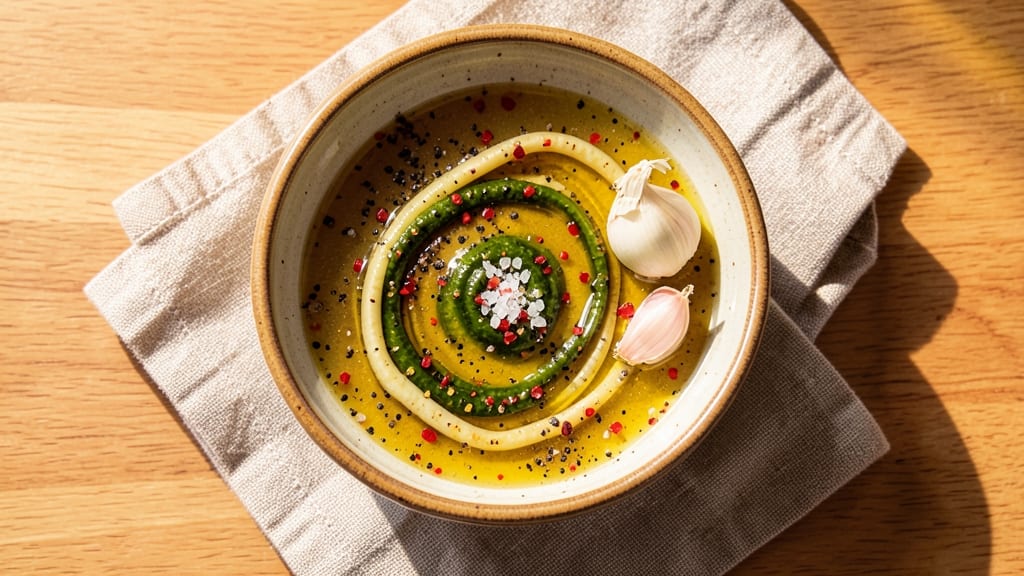
A recipe for salad dressing calls for 3 tablespoons of something special—this time, it's a perfect balance of acidity, richness, and freshness in every pour.
The secret lies in the ratio: 3 tablespoons of olive oil to 1 tablespoon of lemon juice, with just a pinch of Dijon mustard to create that signature emulsified texture. This isn't just dressing; it's the foundation that transforms simple greens into a vibrant, restaurant-worthy dish.
The magic happens when you whisk these ingredients together until they form a silky, clingy emulsion—no blender required. A sprinkle of sea salt and freshly cracked black pepper elevates the flavors, while optional additions like minced garlic, honey, or fresh herbs allow you to customize it for any salad.
Whether you're drizzling it over a crisp arugula salad or tossing it with hearty greens, this dressing delivers bold, balanced flavor that stays true to its simple roots.
What makes this dressing truly stand out is its versatility. Use it as a base for Caesar, a zesty vinaigrette, or a creamy herb dressing—just adjust the ratios to suit your taste. The key is patience; let it sit for 10 minutes before using to allow the flavors to meld.
Store it in the fridge for up to a week, shaking gently before each use to maintain that perfect emulsification.
This isn't just another salad dressing—it's a game-changer that turns ordinary meals into something extraordinary. With just a few simple ingredients and a little technique, you'll have a dressing that's as impressive as it is delicious. Let's get started!
Ingredients for a recipe for salad dressing calls for 3 tablespoons
Six core ingredients transform simple greens into restaurant-quality salads.
| Ingredient | Amount | Notes |
|---|---|---|
| Extra-Virgin Olive Oil 🫒 | 3 tbsp | High-quality, fruity variety preferred |
| Fresh Lemon Juice 🍋 | 1 tbsp | Freshly squeezed for bright acidity |
| Dijon Mustard 🌶️ | ½ tsp | For emulsification and depth |
| Sea Salt 🧂 | ¼ tsp | Fine grain preferred for balance |
| Freshly Cracked Black Pepper 🌶️ | ⅛ tsp | Freshly ground for maximum aroma |
| Garlic Cloves 🧄 | 1 clove | Minced for subtle garlic flavor |
| Honey 🍯 | ½ tsp | Optional for sweetness balance |
| Fresh Herbs 🌿 | 1 tbsp | Chopped basil or parsley optional |
The olive oil is non-negotiable—look for extra-virgin with a vibrant green hue and fruity aroma. Trader Joe's and Whole Foods carry excellent options, but any reputable brand with a harvest date stamp works. Fresh lemon juice is a game-changer; bottled won't cut it here. The Dijon mustard needs to be authentic—Amoy or Maille are top-tier choices. For the garlic, freshly minced (not jarred) prevents bitterness. Herbs? Fresh basil or parsley are ideal, but dried works at one-third the amount if you're in a pinch.
No Dijon? Whole-grain mustard thinned with water works in a bind. Swap honey for maple syrup or agave if you prefer. The herbs can be cilantro or dill—just adjust the amount to taste. For a richer dressing, add 1/2 tsp of minced shallot. Want tangier? Substitute lime juice for the lemon. The key is balance—start with the base ratio, then tweak as you go. This dressing is your canvas, so play with it!
Store in a clean glass jar with a tight seal in the fridge for up to 1 week. Shake gently before each use to maintain that perfect emulsification. For longer storage, divide into ice cube trays, freeze, then transfer to a bag—perfect for single-serving portions. The flavors actually improve after 10 minutes of resting, so let it sit before using. Trust me, patience pays off here.
Why You'll Love This Recipe
- Three-Ingredient Magic: I swear by this combo—just oil, lemon, and mustard. No measuring cups, no fuss, no stress. Honestly, I’ve made it in my kitchen while talking to my neighbor through the screen door.
- Bright and Tangy: That lemon juice cuts through everything like a fresh breeze. The Dijon mustard adds just enough bite to wake up even the simplest greens—no overpowering, just a clean, bright punch that makes salads feel special.
- Pantry Staple Power: Between us, I’ve used this dressing on everything from grain bowls to roasted veggies. It’s the one thing I never skip buying when I’m stocking up—because it’s always there when I need it, no extra shopping required.
- Lasts All Week: Make a big batch—it keeps in the fridge for days. I’ll be real: I’ve had this dressing survive until Monday, and it still tastes like it was made yesterday. Plus, it’s cheap enough that a little goes a long way.
Step-by-step instructions for crafting a perfect salad dressing
Here's how to blend these simple ingredients into a dressing that's bold yet balanced.
Emulsify the Base Ingredients
In a small bowl, combine the 3 tablespoons extra-virgin olive oil with the 0.5 teaspoon Dijon mustard. The mustard acts as an emulsifier, helping the oil and liquid ingredients bind together smoothly. Use a whisk or fork to blend these two components until fully incorporated. You'll notice the mixture thickens slightly as the mustard begins to break down the oil's natural resistance to water.
This foundational step creates the dressing's stable base. If you're using a high-quality olive oil with a fruity profile, you'll already detect its rich, peppery notes. The mustard also adds subtle tanginess that will become more apparent as you incorporate the remaining ingredients. Take your time here—rushing this step can lead to separation later.
Incorporate the Acid and Sweetness
Add the 1 tablespoon fresh lemon juice and 0.5 teaspoon honey to the oil-mustard mixture. Stir gently but thoroughly to combine. The lemon juice brightens the dressing with its sharp acidity, cutting through the richness of the olive oil. The honey, though used sparingly, adds a delicate sweetness that rounds out the flavors and prevents the dressing from being too harsh.
Here's where the magic happens: the acidity from the lemon juice begins to react with the mustard's emulsifying properties. You should see the mixture start to thicken slightly as the ingredients begin to meld. If you're using freshly squeezed lemon juice, you'll notice tiny bubbles forming—this is a good sign that the dressing is coming together properly. Taste at this stage to gauge the balance between sweet and tart.
Build Depth with Aromatics
Finely mince the 1 clove garlic and add it to the mixture along with the 1 tablespoon fresh herbs. The garlic should be minced to a paste-like consistency for even distribution. Stir well to incorporate these aromatic elements. Here's the thing—the garlic and herbs will infuse the dressing with layers of flavor that elevate it from simple to sophisticated. I like to use basil or parsley for their bright, fresh notes, but other herbs like dill or chives work beautifully too.
The garlic adds a subtle, savory depth that complements the dressing's other components. The fresh herbs contribute a final layer of complexity—whether it's the slightly peppery notes of parsley or the sweet, anise-like quality of basil. At this point, the dressing should have a vibrant color and a complex aroma that hints at its full flavor profile. Give it another quick stir to ensure everything is evenly distributed.
Season to Perfection
Add the 0.25 teaspoon sea salt and 0.125 teaspoon freshly cracked black pepper to the dressing. The salt enhances all the flavors, drawing them together while balancing the acidity. The freshly cracked black pepper adds a subtle heat that prevents the dressing from tasting flat. Stir thoroughly to distribute these seasonings evenly throughout the mixture.
This is the moment that matters: the final seasoning. Taste the dressing now—it should be bright, balanced, and complex. If it needs more acidity, add a tiny splash of lemon juice. If it's too sharp, a touch more honey can help. The dressing should coat the back of your spoon with a silky texture, indicating proper emulsification. Remember, the flavors will mellow slightly after resting, so don't hesitate to adjust now.
Rest and Adjust
Let the dressing rest for 5-10 minutes at room temperature. This resting period allows the flavors to fully meld and the dressing to reach its optimal consistency. During this time, the ingredients will marry together, creating a cohesive flavor profile that's greater than the sum of its parts.
After resting, give the dressing one final taste. If it's separated slightly, simply whisk vigorously to re-emulsify. The texture should be smooth and velvety, clinging beautifully to salad greens. If you find it needs thinning, add a teaspoon of water or a splash of additional lemon juice. Conversely, if it's too thin, a tiny bit more olive oil can help thicken it to your desired consistency. Now it's ready to elevate any salad from ordinary to extraordinary.
Pro Tips For Making A Recipe For Salad Dressing Calls For 3 Tablespoons
- STIR LIKE YOU MEAN IT: Mix the dressing in a small bowl with a fork or whisk—don’t just give it a half-hearted swirl. The mustard needs to fully emulsify with the oil, or you’ll end up with a sad, oily mess instead of a smooth, clingy dressing. I learned this the hard way after making a batch that separated like oil and vinegar in a high school science project.
- USE COLD MUSTARD: Scoop the Dijon straight from the fridge—warm mustard turns into a paste that fights with the oil instead of blending. Cold mustard emulsifies cleaner and keeps the dressing from breaking. (Yes, even if you’re impatient like me.)
- SALT THE OIL FIRST: Add the salt to the olive oil before mixing in the lemon juice. This dissolves the salt into the oil, so every drop of dressing carries flavor instead of just the surface. I skipped this once and thought my dressing was bland—turns out, the salt was just sitting at the bottom of the jar.
- LEMON JUICE SHOULD BE ROOM TEMP: Cold lemon juice tightens the oil, making the dressing clump or curdle. Let the juice sit out for 10 minutes before using—it’s worth the wait. (Your future self will notice the difference, especially if you’re drizzling it over warm greens.)
Creative variations of this a recipe for salad dressing calls for 3 tablespoons
Citrus Twist
Swap the lemon juice for 1 tablespoon orange juice or ½ tablespoon each of lemon and lime juice for a tropical vibe. The orange adds a subtle sweetness that pairs beautifully with 1 teaspoon honey> or agave.
For extra zing, add ¼ teaspoon grated orange zest—it brightens the dressing instantly. This variation works perfectly with greens like spinach or kale, or drizzled over grilled chicken salads. 🍊
Herb-Infused Variations
Transform your dressing into a herb powerhouse by infusing the olive oil first. Heat 2 tablespoons olive oil with 1 tablespoon chopped fresh herbs (like tarragon, thyme, or rosemary) in a small saucepan over low heat for 2 minutes.
Let it cool, then proceed with the recipe. For a garlic-herb version, add 2 minced garlic cloves> to the infused oil. This works amazingly with roasted vegetable salads or grain bowls.
Spicy Kick
Add heat with ½ teaspoon hot sauce (like Cholula or Tabasco) or ¼ teaspoon cayenne pepper for a slow burn. For smoky depth, stir in ½ teaspoon smoked paprika. This spicy dressing pairs well with avocado slices, grilled shrimp, or hearty greens like arugula.
If you love it fiery, add 1 teaspoon finely chopped jalapeño for extra punch. 🌶️
Creamy Upgrade
Turn your dressing into a creamy masterpiece by replacing 1 tablespoon olive oil with 1 tablespoon Greek yogurt> or sour cream. For a tangier twist, use 1 tablespoon buttermilk. This works beautifully with Caesar-style salads or as a dip for crudités.
To keep it emulsified, whisk vigorously after adding the yogurt. For extra richness, add 1 tablespoon grated Parmesan cheese at the end.
Sweet and Tangy
Balance sweet and tangy flavors by adding 1 teaspoon balsamic vinegar> or rice vinegar along with the lemon juice. For a dessert-friendly dressing, reduce the honey to ½ teaspoon> and add ½ teaspoon maple syrup.
This variation shines with fruit salads (like berries or peaches) or as a drizzle for grilled pineapple. The balsamic adds a subtle depth that rounds out the bright citrus notes beautifully. 🍯
Global Flavors
Give your dressing an international flair with these twists. For a Mediterranean touch, add ½ teaspoon dried oregano> and ¼ teaspoon red pepper flakes.
For an Asian-inspired version, swap the honey for 1 teaspoon soy sauce> or sesame oil, and add ½ teaspoon grated ginger. A Mexican lime crème> version swaps olive oil for avocado oil> and adds ½ teaspoon cumin.
Each variation brings a unique cultural twist to your salads! 🌍
Nutrition facts
Frequently asked questions
Why does this recipe use 3 tablespoons of olive oil?
The 3 tablespoons of olive oil creates the perfect balance between richness and acidity in the dressing. This ratio ensures the oil coats the greens beautifully while the acidity (from lemon) keeps it from being overly heavy. For a lighter option, you can reduce it to 2 tablespoons—just adjust the mustard proportionally to maintain emulsification.
Can I substitute olive oil with another type of oil?
Yes, but choose wisely! Avocado oil or light olive oil work well for a neutral flavor, while walnut oil adds a nutty depth. Avoid heavy oils like coconut oil—they can make the dressing too thick. For a creamy texture, blend in 1 tablespoon Greek yogurt instead of oil. Always use high-quality oils for the best flavor.
My dressing separated—what went wrong?
Separation usually happens when oil and vinegar aren't properly emulsified. Whisk vigorously to re-combine, or add ½ teaspoon Dijon mustard or 1 teaspoon honey to help bind the ingredients. For future batches, whisk for 30 seconds longer or use a blender for a smoother texture. Always let the dressing rest for 5-10 minutes before using—patience prevents separation!
How long will this dressing keep in the fridge?
Store in an airtight container in the fridge for up to 1 week. Shake gently before each use to re-emulsify. For longer storage, freeze in ice cube trays—thaw overnight in the fridge. The flavors actually improve after 10 minutes of resting, so don't rush to use it straight from the fridge.
What's the best way to use up leftover dressing?
Drizzle over grilled chicken, roasted vegetables, or crudités for a quick snack. Use as a marinade (thin with extra oil) or mix into pasta dishes for extra flavor. For a creative twist, blend into smoothies (yes, really!) or use as a dip for fresh bread. The possibilities are endless—don't let it go to waste!